




Keep Reading: APTA Transform Conference & EXPO Exhibitor Spotlight
From the Show Floor: What Happened at APTA TRANSform & EXPO 2026
See the latest product launches, partnerships, technology updates, and transit industry announcements from APTA TRANSform & EXPO in Chicago.
October 5, 2026
See METRO's recent coverage from APTA TRANSform & EXPO 2026 in Chicago, with updates and announcements from across the public transportation industry.
Credit:
METRO
12 min to read
- The APTA TRANSform & EXPO 2026 in Chicago featured the latest product launches in the transit sector.
- New partnerships and collaborations were announced to advance technology in public transportation.
- The event highlighted significant updates and announcements impacting the transit industry.
*Summarized by AI
The public transportation industry gathered in Chicago for APTA TRANSform & EXPO 2026, bringing transit agencies, manufacturers, technology providers, operators, and other industry partners together at McCormick Place.
APTA TRANSform, presented by HNTB, serves as the American Public Transportation Association’s flagship event for public transportation professionals, with educational sessions covering topics ranging from transformative technology and funding to safety and security, workforce development, and major infrastructure projects. The EXPO exhibit hall, meanwhile, gives suppliers and manufacturers an opportunity to showcase new vehicles, products, and technologies.
The 2026 program ran through October 7, with the EXPO floor open October 5-7.
METRO followed the latest announcements from the show floor at APTA TRANSform & EXPO 2026. Explore our roundup of the key news and developments from this year's event.
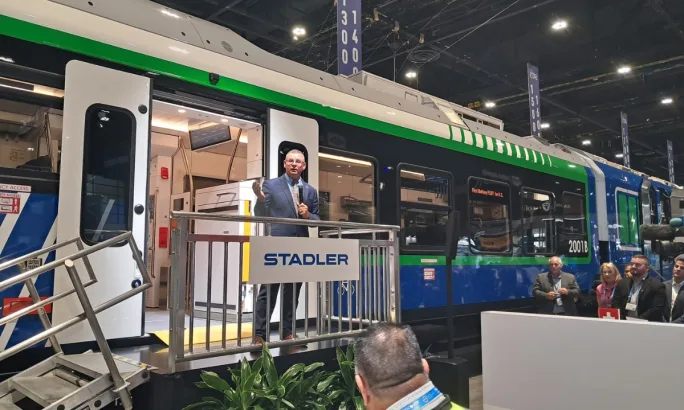
Metra Executive Director/CEO Jim Derwinski speaks alongside the agency’s new battery-electric FLIRT train at APTA EXPO 2026.
Credit:
Alex Roman/METRO
Stadler and Metra Showcase First U.S. Battery-Electric FLIRT Train
Stadler and Metra unveiled the first battery-electric FLIRT train developed for the U.S. market at APTA EXPO 2026, offering attendees a first look at technology intended to bring zero-emission passenger rail service to corridors without full electrification.
Metra has ordered eight battery-electric trainsets, with the new trains expected to enter passenger service by 2028. The vehicles are based on Stadler’s FLIRT platform and use onboard lithium-ion batteries to operate on non-electrified rail corridors while producing zero local emissions.
The trains can recharge using existing 480V cabling in yards and terminals, dedicated charging infrastructure, and regenerative braking. Stadler said the approach could allow agencies to introduce electric rail service without the infrastructure required to fully electrify a corridor.
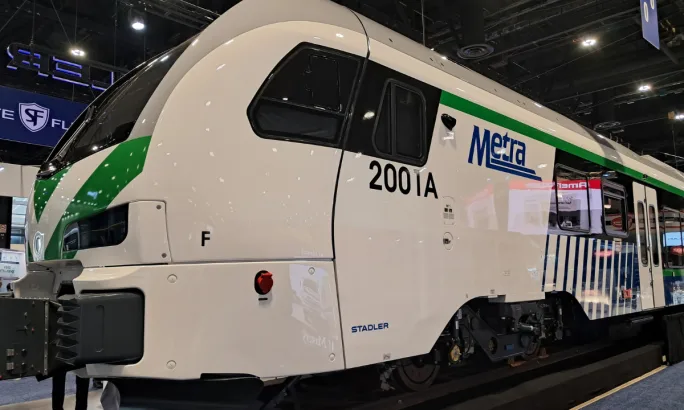
Metra’s first battery-electric FLIRT train, built by Stadler, is on display at APTA EXPO 2026 ahead of its planned entry into passenger service by 2028.
Credit:
Alex Roman/METRO
“This purchase demonstrates Metra’s commitment to cleaner power, to quieter trains, and to thinking outside the box as we plan for our future,” said Metra Executive Director/CEO Jim Derwinski. “We are excited to bring this technology, and its efficiency, flexibility, and reliability, to Chicago and to our riders.”
Stadler already has battery-electric FLIRT trains in passenger service in Germany, where FLIRT Akku trains have operated on partially electrified regional networks since 2023. The company said battery-powered multiple units can also offer operational benefits including faster acceleration, improved energy efficiency, and lower noise levels.
APTA EXPO attendees were able to view Metra’s battery-electric FLIRT and learn about Stadler’s other alternative propulsion technologies, including hydrogen-powered rail solutions.
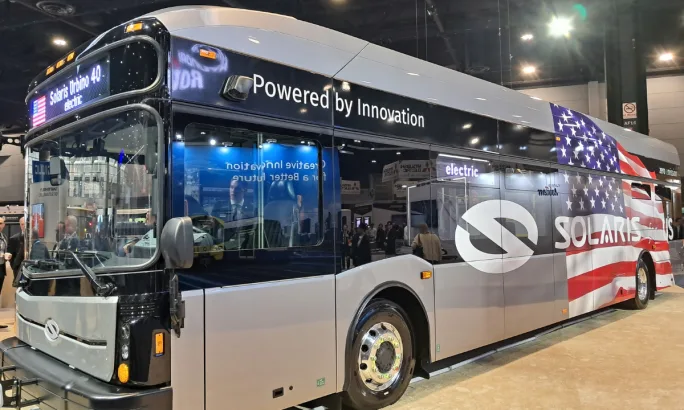
Solaris unveiled the Urbino 40 electric at APTA TRANSform & EXPO 2026, marking the manufacturer’s U.S. debut with a battery-electric bus developed specifically for the North American market.
Credit:
Alex Roman/METRO
Solaris Makes U.S. Debut With Urbino 40 Electric
Solaris made its U.S. market debut at APTA EXPO 2026 with the world premiere of the Urbino 40 electric, a 40-foot battery-electric bus developed specifically for North American transit agencies.
Built on a dedicated electric platform, the Urbino 40 electric uses a roof-mounted battery system designed to support demanding daily operations while simplifying maintenance. The bus also incorporates Solaris-developed battery integration and vehicle monitoring technology, an energy-efficient HVAC system, an integrated Battery Thermal Management System, and advanced driver assistance features.
The vehicle was also designed around operator safety and accessibility. Features include a fully enclosed operator compartment, exterior rear-view cameras, cornering lights, wide passenger aisles, and multifunctional accessible spaces.
The debut comes as Solaris expands its presence in North America. The manufacturer plans to offer both 40-foot and 60-foot zero-emission buses for the U.S. market, with its first U.S. battery-electric bus deliveries going to King County Metro in Seattle and the San Francisco Municipal Transportation Agency. Solaris also supplies trolleybuses to TransLink in Vancouver.
Solaris has delivered 30,000 vehicles worldwide and is part of the CAF Group. The company’s current portfolio centers on battery-electric buses, hydrogen fuel cell buses, and trolleybuses.
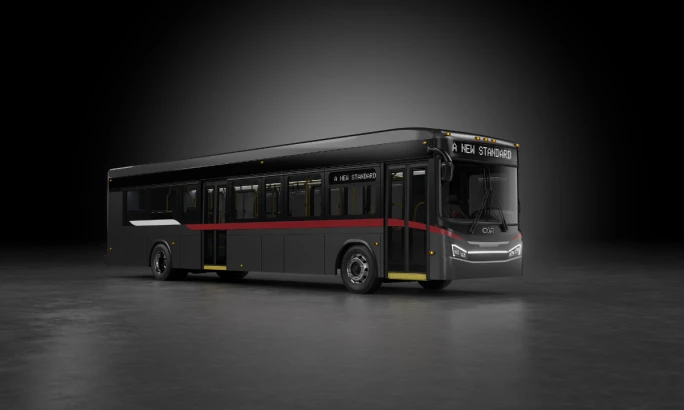
COR Transit’s first planned vehicle is a 40-foot heavy-duty diesel transit bus, with prototype activity targeted for 2027 and initial deliveries planned for 2028.
Credit:
COR Transit Rendering
ABC Companies Launches COR Transit as New Heavy-Duty Bus Manufacturer
ABC Companies announced the launch of COR Transit at this year's expo, establishing a new heavy-duty transit bus manufacturer aimed at bringing additional competition and vehicle options to the North American public transit market.
COR Transit’s first planned vehicle is a 40-foot heavy-duty diesel transit bus designed specifically for the North American market. Development is underway, with prototype activity targeted for 2027 and initial deliveries planned for 2028.
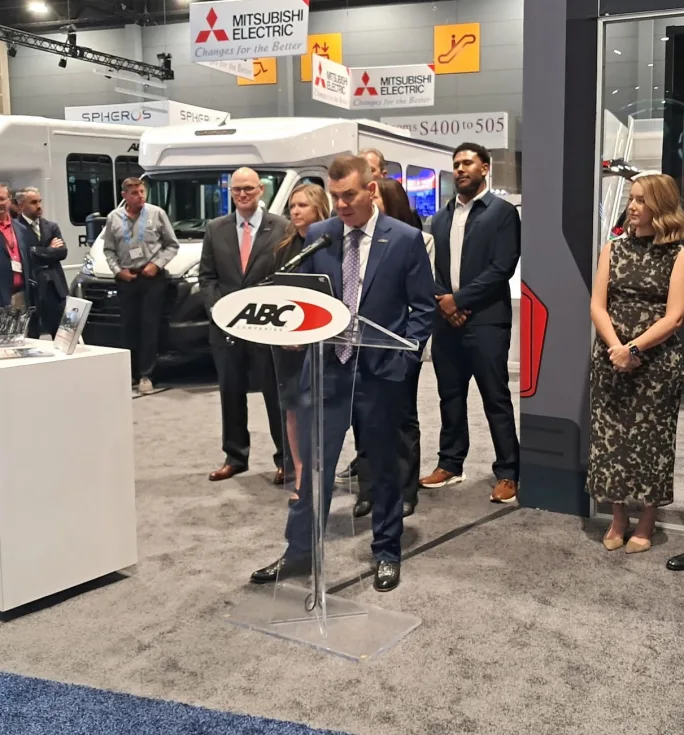
ABC Companies CEO Roman Cornell announces the launch of COR Transit at APTA TRANSform & EXPO 2026 in Chicago.
Credit:
Alex Roman/METRO
ABC said the new venture comes as transit agencies contend with aging fleets, longer vehicle lead times, rising costs, and fewer choices in the heavy-duty bus market. COR Transit will draw on ABC’s more than five decades of experience in vehicle distribution, parts, service, refurbishment, training, and technical support.
“For ABC, this did not start with a desire to become a manufacturer. It started with our customers,” said Roman Cornell, CEO of ABC Companies. “If we know there is a need, and we believe we have the ability to help address it, what are we going to do about it? For us, COR Transit is the answer to that question.”
COR Transit vehicles are planned to be manufactured in the U.S., although a final manufacturing location has not yet been selected. The first vehicle is being developed to meet applicable Buy America requirements and is anticipated to undergo Altoona testing as the program moves toward commercial production.
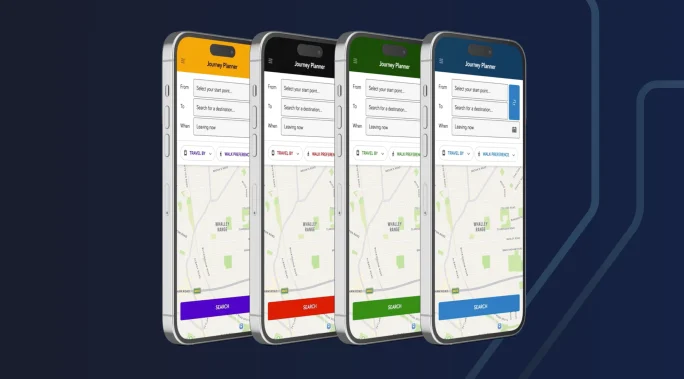
Masabi launched Passenger at APTA TRANSform 2026, giving transit agencies an agency-branded app that combines journey planning, real-time travel information, fare payments, and concessions.
Credit:
Masabi
Masabi Launches All-in-One Passenger App
Masabi launched Passenger at APTA TRANSform 2026, bringing journey planning, fare payments, concessions, and real-time travel information together in a single agency-branded app.
Built on Masabi’s Justride platform, Passenger is designed to give transit agencies a direct digital connection with riders while reducing the need for passengers to move between different apps and channels. Riders can plan routes, find nearby stops, check live departures and service alerts, purchase tickets or passes, and manage their accounts within the same app.
The platform supports mobile ticketing and account-based ticketing, including full and concessionary fare products, Open Payments trip history, and account management. Where enabled by an agency, fare capping can automatically provide riders with the best available fare. Concession eligibility verification can also take place within the app rather than requiring a separate customer service or manual process.
“Transit riders increasingly expect the same simple, connected digital experience they receive in every other part of their lives,” said Brian Zanghi, CEO of Masabi. “With Passenger, agencies can bring the entire journey together in an app carrying their own brand, creating a simpler experience for riders while gaining a much clearer understanding of how people want to move across their network.”
Masabi said Passenger already serves more than 2 million riders per month in the U.K. Agencies can choose to offer ticketing through Passenger, a third-party app, their own bespoke app, or multiple rider experiences depending on their network and customer needs.
BENTELER Mobility Introduces Integrated Mobility Platform to U.S. Transit Market
BENTELER Mobility is at APTA TRANSform & EXPO to introduce its integrated mobility ecosystem to the U.S. transit market, combining transit planning, on-demand service optimization, autonomous vehicles, and financing.
The modular offering brings together ioki, BENTELER’s AI-powered transit analytics and operating platform; HOLON, its purpose-built autonomous shuttle; and BENTELER Mobility Financing. Agencies can deploy the full ecosystem or select individual components to work alongside existing fleets, technology, and operating partners.
Using ioki’s digital-twin modeling, agencies can analyze demand, ridership, and operating costs before making service changes. The technology can be used to evaluate scenarios such as redesigning fixed routes or determining where on-demand and autonomous services could improve service or reduce costs. At APTA, BENTELER is demonstrating the technology with a digital twin of Chicago’s transportation network.
The company is also introducing HOLON to the U.S. transit market. The ADA-accessible autonomous shuttle is designed to carry up to 15 passengers and includes automatic wheelchair securement. BENTELER envisions the shuttle operating as part of a broader transit network alongside fixed-route and on-demand transportation rather than as a standalone autonomous service.
BENTELER’s financing model addresses another potential barrier to adoption by allowing vehicles, technology, and deployment support to be structured over a multiyear term rather than requiring the full capital investment upfront. The company said its ioki platform already supports more than 200 transit services in Europe and has served more than 10 million passengers.
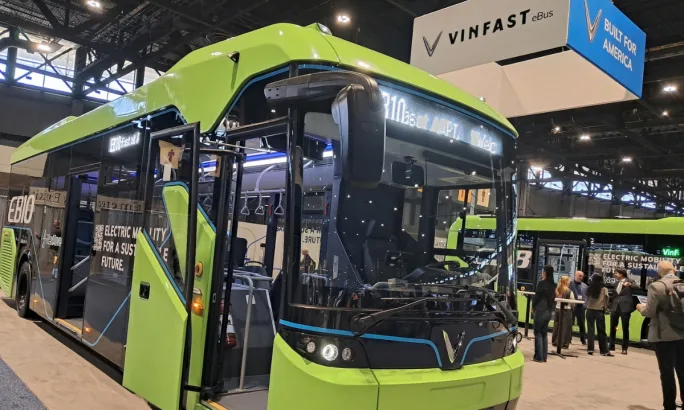
VinFast showcased its electric bus at APTA TRANSform & EXPO 2026 and announced plans to bring its e-bus lineup to U.S. customers through a partnership with NexMove.
Credit:
Alex Roman/METRO
VinFast Plans U.S. Electric Bus Launch Through NexMove Partnership
VinFast announced at APTA TRANSform & EXPO 2026 that it plans to bring its electric bus lineup to the U.S. through an initial partnership with NexMove, a joint venture of Transportation Management Services and Zeem Solutions. Certified buses are expected to begin reaching U.S. customers in the first quarter of 2028.
Under the partnership, NexMove plans to offer VinFast electric buses through an as-a-service model that combines the vehicle, charging infrastructure, maintenance, and operations in a single agreement. NexMove said the model is intended to support a controlled rollout and a planned 97% uptime service-level agreement.
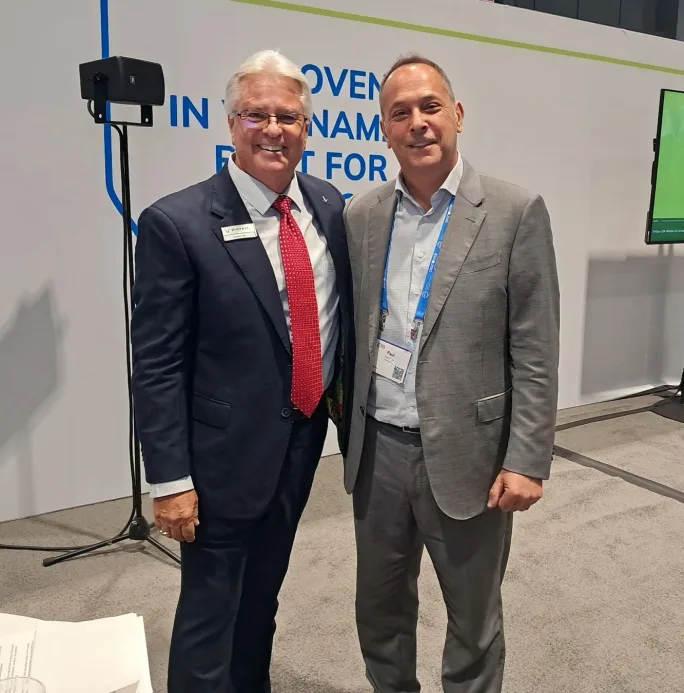
Bobby Hill, vice president of E-Bus Sales at VinFast, left, and Paul Gioupis, founder and CEO of Zeem Solutions and co-founder of NexMove, right, at the VinFast booth during APTA TRANSform & EXPO 2026 in Chicago.
Credit:
Alex Roman/METRO
Before certified vehicles become available, NexMove plans to place non-homologated demonstration buses at Zeem EV charging depots, allowing fleet operators and transit agencies to evaluate the vehicles. The companies also said they intend to work toward U.S. manufacturing that meets Federal Transit Administration requirements.
VinFast said its buses incorporate camera- and radar-based driver assistance systems, connectivity tools, and technology supporting charging, maintenance, and service. Other features include LFP battery technology, fast charging, and anti-corrosion protection.
“Bringing VinFast electric buses to the United States marks an important next step in our long-term commitment to this market,” said Brian Finnerty, CEO of VinFast North America. “As demand grows for cleaner, smarter urban transportation, we are doubling down on our investment in the U.S. and working with partners such as NexMove to help cities, transit operators, and businesses accelerate the transition to sustainable mobility.”
VinFast currently has approximately 2,000 electric buses operating in Vietnam, where the company has developed an ecosystem encompassing bus manufacturing, operations, and maintenance. The company has also announced plans to expand its electric bus business into Europe.
Cummins Expands Hybrid Bus Portfolio With B7.2 Option for 60-Foot Buses
Cummins announced that it is expanding its hybrid transit bus portfolio with a new B7.2 engine rating designed specifically for 60-foot hybrid buses. The new option is planned for 2030 and complements the company’s existing B7.2 application for 40-foot buses.
Cummins said the addition responds to customer demand for hybrid powertrains that can reduce fuel consumption and emissions while maintaining the range, uptime, and operational flexibility transit agencies require. The company has supported hybrid transit bus applications for more than 25 years.
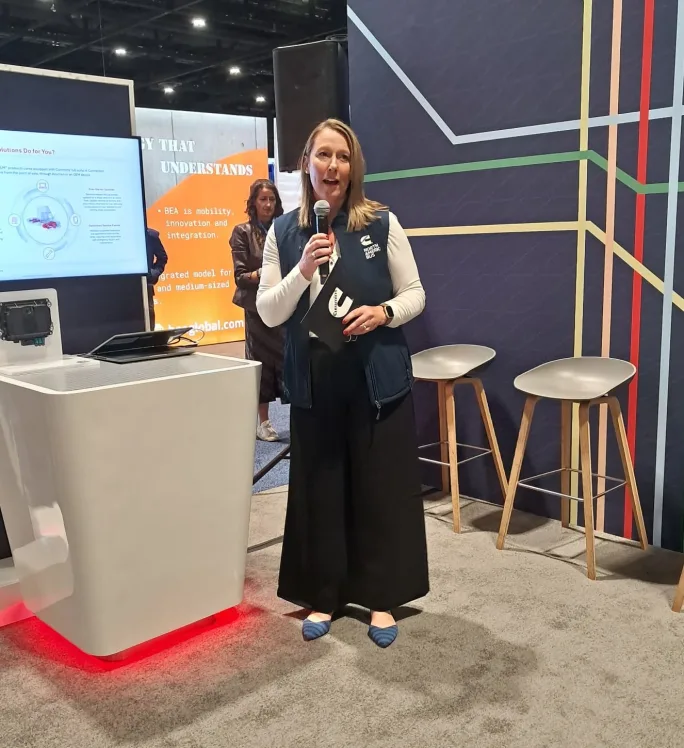
Nicole Wheeldon, general manager of Cummins’ North America Bus business, discusses the company’s transit portfolio at APTA EXPO 2026 in Chicago.
Credit:
Alex Roman/METRO
The B7.2 announcement is part of a broader portfolio Cummins is showcasing under its “Built for the Route Ahead” theme. The company is also displaying its X10 engine for coach and transit applications, which provides up to 350 horsepower and 1,150 lb.-ft. of torque for transit buses, along with its Twin Module Aftertreatment System.
Accelera by Cummins, the company’s zero-emissions business segment, is displaying technologies including an electric ultra-low-floor axle, Advanced LFP battery, BP97E battery, and NextGen 1CS2016 motor with an ELFA inverter.
Cummins is also demonstrating connected fleet technologies, including remote diagnostics, Predictive Insights, and digital service tools designed to help operators improve vehicle performance and uptime.
“The future of public transit goes beyond a single power solution,” said Nicole Wheeldon, general manager of North America Bus at Cummins. “We're excited to be part of APTA to demonstrate how our next-generation X10 engine, zero-emissions technologies, and digital capabilities can help transit agencies meet today's operational needs while preparing for the route ahead.”
WeDriveU Extends Pace Paratransit and On-Demand Contracts
WeDriveU announced two contract extensions with Pace Suburban Bus Service that will continue its paratransit and on-demand operations in Cook County, Illinois, through 2029. The company currently operates three contracts serving approximately 800,000 annual Pace riders.
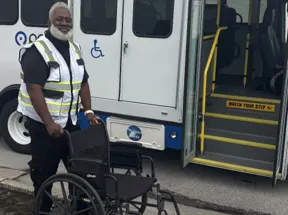
WeDriveU Road Supervisor Charles Herring supports its operation in Pace, South Cook County.
Credit:
WeDriveU
The renewed South Cook County contract began in August, while the City of Chicago renewal begins in 2027, extending a decade-long partnership. WeDriveU oversees operations and safety management, staffing, training, dispatching and scheduling, and fleet maintenance for more than 400 vehicles across Illinois.
As part of its work with Pace, WeDriveU is supporting service modernization efforts that include onboard dash cameras equipped with AI-powered telematics and video intended to improve operator safety and efficiency.
“Our partnership with WeDriveU supports Pace’s commitment to providing safe, reliable, and accessible service,” said Melinda Metzger, executive director of Pace. “This contract extension allows us to build on a decade of collaboration while continuing to strengthen the service our riders depend on.”
The extensions come as Pace begins operating under the new Northern Illinois Transit Authority framework. Pace Paratransit provides scheduled transportation for eligible riders with disabilities or health conditions that prevent them from using CTA or Pace fixed-route services, while Pace On Demand provides shared rides within designated travel zones.
March Networks and VIVOTEK Showcase Connected Transit Security
March Networks and VIVOTEK are showcasing a combined approach to transit security that connects video, artificial intelligence, and operational data across buses, rail vehicles, stations, and depots.
The companies’ “Connected Intelligence: On the Move” demonstrations include Attribute Search for investigations, AI cameras capable of monitoring distracted driving and fatigue, and a Sleep Mode designed to capture incidents while vehicles are parked and powered down.
Attribute Search allows investigators to search recorded video using visual characteristics such as clothing color and vehicle type, potentially reducing the amount of footage teams must manually review. Other AI capabilities can support passenger counting, occupancy analysis, object and zone detection, tampering alerts, vehicle empty checks, and driver fatigue and distraction detection.
The combined portfolio also includes mobile video recorders and cameras, centralized video management, cloud and evidence management, and tools that connect video with GPS, telematics, access control, and other security systems.
March Networks said its technology is already deployed across large North American transit operations, including the Capital District Transportation Authority in Albany, New York. VIVOTEK, meanwhile, deploys more than 100,000 IP cameras annually for onboard transportation applications, according to the companies.
Ballard Launches Fleet360 Fuel Cell Lifecycle Program
Ballard Power Systems launched Ballard Fleet360, a new lifecycle program designed to give transit operators additional support in managing fuel cell performance, maintenance, and long-term costs.
Available with new FCmove-HD+ module sales in North America, Fleet360 combines fuel cell data, technical support, parts assurance, technician training, and refurbishment options. Its FCcare+ coverage package includes a fuel cell module performance guarantee for power output for up to 250,000 miles of fuel cell operation.
At the center of the program is FCpulse, Ballard’s digital platform for monitoring fuel cell health, performance, and service-part trends. The platform includes a state-of-health dashboard designed to help maintenance teams identify modules requiring attention and plan workshop resources, while quarterly reports provide information for service and lifecycle planning.
Ballard is also pairing the digital tools with its Remote Operations Centre in Vancouver, expanded field service capabilities, U.S. parts inventory in Bend, Oregon, Ballard Academy technician training, and Core+ refurbishment services.
“Transit operators want confidence in how their fuel cells perform today and as their fleets age,” said Ralph Robinett, chief operating officer of Ballard. “With Fleet360, we are backing our technology with a defined performance guarantee, supported by the information, parts and technical support maintenance teams need.”
The program builds on Ballard’s experience with more than 3,000 fuel cell engines in operation and 186 million miles of service. The company has deployed nearly 330 fuel cell buses in North America, including more than 225 in California and more than 30 in Nevada.
Editor’s Note: This article was updated throughout APTA TRANSform & EXPO 2026 as new announcements emerged from the show floor.
Quick Answers
APTA TRANSform & EXPO is a major event in the public transit industry where the latest product launches, partnerships, and technology updates are showcased.
*Summarized by AI
More Management
How Gen Z's Changing Mobility Habits Are Reshaping Public Transit
As younger generations embrace multimodal mobility over private vehicles, transit agencies can rethink station design, the passenger experience, and public transportation's role in building connected communities.
Read More →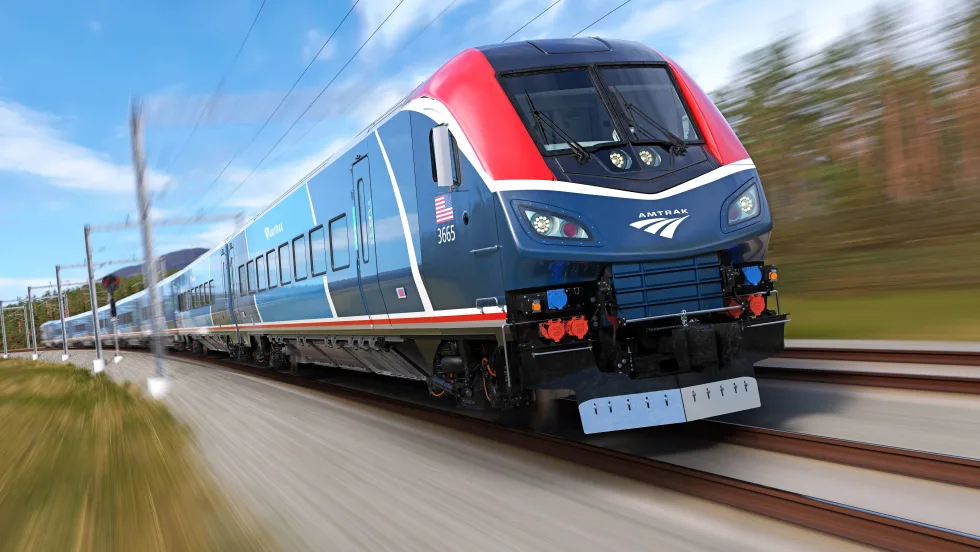
Amtrak Expands Airo Fleet with Eight Higher-Capacity Trainsets
The new 10-car trains, expected to enter service in 2031, will provide about 34% more seating capacity to meet growing demand on the Northeast Corridor.
Read More →
APTA Urges FTA to Withdraw Proposed Capital Investment Grants Guidance
The association warns that proposed changes could delay transit projects, reduce federal funding, and create new hurdles for 47 projects currently in the CIG pipeline.
Read More →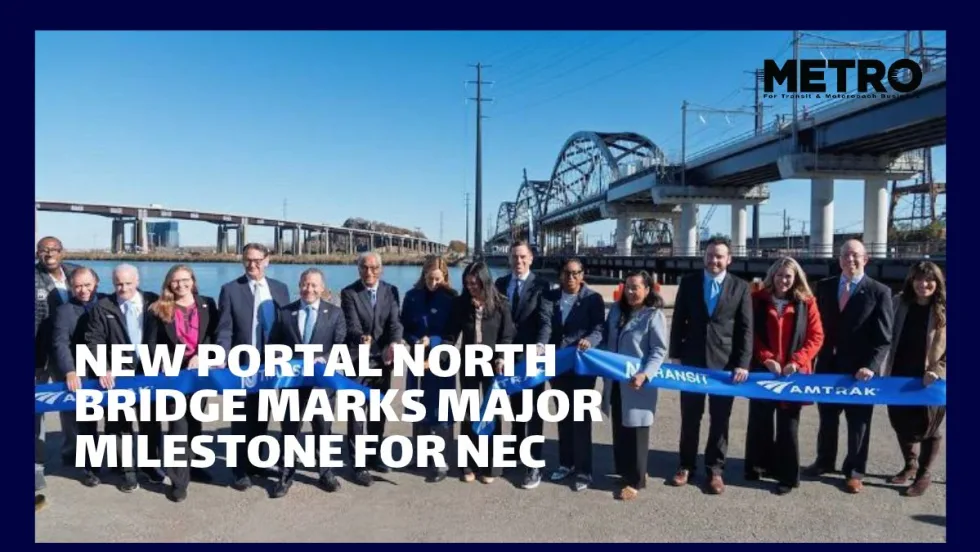
Amtrak, NJ TRANSIT Launch Full Service on New Portal North Bridge
The completion of the two-track bridge over the Hackensack River eliminates a longstanding source of delays for NJ TRANSIT and Amtrak customers. It marks a major milestone for the Gateway Program.
Read More →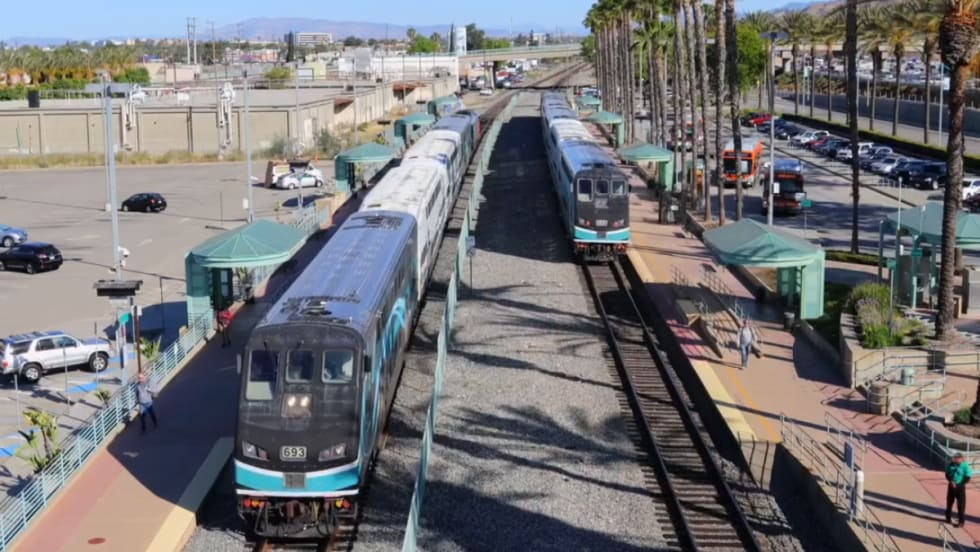
Southern California’s Metrolink Approves $508.8M Budget, Avoids Service Cuts
A $20 million state allocation allows the regional rail agency to maintain existing weekday and weekend service through fiscal year 2028, although longer-term funding challenges remain.
Read More →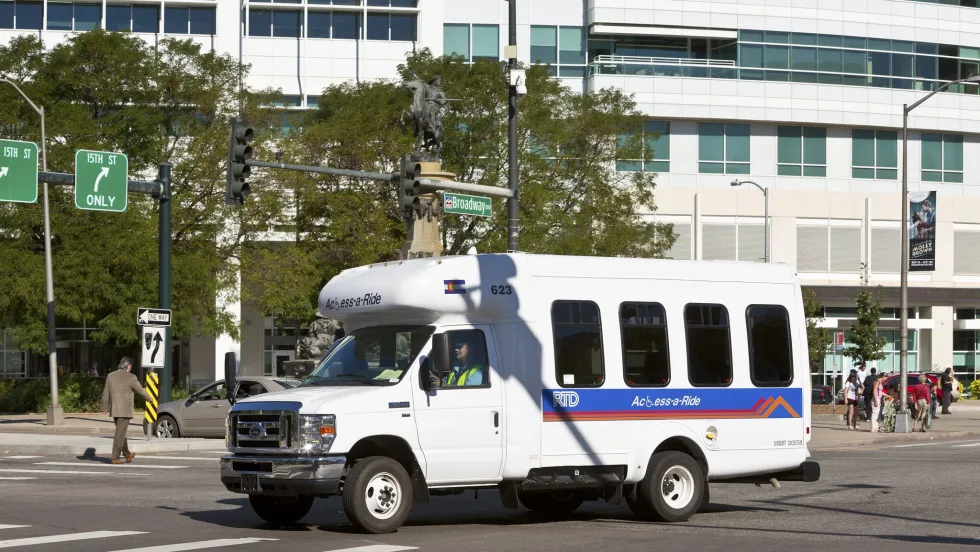
Denver RTD Committee to Review Paratransit Services, Improve Accessibility
The committee will oversee an independent study of paratransit operations, gather customer feedback, and recommend improvements to service reliability, accessibility, and accountability.
Read More →
Castro to Lead RTC of Southern Nevada and More in People Movement
In this edition, we also cover recent appointments and announcements at the STV, MCI, and more, showcasing the individuals helping to shape the future of transportation.
Read More →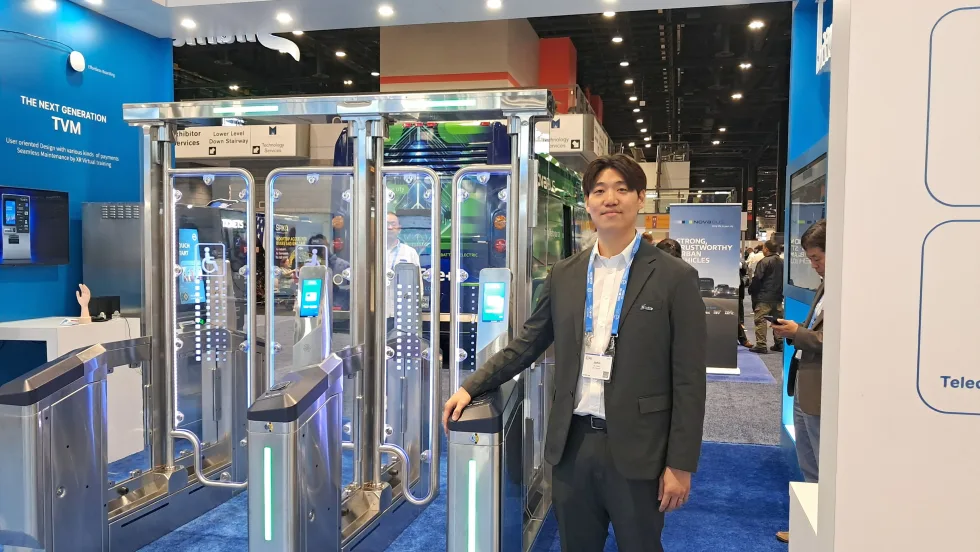
STraffic Expands North American Presence with Fare Collection Technology
John Moon, Associate Director, Product Strategy at STraffic, discusses the company's growth in North America, its efforts to reduce fare evasion, and more.
Read More →
Study: Denver RTD Generates $2.1 Billion in Annual Economic Activity
An economic impact study finds the agency supports approximately 17,500 jobs, delivers $1.6 billion in annual community and mobility benefits, and generates $2.42 in economic value for every dollar invested.
Read More →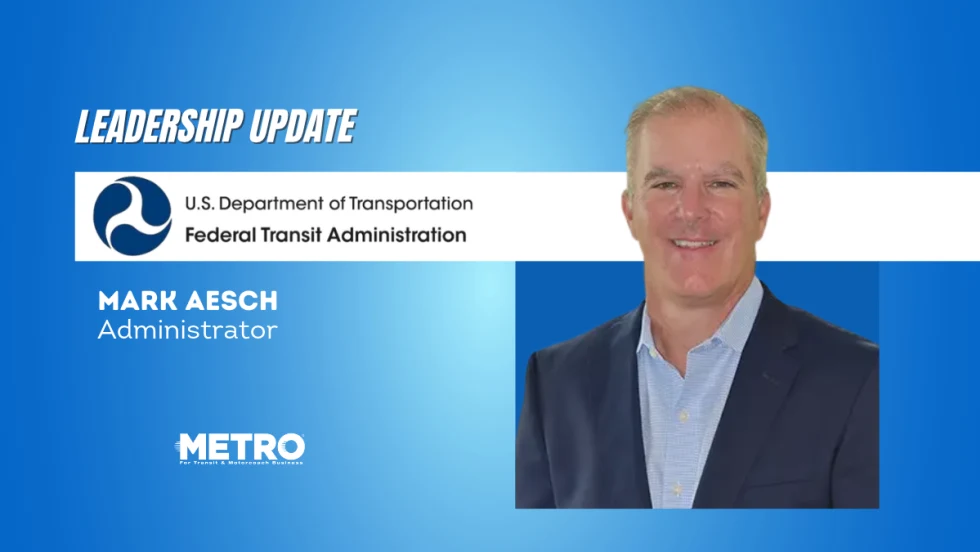
Mark Aesch Nominated to Lead Federal Transit Administration
The former Rochester transit chief and TransPro founder, who has also contributed to METRO Magazine, brings decades of industry experience and a focus on performance, accountability, and financial sustainability to the nomination.
Read More →