



Safety, safety, safety is the UTEP mantra
The key to maximizing a university transportation operation’s safety and properly respond to an emergency is partnering with local police and fire authorities and maintaining an open line of communication.


The key to maximizing a university transportation operation’s safety and properly respond to an emergency is partnering with local police and fire authorities and maintaining an open line of communication. Although this sounds a bit obvious, Karen Walton, general manager for First Transit in El Paso, Texas, said it requires some effort for transportation managers to change their mindsets. “We tend to think ‘convenience, convenience, convenience,’ while the police think ‘safety, safety, safety,’” she said. Under contract to the University of Texas, El Paso (UTEP) since August 2007, First Transit services three routes with 11 buses and also provides charter service. It transports 3,500 to 4,000 students a day, mainly around the perimeter of the campus. Walton, previously the executive director of the Mat-Su Transit in Wasilla, Alaska, said one of the first things she did at UTEP was ask the El Paso police chief for First Transit to put into the emergency response plan. “Improving emergency response is an ongoing process these days,” she said. “With the recent school shootings, it’s come to the forefront.” Walton also asked if First Transit could be included in police and fire training programs. “There are hundreds of ways you can train with police and fire,” she said. “We want them to use us for training.” As an example, she said police in Wasilla used one of the Mat-Su buses to practice a hostage scenario. In this case, the captor switched shirts with the bus operator to confuse the police. “I would have never thought of that,” Walton said. Other ways in which the police can help, Walton said, is by auditing bus stop locations for dangerous traffic situations. They can also check the lighting at the stop and the general safety of the location based on their knowledge of crime patterns. Transit professionals can return the favor by providing police and fire agencies with technical expertise. For example, Walton said she has explained to firefighters how they can gain entry to a bus without “cutting big holes in them.” This can help to reduce the time it takes to enter the bus and, less importantly of course, reduce the amount of damage to the vehicle. Walton said she is developing bus safety posters for UTEP students that can be hung inside the bus and around campus. The messages will be simple but important: Students shouldn’t cross in front of a bus without making eye contact with the driver, and they should never run after a bus. “There’s a bus every 4 minutes, so there’s no reason to race after one that’s just left,” Walton said.
More Management
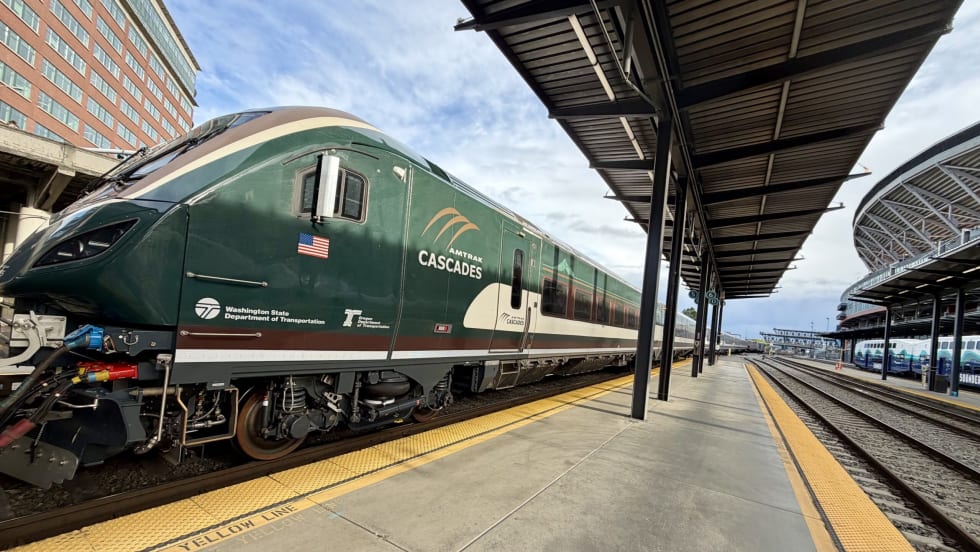
FRA Announces $5.3B in Rail Investments, Including $2B for Amtrak
Funding will support grade-crossing improvements, infrastructure upgrades, and new Amtrak equipment in 23 states.
Read More →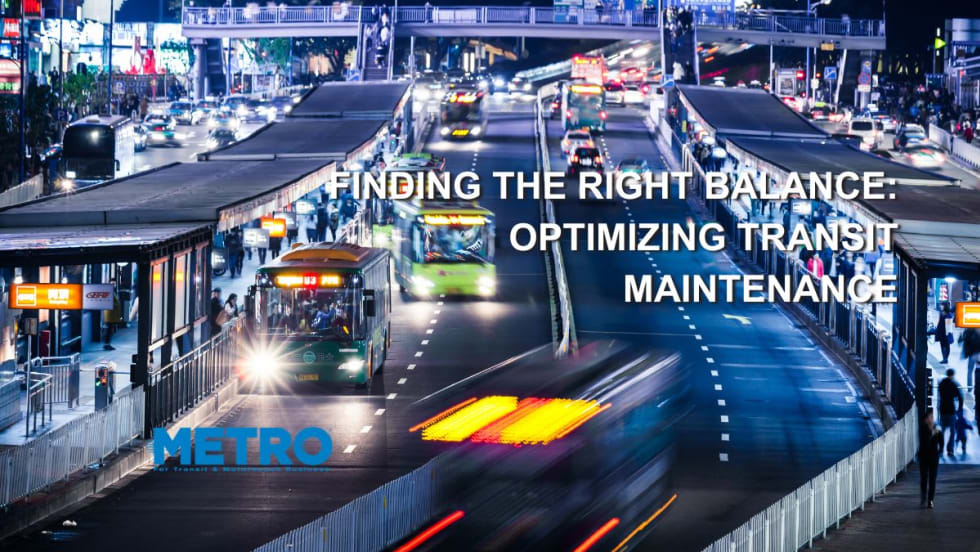
Finding the ‘Happy Medium’: Optimizing Maintenance Without Sacrificing Reliability
The key to maintenance optimization isn’t doing less work—it’s doing the right work at the right time on the right assets.
Read More →
People Movement: MARTA Drops Interim Tag on GM/CEO Hunt and More
In this edition, METRO covers recent appointments and announcements at the FMCSA, HDR, SilverRide, and more, showcasing the individuals helping to shape the future of transportation.
Read More →
VIA Metropolitan Transit Reports 2 Million More Passenger Trips as Better Bus Plan Gains Momentum
San Antonio's transit agency said accelerated service improvements are driving ridership growth, offering another example of how increased frequency and workforce investments can translate into stronger transit performance.
Read More →
ABAF Study Reveals Growing Insurance Crisis for Motorcoach Operators
Preliminary findings show 98% of operators faced premium increases over the past five years, while shrinking insurer participation is putting added pressure on businesses and customers.
Read More →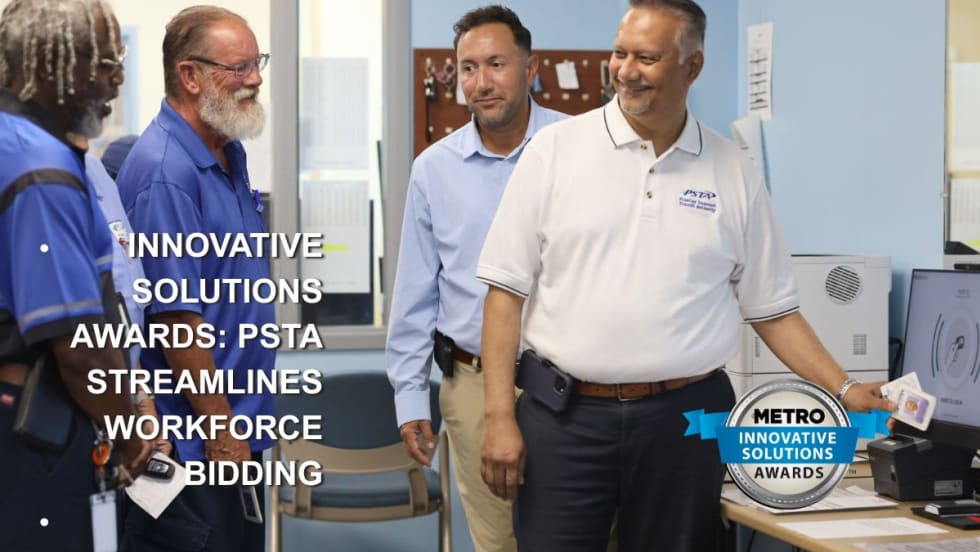
PSTA Modernizes Workforce Management with Digital Bidding System
The award-winning Workforce Transit Modernization project replaced paper bidding with a transparent digital platform, cutting administrative effort while improving access for operators.
Read More →
Chicago to Host Public Transportation's Biggest Gathering at APTA TRANSform & EXPO 2026
North America’s largest public transportation gathering returns to Chicago, connecting transit decision-makers with the technologies, ideas, and partnerships driving the industry forward.
Read More →
New Tricks for Old Bureaucracies: Joshua Schank on Making Transit Innovation Stick
Former LA Metro Chief Innovation Officer Joshua Schank discusses why good ideas aren't enough, how transit agencies can overcome resistance to change, and why today's challenges demand more innovation.
Read More →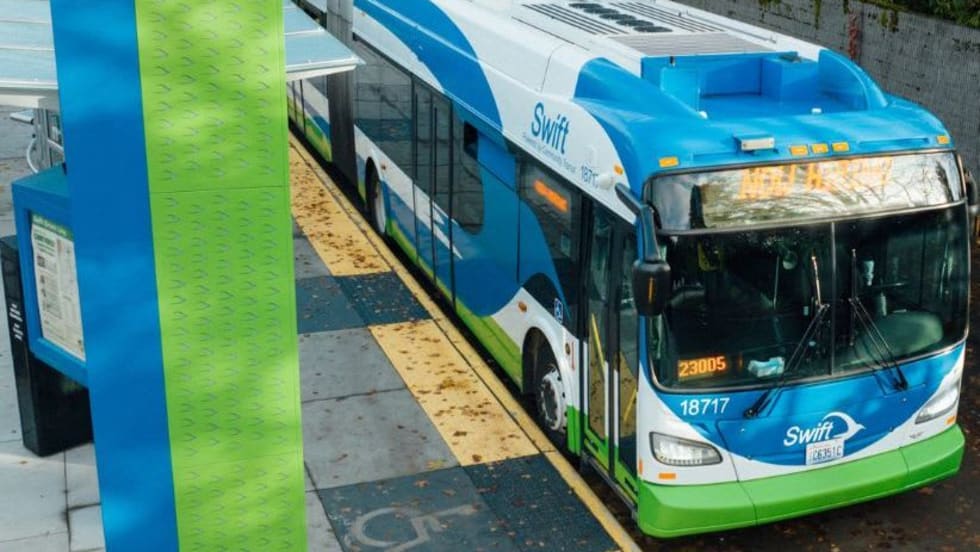
Washington's Community Transit Sets Six-Year Roadmap for Growth, Expansion
Approved TDP targets more bus service, new mobility options, Swift BRT expansion, and a potential Everett Transit annexation.
Read More →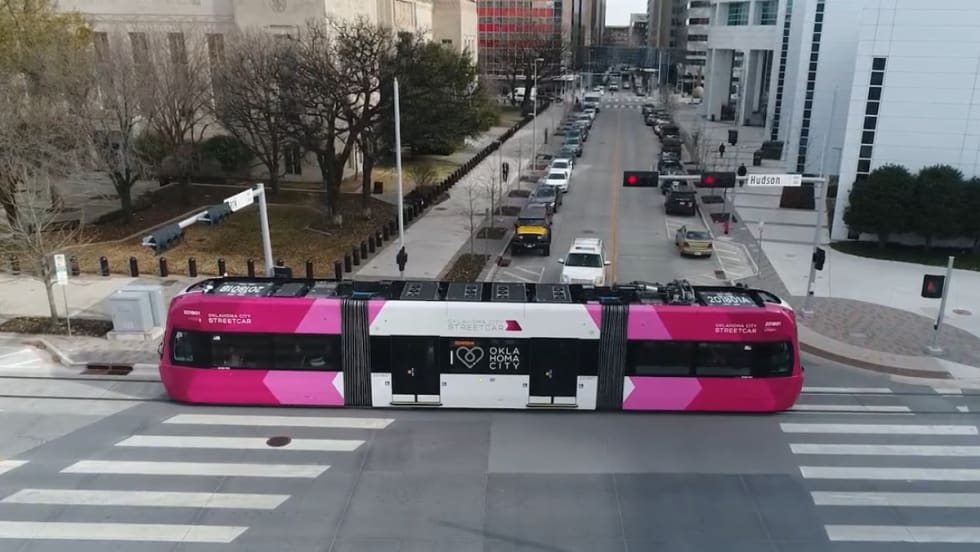
OKC Streetcar Makes Zero-Fare Service Permanent
Ridership increased an average of 71% compared with the same period a year earlier during the fare-free pilot.
Read More →