



San Diego's MTS bus service gets $2M boost
The changes to approximately 60 bus routes were approved by the MTS Board of Directors at its meeting on Thursday.

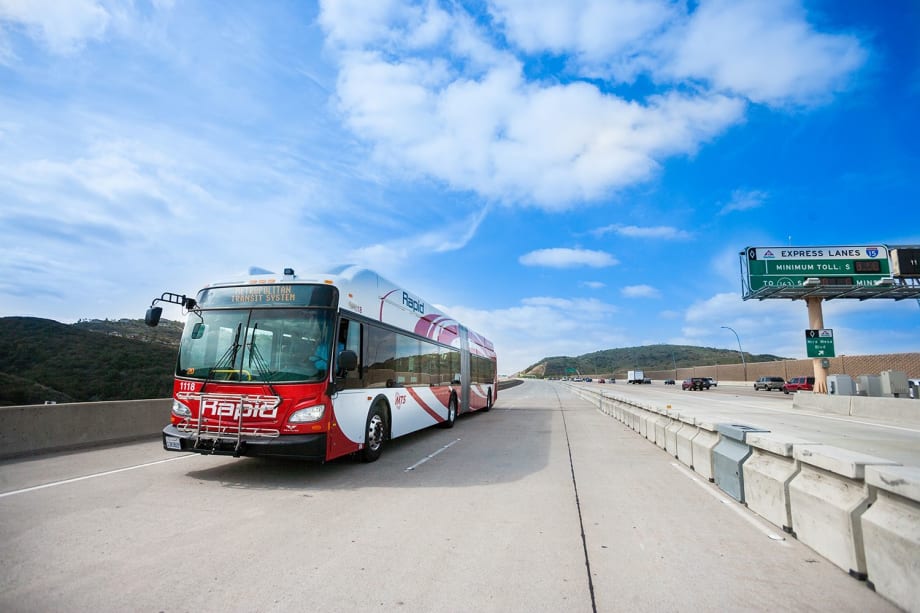
Frequency will increase to every 15 minutes during midday on Rapid 235, the high frequency, limited stop route that runs from Downtown San Diego to Escondido via the I-15.
Photos courtesy San Diego MTS
Frequency will increase to every 15 minutes during midday on Rapid 235, the high frequency, limited stop route that runs from Downtown San Diego to Escondido via the I-15.
Photos courtesy San Diego MTS
The San Diego Metropolitan Transit System (MTS) will boost the agency’s bus system by allocating an additional $2 million to provide more efficient and effective service. The changes to approximately 60 bus routes were approved by the MTS Board of Directors at its meeting on Thursday.
The increase in service was based on the agency’s Transit Optimization Plan (TOP), which it launched in fall 2016. TOP was an evaluation of MTS’ current network of services to ensure it meets the region’s travel needs. TOP changes will be implemented throughout 2018.
“One of MTS’ goals is to maximize the level of service for our customers,” said Paul Jablonski, MTS CEO. “After extensive outreach and surveys, we heard that frequency and speed of routes were the most important qualities for current and potential riders. The TOP service plan answers that call by substantially adding to our high frequency network and by streamlining routes to reduce travel times.”
Why Change the Bus Routes?
TOP is an update of the 2004-2006 Comprehensive Operational Analysis (COA) that resulted in major changes to the system’s bus and Trolley services. In the 10 years since COA implementation, MTS experienced increased ridership, fare revenue and operational efficiencies for nine years straight.
However, after record-breaking ridership in FY2015, ridership dipped in FY2016, and again in FY2017.
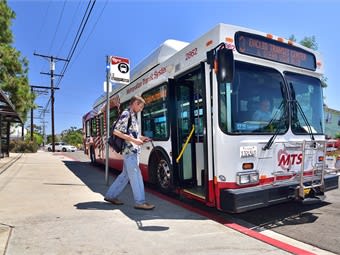
Route 3, which serves Hillcrest, Mission Hills, Balboa Park, Cortez Hill, Gaslamp Quarter, Lincoln Park will get increased frequency from 15 to 12 minutes, and Sunday frequency increased from 60 to 30 minutes.
Certain routes and geographical areas have experienced large gains, while others have experienced significant decline. The TOP process included MTS collecting nearly 6,000 surveys and attending over 50 outreach events across the region. Using rider input in conjunction with system performance data and ridership patterns, proposals were made for adjustments to approximately two-thirds of MTS’ bus services. The MTS Board of Directors held a public hearing on July 20, 2017 to obtain public testimony on the proposals. The Board considered the input of 49 speakers and more than 200 comments received via email, mail, and voicemails. Board members provided feedback and direction to staff on the various proposals.
MTS staff adjusted the plan and returned to the Board with recommendations for changes to approximately 60 routes. Changes approved by the MTS Board as part of TOP will be implemented throughout 2018.
MTS operates 95 bus routes and three Trolley lines on 53 miles of double-tracked railway. Every weekday more than 300,000 passenger trips are taken on MTS bus and Trolley services in 10 cities and the county. In FY 2017, MTS served more than 88 million riders.
More Bus

Brian Dickson on Building Stronger, More Resilient Transportation Organizations
Bus Business Consultants Founder Brian Dickson discusses the leadership principles, operational discipline, and strategic planning that separate transportation companies positioned for long-term success from those stuck in survival mode.
Read More →
LA Metro Breaks Ground on Vermont BRT Project
The 12.4-mile corridor is projected to serve 66,200 daily riders, reduce travel times by up to 24%, and create the nation's busiest bus rapid transit corridor.
Read More →
Roman Cornell on ABC Companies’ Evolution and the Future of Passenger Transportation
The company’s CEO discusses carrying forward a third-generation family legacy, ABC’s continued evolution in passenger transportation, support for increasingly complex fleets, and how technology and continued investment could help operators improve uptime.
Read More →
VIA Bus Ridership Grows 10.1% Through August 2026
San Antonio's VIA Metropolitan Transit reported the highest bus ridership growth among major Texas transit systems. Federal Transit Administration data ranked it second among the nation's 50 largest transit systems.
Read More →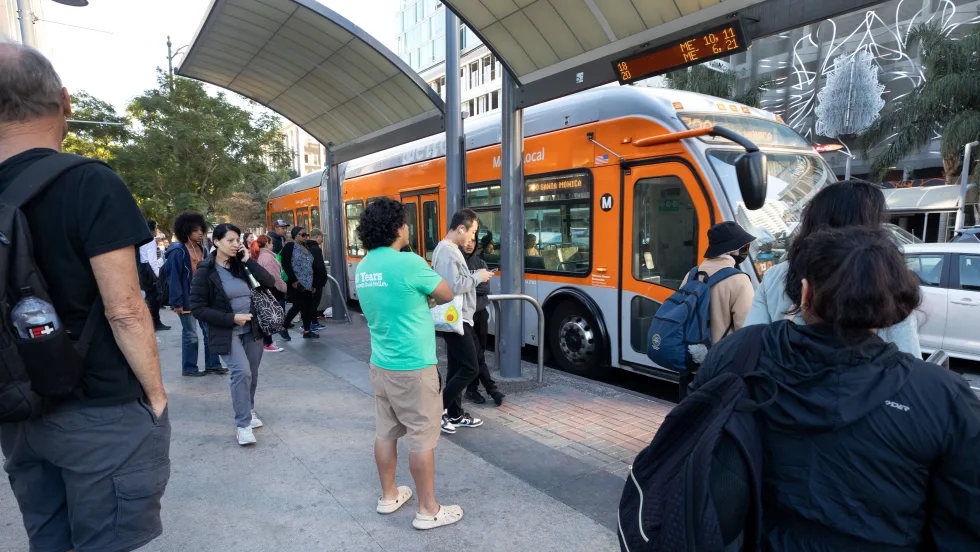
LA Metro September Ridership Climbs 3.9%, Led by Rail Growth
The agency recorded more than 27.2 million boardings, with rail ridership increasing 12.4% year over year and the D Line posting the largest gains.
Read More →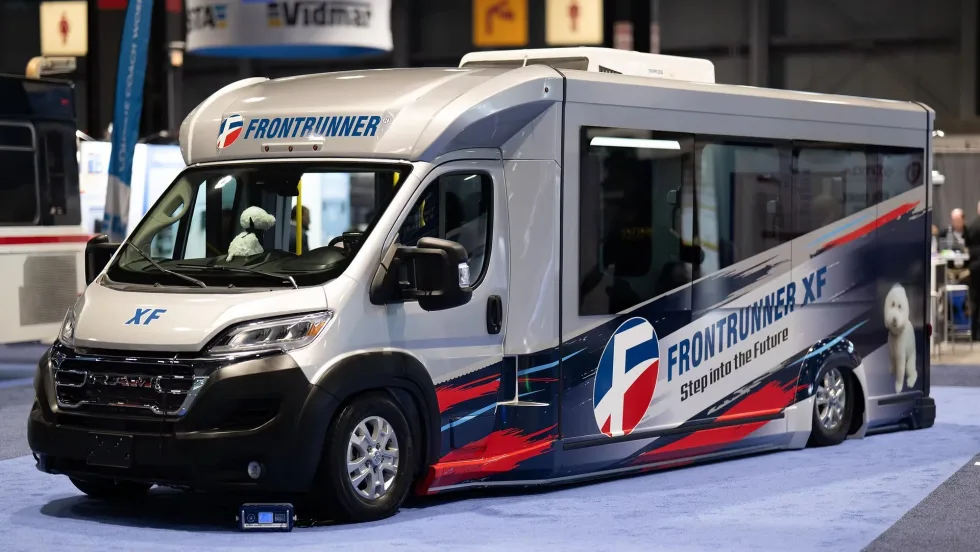
Frontrunner Bus Group Introduces XF Low-Floor Bus with Enhanced Accessibility
The new mid-sized bus features a full flat-floor design, eight-inch curbside step-in height, and zero-entry rear ramp to improve passenger access and operational flexibility.
Read More →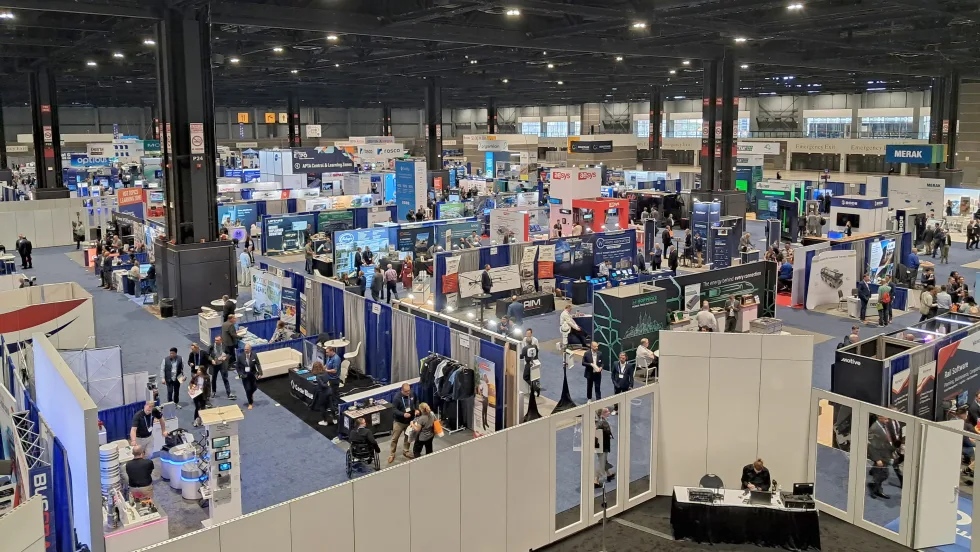
Scenes from APTA TRANSform & EXPO 2026
Transit leaders, manufacturers, and industry professionals gathered in Chicago to explore new technologies, share ideas, and discuss the future of public transportation.
Read More →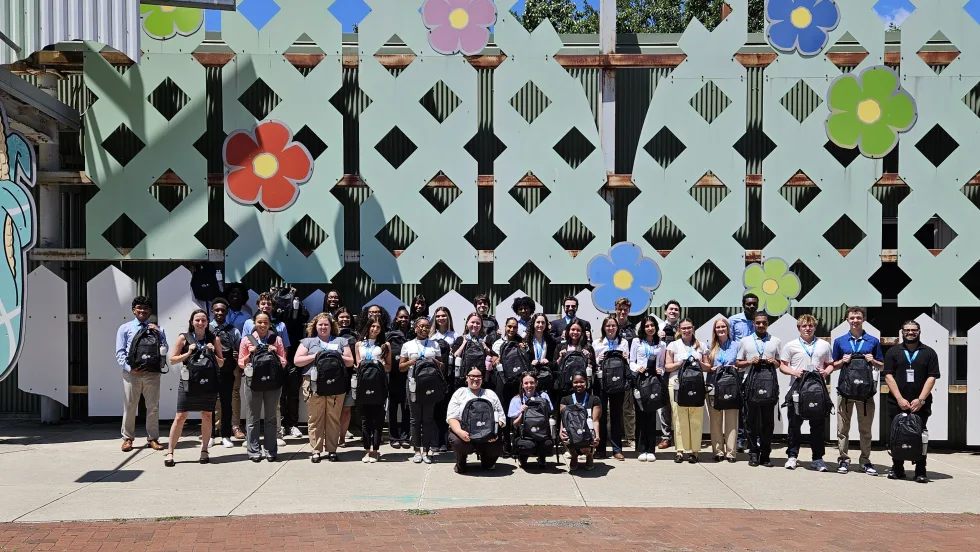
More Than a Summer Job: Building the Next Generation of Transit Talent
The Delaware River Port Authority and PATCO have transformed their internship program into a hands-on professional development experience that introduces students to the breadth of transportation careers — and creates a pipeline for future employees.
Read More →
LA Metro Board Awards 220 Battery-Electric Bus Contract to ENC
The contract, which is the largest base award of battery-electric buses by a U.S. transit agency, will be built in Southern California, sustaining good jobs as LA prepares to welcome the world in 2028
Read More →
Public Transit Conference Returning to GFX in 2027, Call for Papers Now Open
The Call for Papers is now open, allowing transit agency professionals and industry experts to help shape the PTC educational program by submitting session ideas for consideration.
Read More →