




RELATED: San Francisco introduces interactive, online performance dashboards
San Francisco MTA to add 185 40-foot trolley buses
The new vehicles will replace buses currently in service that are over 17 years old and account for 40% of system-wide delays, due to mechanical issues.
June 15, 2017
SFMTA
2 min to read
SFMTA
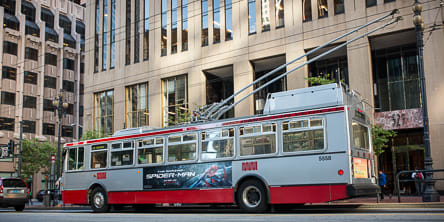
The San Francisco Municipal Transportation Agency (SFMTA), which manages the transportation network, announced that the Board of Supervisors voted to authorize the acquisition of 185 40-foot trolley buses to replace Muni’s aging fleet. The new vehicles will replace buses currently in service that are over 17 years old and account for 40% of system-wide delays, due to mechanical issues.
This is the most recent milestone for this procurement, which has received unwavering support from Mayor Ed Lee, the SFMTA Board of Directors, and the Board of Supervisors to improve the reliability of Muni by replacing and renewing the rubber tire fleet.
“Replacing aging vehicles is vital to Muni’s reliability and performance,” said SFMTA Chair Cheryl Brinkman. “This city deserves a safe and affordable 21st Century transit system, and these sustainable upgrades will improve service for our City’s working families and workforce for many years to come.”
Electric trolley buses are rubber-tired vehicles with motors powered by electricity from overhead wires. Although their operations can be less flexible than that of motor buses, trolley buses are more energy efficient, much quieter, and much less polluting. They are better on hills, require less maintenance, and are longer lasting than motor buses.
“The people of San Francisco deserve modern, reliable transportation services that support the quality of life and economic vitality of the city,” said SFMTA Director of Transportation Ed Reiskin. “By investing in new, high-performing, quiet and green electric trolley vehicles, we are able to provide better options for moving around the city.”
The approval by the Board of Supervisors culminates in the last of four bus procurements targeted to replace and expand our current fleet. The agency’s first new vehicles entered service in 2013 and the last trolley in this purchase will arrive in 2019. The contract approved concludes the largest zero-emission procurement in North America.
The SFMTA is aggressively pursuing replacement and rehabilitation programs on all its entire fleet of Muni buses, light rail vehicles, and historic street cars. With more people travelling throughout the city on a daily basis, more stress is being placed on the public transit system. By updating the bus fleet, the SFMTA is ensuring the city is preparing for economic growth while making sure the transportation system is accessible, equitable, and sustainable.
More Management
COTA Launches First Customer Experience Action Plan to Improve Transit Service
The new plan outlines improvements to service reliability, accessibility, communication, and the overall rider experience across Central Ohio's transit system.
Read More →
LA Metro September Ridership Climbs 3.9%, Led by Rail Growth
The agency recorded more than 27.2 million boardings, with rail ridership increasing 12.4% year over year and the D Line posting the largest gains.
Read More →
Utilimarc Launches SmartReplace to Optimize Fleet Replacement Decisions
AI-powered SmartReplace helps fleets prioritize vehicle replacements, model budget scenarios, and build more defensible long-term strategies.
Read More →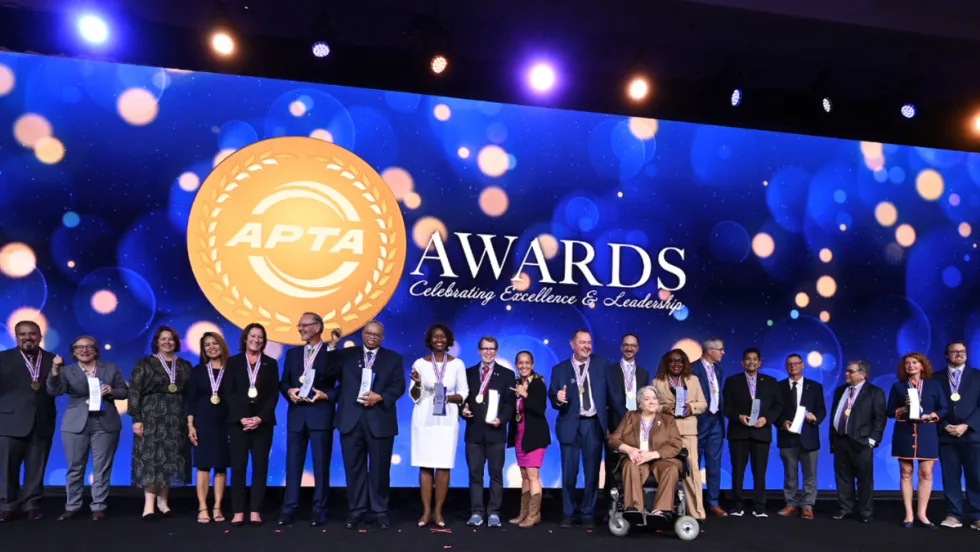
APTA Honors 2026 Award Winners, Hall of Fame Inductees at TRANSform & EXPO
Innovations in autonomous and zero-emission transportation, standout transit systems, and industry leadership took center stage among this year's honorees.
Read More →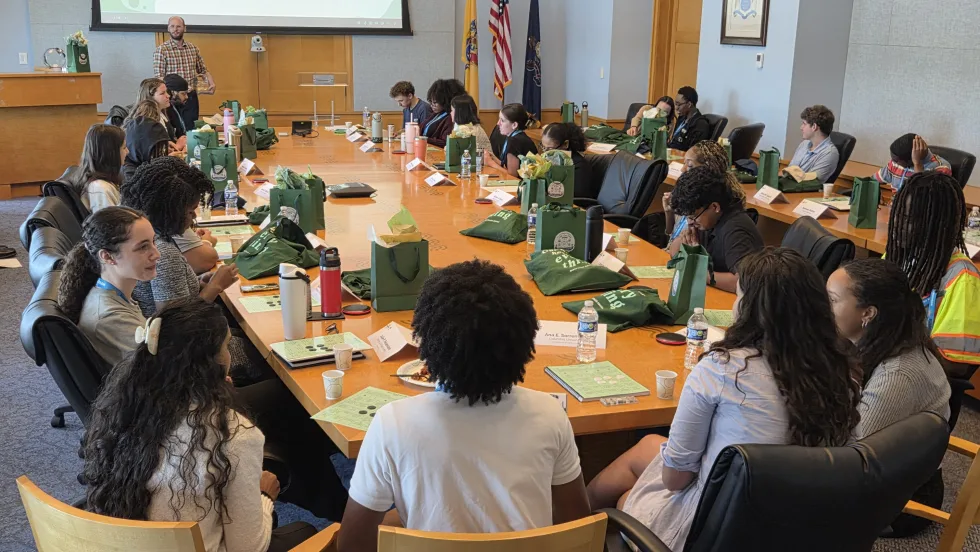
7 Ways to Build a Better Transit Internship Program
Lessons from DRPA/PATCO’s approach to creating a meaningful internship experience—and developing the next generation of transportation professionals.
Read More →
Scenes from APTA TRANSform & EXPO 2026
Transit leaders, manufacturers, and industry professionals gathered in Chicago to explore new technologies, share ideas, and discuss the future of public transportation.
Read More →
Building Stronger Leaders, More Resilient Transit Teams
Dr. Carol Parker Walsh discusses leadership development, employee retention, workplace culture, and preparing transit’s workforce for AI and automation.
Read More →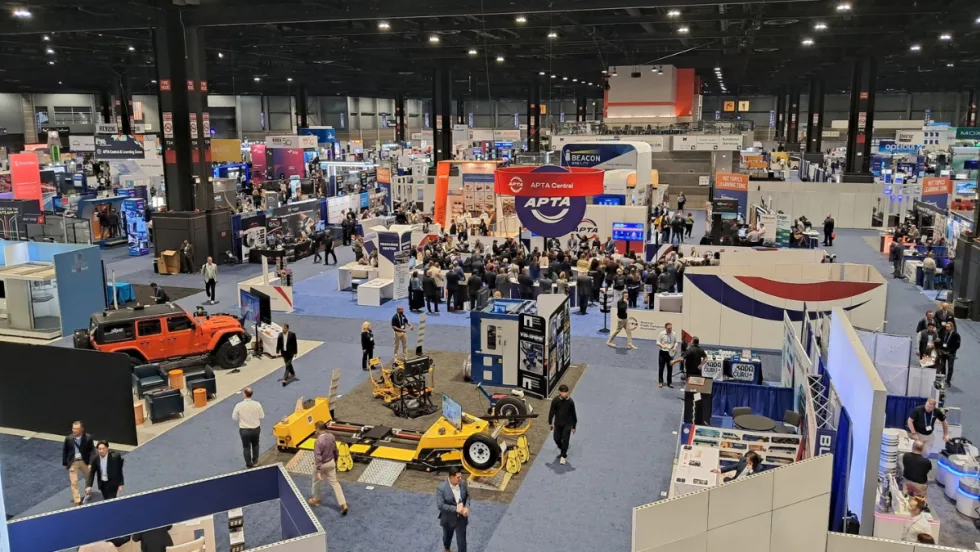
APTA 2026 TRANSform & EXPO Kicks Off in Chicago
After 45 years, APTA returns to Chicago with a focus on next-generation fleets, AI, connected transit networks, and the funding strategies shaping public transportation’s future.
Read More →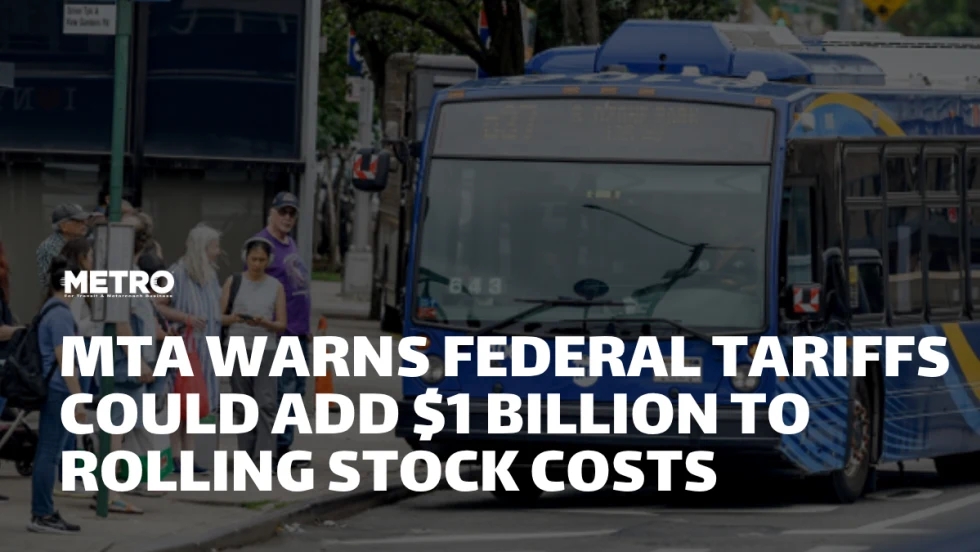
New York MTA Warns Federal Tariffs Could Add $1 Billion to Rolling Stock Costs
The agency said tariffs on specialized imported components could reduce the purchasing power of its $23 billion investment in new subway cars, railcars, and buses.
Read More →
From the Show Floor: What Happened at APTA TRANSform & EXPO 2026
See the latest product launches, partnerships, technology updates, and transit industry announcements from APTA TRANSform & EXPO in Chicago.
Read More →