



Santa Clara VTA Named Outstanding Public Transportation System
The top industry award from APTA honors a public transportation system member who has demonstrated achievement in efficiency and effectiveness among agencies providing more than 15 million but fewer than 50 million annual passenger trips.


The award recognizes VTA’s excellence amid unprecedented challenges over 2021 and 2022, continuing to provide essential service during COVID-19 and making significant strides in restoring service to pre-pandemic levels, after emerging from a traumatic shooting attack and a crippling cyberattack in the Spring of 2021.
Photo: Santa Clara VTA
San Jose, Calif.’s Santa Clara Valley Transportation Authority (VTA) was named the Outstanding Public Transportation System among “large” transit agencies throughout North America.
The top industry award from the American Public Transportation Association (APTA) honors a public transportation system member who has demonstrated achievement in efficiency and effectiveness among agencies providing more than 15 million but fewer than 50 million annual passenger trips.
VTA provides more than 25 million trips a year for bus, light rail, and paratransit in Santa Clara County.
VTA Named “Best of the Best”
VTA GM/CEO Carolyn Gonot offered her gratitude for the acknowledgement saying, “Every employee at VTA, from our maintenance workers, bus and light rail operators, to middle managers, administrators, and executives, have worked extremely hard and been resilient over the past three years. We are immensely proud to receive this honor.”
The award recognizes VTA’s excellence amid unprecedented challenges over 2021 and 2022, continuing to provide essential service during COVID-19 and making significant strides in restoring service to pre-pandemic levels, after emerging from a traumatic shooting attack and a crippling cyberattack in the Spring of 2021.
VTA excelled in multiple categories measured for the award under Gonot’s leadership, which mirrors the timeframe of this award.
By the end of 2021, pandemic-impacted bus service was restored to 91% of pre-pandemic levels, while light rail service was at 75%.
Key milestones included the restoration of all suspended routes, and increased frequency on high-demand routes.
Success is attributed to the network redesign, which focused on high-frequency service throughout the day.
Ridership growth is also a significant achievement with steady major increases over the last three years, launching VTA into the top 5 agencies in the nation for ridership recovery.
VTA’s leadership will accept the award at a formal presentation at APTA’s Annual TRANSform Conference to be held in Anaheim, Calif. this fall.
More Management

ENC Lands MATA Contract and More in Biz Briefs
In this edition of Biz Briefs, we spotlight the latest developments shaping the future of mobility.
Read More →
From Surviving to Thriving: Building Stronger Transportation Organizations
Bus Business Consultants founder Brian Dickson shares lessons on leadership, organizational health, and creating options for long-term success in a changing transportation industry.
Read More →
Everett Transit, Community Transit Outline Consolidation Agreement
The proposed agreement calls for a 50% increase in bus service in Everett, a new microtransit zone, continued paratransit service, and the transfer of Everett Transit operations to Community Transit.
Read More →

Strada360’s Steve Lassey on Turning Transit Data Into Better Decisions
From breaking down data silos to preparing for AI, Strada360 CEO Steve Lassey discusses how transit agencies can use technology to improve operations, customer information, and long-term decision-making.
Read More →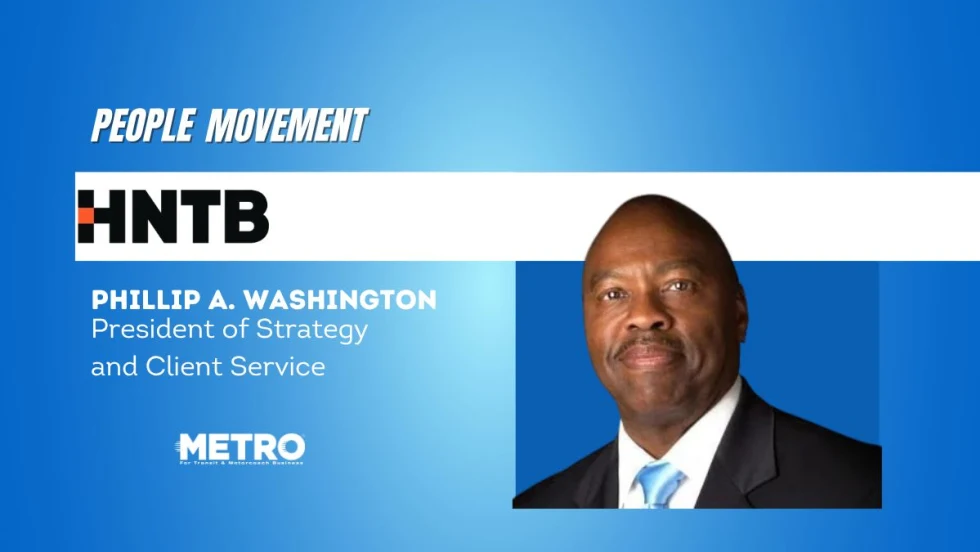
People Movement: Phil Washington Joins HNTB, Denver RTD Launches CEO Search, and More
In this edition, we also spotlight recent personnel moves at STV, the Eno Center for Transportation, and more, highlighting the people taking on new roles across the transportation industry.
Read More →
SEPTA Details Accelerate Vision for Transit System
The plan outlines investments in trolley modernization, new Metro and Regional Rail vehicles, accessible stations, and more frequent bus and rail service.
Read More →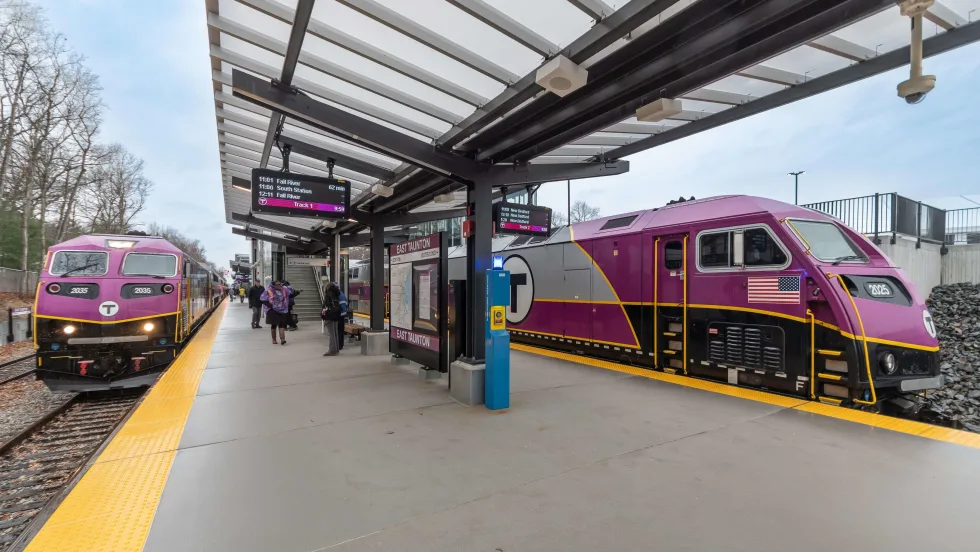
FTA Ends Direct Oversight of MBTA Safety Actions
The federal agency closed its remaining special directive to the Massachusetts Department of Public Utilities following a safety review that began in 2022.
Read More →
Report: Transit Bus Manufacturing Supports 34,100 Jobs, $5.1B in GDP
The “Buses Mean Business” report examines the transit bus manufacturing industry’s economic footprint, supply chain, and rising demand for vehicle replacements.
Read More →
LIT Marks 10-Year Milestone at Annual Summit
Hosted by the COTA from September 10 to 13, the Summit carried the theme “Celebrating 10 Years of Excellence, Leadership, and Impact,” with every part of the program honoring the people, agencies, and partners who built LIT over its first decade.
Read More →
People Movement: Dan Dipert Coaches Adds Third-Generation Leader, Keolis Names New Valley Metro VP/GM, and More
In this edition, we also cover recent appointments and announcements at the Wabtec, SilverRide, HNTB, and more, showcasing the individuals helping to shape the future of transportation.
Read More →