



Seattle's King County Breaks Ground on New Electric Bus Facility
The new 544,000-square-foot base will include maintenance facilities and charging infrastructure for the next-generation battery-electric buses scheduled to begin service in 2026.

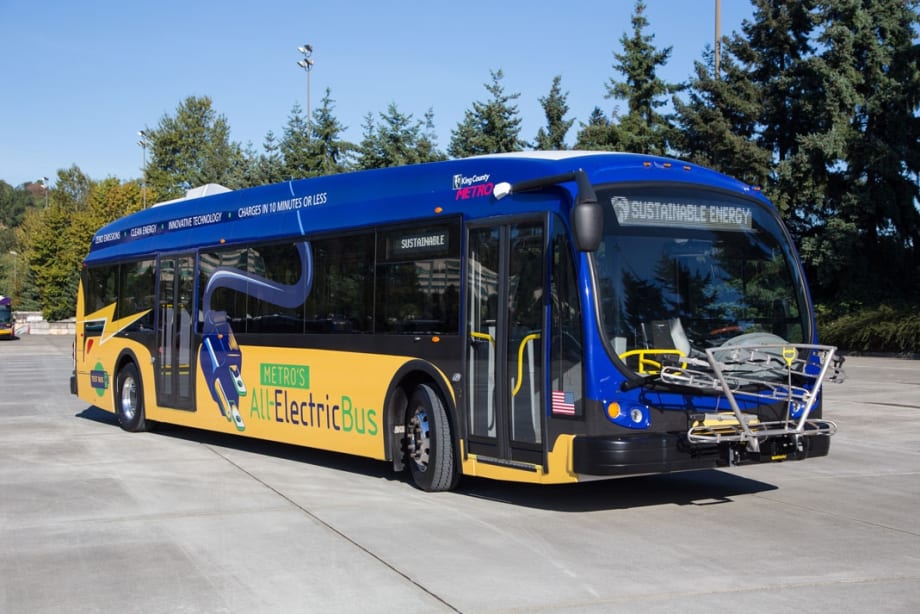
The buses that will operate out of this base will be focused on serving the communities of south King County that have disproportionately borne the brunt of the pollution generated by fossil fuels.
Photo: King County Metro
King County Executive Dow Constantine was joined by Seattle and federal representatives to break ground on Metro’s first 100% electric bus base, which will support 120 next-generation buses scheduled to arrive in the next two years.
“The future of transit is electric, and today we’re building Metro’s infrastructure to deliver the bus network of tomorrow,” said Constantine. “A new 100% electric base for 120 new zero-emission buses will help us combat carbon emissions, push back against our changing climate, and support this new fleet for decades to come.”
King County Metro’s New ZEBs Facility
The new 544,000-square-foot base will include maintenance facilities and charging infrastructure for the next-generation battery-electric buses scheduled to begin service in 2026.
It will be located south of the Tukwila test charging facility that is used to charge the 40 long-range battery-electric buses that have been in service since 2022.
Construction of the $115 million base will be directed by McKinstry and will feature several sustainability efforts to reduce energy consumption and reuse materials. The project will use drought-resistant native species to minimize the need for irrigation and reduce the heat island effect by replacing dark asphalt with lighter-colored concrete. Together, these and other project features achieve Platinum status on the County’s Sustainable Infrastructure Scorecard as required by the Green Building Ordinance.
Drawing Power
Building on years of partnership with utility provider Seattle City Light, Interim Base will use six to 10 megawatts of electric energy to charge Metro’s and King County’s zero-emission bus fleet.
Interim Base will also be home to zero-emission non-revenue vehicles, including EV sedans and an electric yard cart, all powered by new charging infrastructure being installed at the adjacent parking garage. Additionally, Metro is investing in software technology to support charge management and efficient operations at the site.
The buses that will operate out of this base will be focused on serving the communities of south King County that have disproportionately borne the brunt of the pollution generated by fossil fuels.
As Metro prepares for a zero-emission future, Interim Base is intended as a prototype for future battery‐electric bus deployment and base electrification throughout the county.
As an innovation hub, continuous improvement and lessons learned at Interim Base will inform the future work of Metro and other transit agencies around the world.
More Zero Emissions
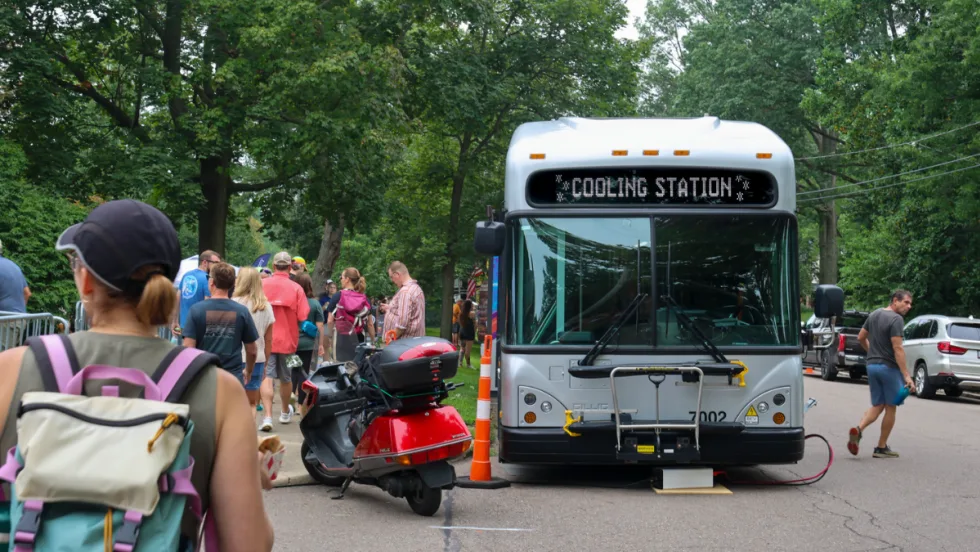
Ohio’s METRO RTA Turns Electric Buses into Mobile Power Sources at PorchROKR
See how three Gillig battery-electric buses powered festival stages while the agency’s new Park & Ride service carried approximately 1,000 attendees, demonstrating another potential use for transit agencies’ electric fleets.
Read More →
CALSTART and Forth Combine to Form Catalyst Mobility
The new name represents a renewed vision for the nonprofit focused on advancing clean, equitable, and affordable transportation solutions that move people and goods.
Read More →
Building a Flexible Path to Transit Electrification
John Hroncich discusses BAE Systems’ modular and scalable approach, lessons learned from decades of real-world operations, and how agencies can identify electrification strategies that fit their fleets.
Read More →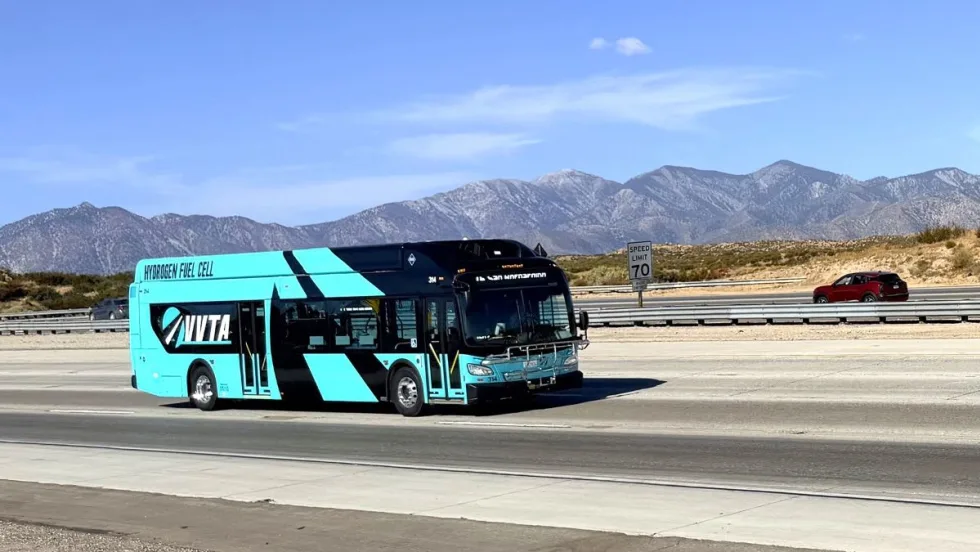
California's VVTA Begins Phased Rollout of Hydrogen Fuel Cell Buses
The agency is introducing 13 zero-emission buses into revenue service while evaluating performance across its urban, rural, and long-distance routes.
Read More →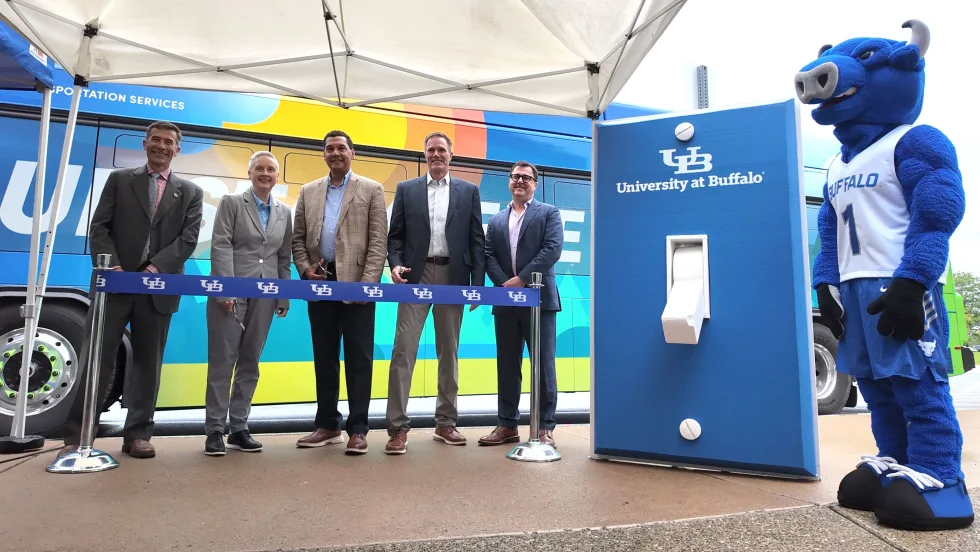
Inside Look: University at Buffalo Puts First 8 Electric Buses Into Stampede Service
UB, transportation solutions provider WeDriveU, and fleet electrification specialist Zenobē marked the deployment in the presence of students, university administrators, and local officials.
Read More →
Biz Briefs: OCTA Taps Clean Energy for Hydrogen Station, Stadler to Supply Via Rail Vehicles, and More
From manufacturers and suppliers to transit agencies and motorcoach operators, these updates offer a snapshot of the projects, partnerships and business moves driving the industry forward.
Read More →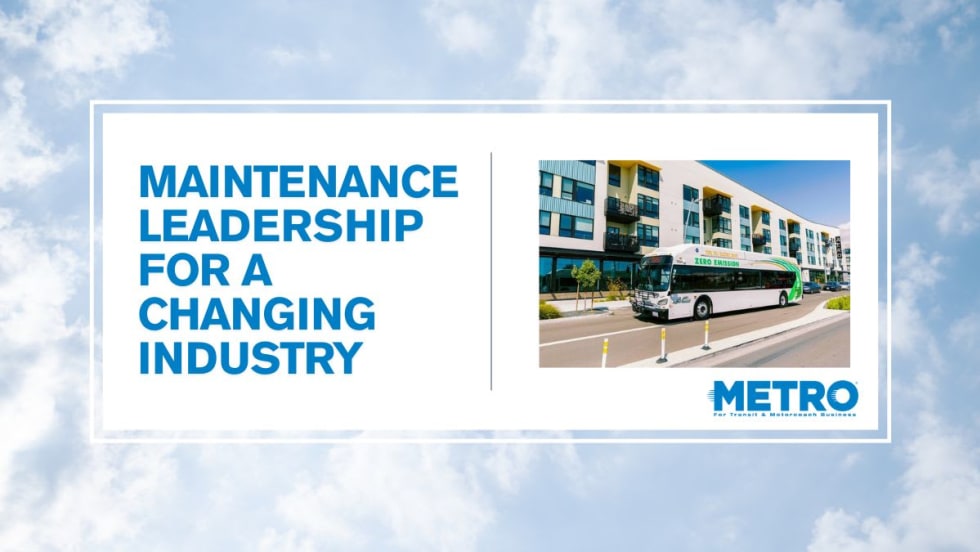
AC Transit’s Cecil Blandon on Building the Next Generation of Transit Maintenance Leaders
The agency’s maintenance chief discusses leadership, workforce development, zero-emission technology, and preparing technicians for the future of public transportation.
Read More →
CTDOT Taps STV for Electric Bus Facility Design
The firm will work with CTDOT and RVT to define the facility layout, operational requirements, and long-term flexibility for RVT’s growing electric fleet.
Read More →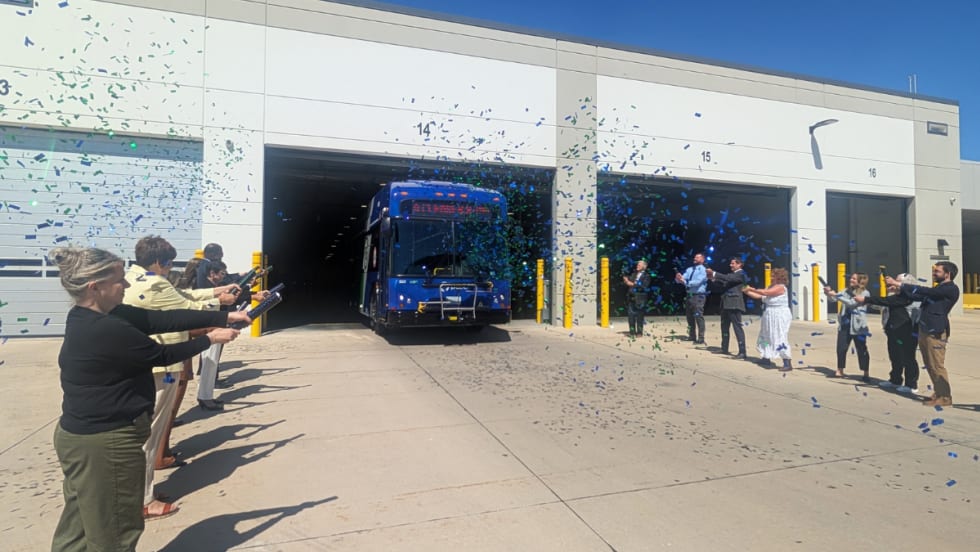
Chicago’s Pace Deploys 24 Hybrid-Electric Buses in Will County
The new buses reduce emissions and fuel consumption while advancing the agency's long-term goal of transitioning to a fully zero-emission fleet.
Read More →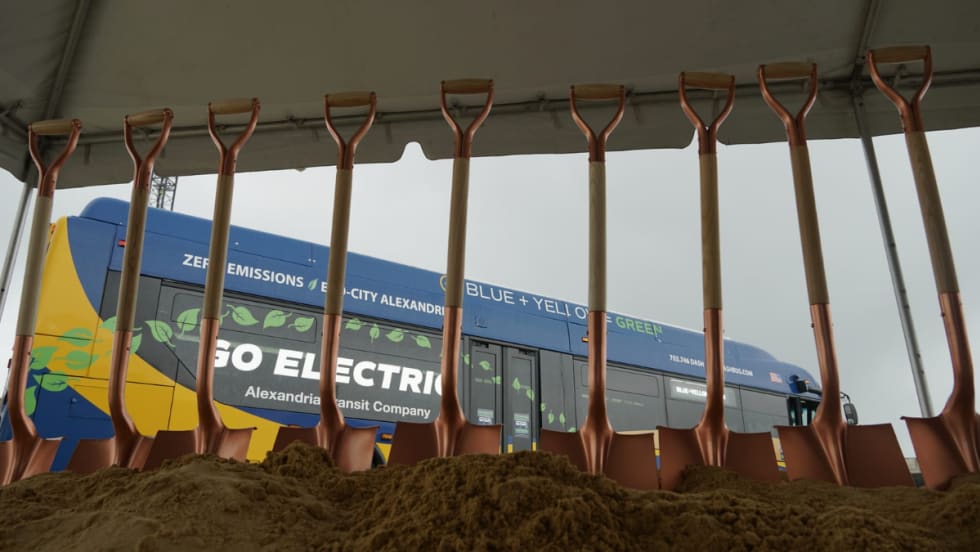
DASH Breaks Ground on First On-Route Electric Bus Chargers in D.C. Region
The fast-charging infrastructure will help extend electric bus range, improve fleet utilization, and support DASH's goal of transitioning to a fully zero-emission fleet.
Read More →