



SEPTA GM testifies to Pa. lawmakers on funding crisis
Joseph M. Casey said insufficient state funding from a law forced SEPTA to cut $110 million from its Capital Budget for Fiscal Year 2011.

Southeastern Pennsylvania Transportation Authority (SEPTA) General Manager Joseph M. Casey urged Pennsylvania lawmakers to resolve the state's transit funding crisis, highlighting the critical infrastructure repairs that would be left undone without a solution.
Casey testified before the before the Pennsylvania House Transportation and Policy committees at Saint Joseph's University on Friday. The hearing was part of a series lawmakers are holding throughout the state as transit agencies deal with severe funding shortages under Act 44.
"Capital investment is essential to ensure that we can maintain safe, efficient operations, and provide service that meets the needs of our customers," Casey said.
Insufficient funding from Act 44 — the state law enacted in 2007 to create a dedicated source for transportation funding in Pennsylvania — forced SEPTA to cut $110 million from its Capital Budget for Fiscal Year 2011, which begins July 1, 2010. Most of the 22 projects deferred focused on station renovations, facility upgrades and other long-needed infrastructure improvements. Major initiatives such as New Payment Technology and the City Hall Station overhaul were also slashed to pare the bare-bones spending plan down to $300 million.
Transit agencies throughout Pennsylvania are experiencing similar budget problems related to Act 44. Continued full funding from Act 44 was dependent on the addition of tolls to Interstate 80, but the state's funding proposal for this was rejected by the Federal Highway Administration.
Casey noted SEPTA's progress since Act 44 went into effect, and said SEPTA has been a "careful financial steward" by wisely investing and advancing "many initiatives addressing useful life, state of good repair, vehicle replacement and system improvements." But, he added: "Without sufficient capital resources, the Authority will not be able to sustain its current level of investment in vital transit assets."
"The loss of Act 44 funding will deal a major blow to public transit and highways that will translate into fewer permanent jobs, and significantly reduced opportunities for contractors and engineers who support public transit and highway construction and revitalization initiatives," Casey said. "The Commonwealth cannot afford to sustain such job losses or reduced capital investment in its vital transportation infrastructure."
To see SEPTA's Capital Budget for Fiscal Year 2011, visit www.septa.org/reports.
More Bus

Finding the ‘Happy Medium’: Optimizing Maintenance Without Sacrificing Reliability
The key to maintenance optimization isn’t doing less work—it’s doing the right work at the right time on the right assets.
Read More →
LA Metro, City of West Hollywood, and Partners Advance Smarter Bus Lane Enforcement
The award-winning partnership combines AI-powered detection with human oversight to improve bus reliability, accessibility, and enforcement efficiency.
Read More →
PSTA Modernizes Workforce Management with Digital Bidding System
The award-winning Workforce Transit Modernization project replaced paper bidding with a transparent digital platform, cutting administrative effort while improving access for operators.
Read More →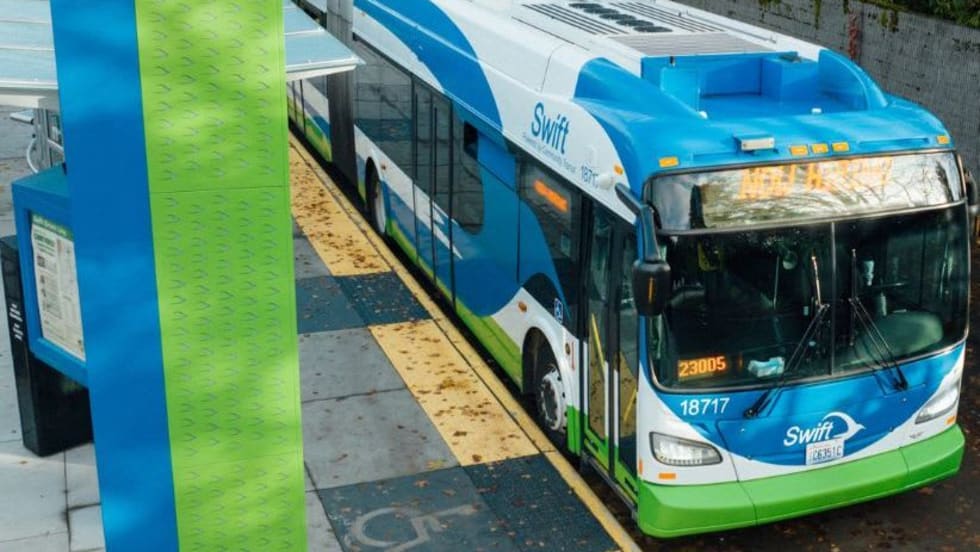
Washington's Community Transit Sets Six-Year Roadmap for Growth, Expansion
Approved TDP targets more bus service, new mobility options, Swift BRT expansion, and a potential Everett Transit annexation.
Read More →
DART Customer Satisfaction Reaches Six-Year High
Overall satisfaction rose to 74.9%, while the agency’s Net Promoter Score reached a record 33.7.
Read More →
How DART's GoPass Is Redefining Regional Mobility
Serving 14 transit agencies, GoPass simplifies multimodal travel by allowing riders to plan, pay for, and manage an entire trip through one app.
Read More →
Biz Briefs: OCTA Taps Clean Energy for Hydrogen Station, Stadler to Supply Via Rail Vehicles, and More
From manufacturers and suppliers to transit agencies and motorcoach operators, these updates offer a snapshot of the projects, partnerships and business moves driving the industry forward.
Read More →
METRO Magazine Announces 2026 Innovative Solutions Awards Winners
Projects Recognized for Advancing Mobility Through Technology, Accessibility, Workforce Innovation, and Operational Excellence
Read More →
Biz Briefs: STV teams with Amtrak, Motorcoach Operators Boost Fleet and Land Contracts, and More
From manufacturers and suppliers to transit agencies and motorcoach operators, these updates offer a snapshot of the projects, partnerships and business moves driving the industry forward.
Read More →
LA Metro Marks Banner Year, Sets Ambitious Goals for New Fiscal Year
Incoming LA Metro Board Chair and Los Angeles Mayor Karen Bass joined outgoing Board Chair Fernando Dutra and LA Metro CEO Stephanie Wiggins to review accomplishments from fiscal year 2026, which included the opening of new rail extensions, advancement of major transit projects, expanded safety programs, and new rider amenities.
Read More →