



Sound Transit Forms Plan to Address Crowding on Future Line
Among the steps the agency is proposing when the Lynwood Link extension opens are increased storage capacity for trains, which allows for more frequent service during peak hours, and alternative bus service between Snohomish County and Seattle.

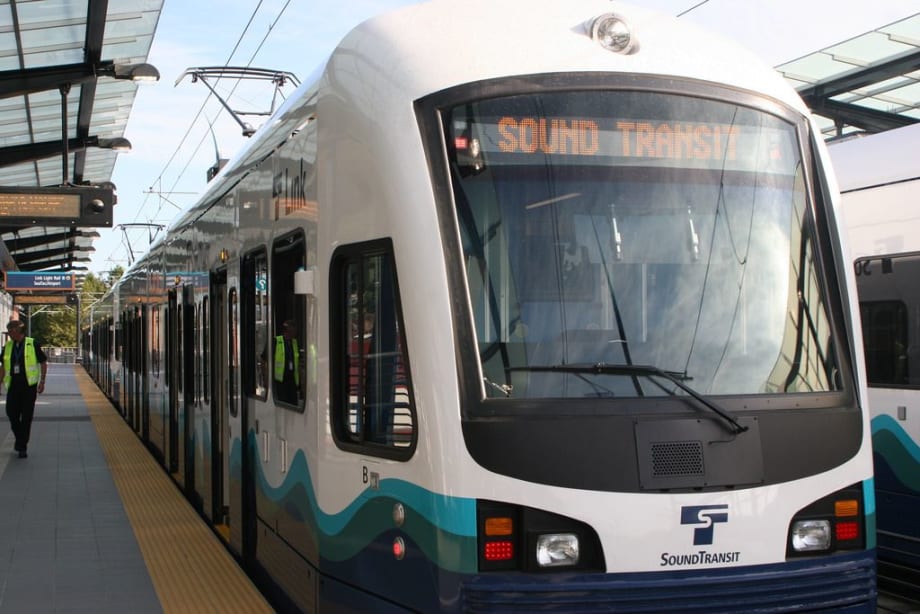
The Lynnwood Link extension is currently scheduled to open by this fall. Pre-revenue and simulated service for the extension is planned to begin in the second quarter of this year.
Photo: Sound Transit
In response to direction from the board, Seattle’s Sound Transit announced a series of actions designed to mitigate crowding and improve the experience for passengers when the Lynnwood Link extension opens later this year.
Among the steps the agency is proposing are increased storage capacity for trains, which allows for more frequent service during peak hours, and alternative bus service between Snohomish County and Seattle, including the introduction of a new temporary ST Express route.
“We want people to use Link when it opens, since it is both convenient and good for the environment,” said board Vice Chair Dave Somers. “By addressing the board’s concerns about crowding, Sound Transit is proactively preparing for improved service for transit users across the region, and we greatly appreciate the responsiveness.”
Causes for Possible Overcrowding
Originally, the 2 Line was scheduled to open before the Lynnwood Link extension. The delay of the opening of the 2 Line over Lake Washington means that the Lynnwood extension does not have access to the new Operations and Maintenance Facility (OMF) East in Bellevue, where the agency was planning on storing new railcars.
Sound Transit’s OMF Central in SODO is already at full capacity, limiting storage options and creating the potential for very crowded conditions on trains when the Lynnwood extension opens.
As a result, Sound Transit had originally projected running four-car trains every 10 minutes during peak hours. Under the new plan, four-car trains will run every eight minutes during peak hours.
Sound Transit will also deploy gap trains and extra trains as they are available during the busiest periods, when platform crowding is identified by the Link Control Center. The agency routinely deploys gap trains and extra trains during special events, such as concerts and sporting events.
The changes will create 25% more capacity on trains, reducing crowding, especially during afternoon peak hours.
Identifying Solutions
The additional capacity is possible due to Sound Transit and King County staff locating temporary storage sites for up to 36 additional vehicles outside of the OMF Central at various sites along the 1 Line.
With the extra vehicles, the maximum storage capacity of 140 vehicles will be assigned to the OMF, 35% more than it was designed to manage safety inspections and maintenance activities.
While the new service schedule will reduce crowding and improve frequency, it does come with tradeoffs. Because of the extra maintenance required for the increased number of vehicles, Sound Transit is reducing some off-peak service levels. Starting around 8 p.m., service will move from 10-minute to 12-minute headways, allowing for more vehicle maintenance in the evening.
Passengers may also experience variability in train length, timeliness, and cleanliness as a result of this updated maintenance schedule.
Besides the increased frequency in light rail service, Sound Transit is collaborating with Community Transit on ST Express alternatives for direct service from Snohomish County until the 2 Line is complete.
“We couldn’t have accomplished these improvements without our staff and our partners joining in a collaborative effort to find innovative answers to the problems that we were facing,” said Sound Transit CEO Goran Sparrman. “Their hard work has yielded a workable solution that will benefit riders until we are able to open the full 2 Line.”
The Lynwood Link’s Update
The Lynnwood Link extension is currently scheduled to open by this fall. Pre-revenue and simulated service for the extension is planned to begin in the second quarter of this year.
When the Lynnwood extension opens, riders will enjoy fast, frequent, and reliable service between south Snohomish County, the University of Washington, downtown Seattle, and Sea-Tac Airport.
The extension includes four new stations serving Lynnwood, Mountlake Terrace, Shoreline, and Seattle.
More Rail
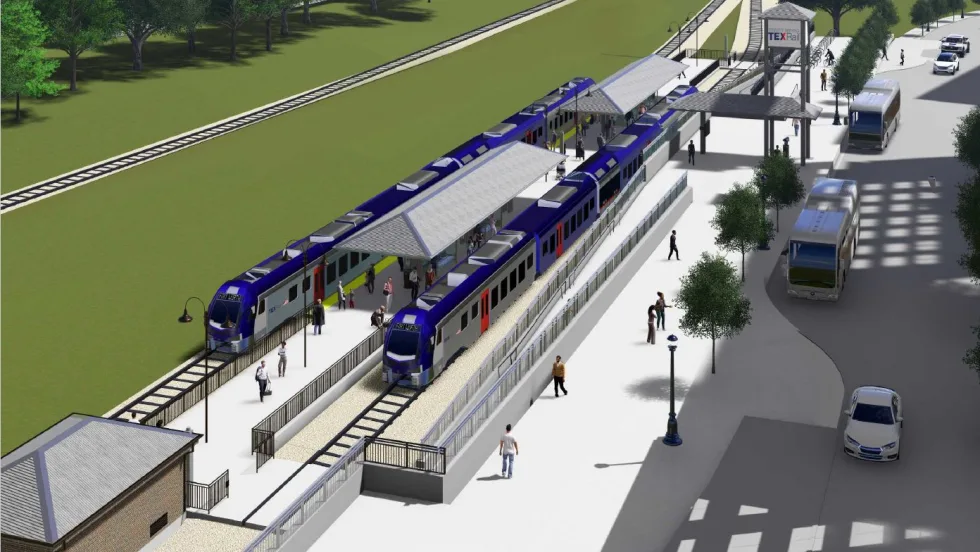
Trinity Metro Breaks Ground on $270M TEXRail Extension
The 2.1-mile extension will connect Fort Worth’s Medical District and Near Southside to downtown, surrounding communities, and Dallas-Fort Worth International Airport.
Read More →
Bringing Austin’s First Light Rail System to Life
Austin Transit Partnership CEO Greg Canally discusses the city's nearly 10-mile light rail project, its collaborative approach to project delivery, the importance of community engagement, and the milestones ahead as construction approaches in 2027.
Read More →
Metra Draft Plan Outlines Costs, Service Improvements for Regional Rail
The Systemwide Network Plan identifies infrastructure needs and potential investments to expand all-day, bidirectional rail service across the Chicago region.
Read More →
Amtrak Completes First Street Tunnel Upgrades, Restores Service
The nine-day construction project included replacing aging track infrastructure and modernizing switch systems near Washington Union Station.
Read More →
FRA Announces $2.3B for Passenger, Freight Rail Projects Nationwide
The CRISI Grant Program funding will support rail infrastructure improvements, safety upgrades, and projects aimed at improving freight and passenger rail service across 45 states and Washington, D.C.
Read More →
Caltrain’s Electrification Drives a New Era of Ridership Growth
The railroad’s shift to electric service has brought more frequent trains, stronger customer satisfaction, and increased ridership, earning it APTA’s Outstanding Public Transportation System award.
Read More →
FTA Advances $164M Broward County Commuter Rail Project
The proposed 10.5-mile commuter rail extension would connect Fort Lauderdale and Aventura, expanding passenger rail options in South Florida.
Read More →
New York MTA Launches Historic $1.9B Signal, Track Modernization Project
Funded in part by congestion pricing revenue, the project will replace nearly century-old signals along the A and C lines in Brooklyn and Queens.
Read More →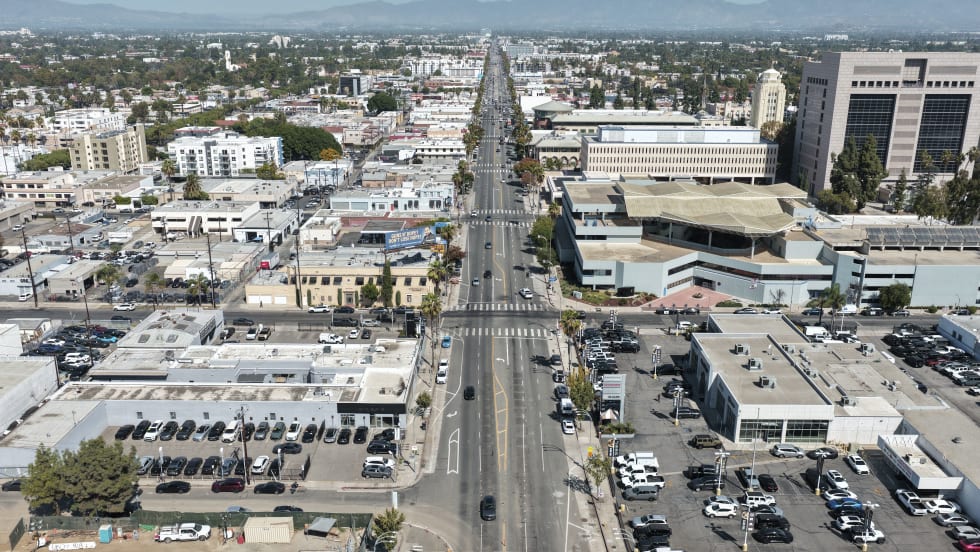
LA Metro Breaks Ground on East San Fernando Valley Light Rail Project
The 6.7-mile line will add 11 stations along Van Nuys Boulevard, expand access to jobs and regional transit connections, and support Metro’s broader efforts to improve mobility as rail ridership grows.
Read More →
CSA Group Releases Climate Resilience Standard for Transit, Passenger Rail
Developed with support from the Standards Council of Canada, CSA D700 guides assessing climate-related risks and planning adaptation measures for transit and passenger rail systems.
Read More →