



Sound Transit to Launch New Fare Compliance Program
Beginning Nov. 15, Seattle’s Sound Transit Fare Ambassadors will issue violations to passengers found to be riding repeatedly without proof of payment.

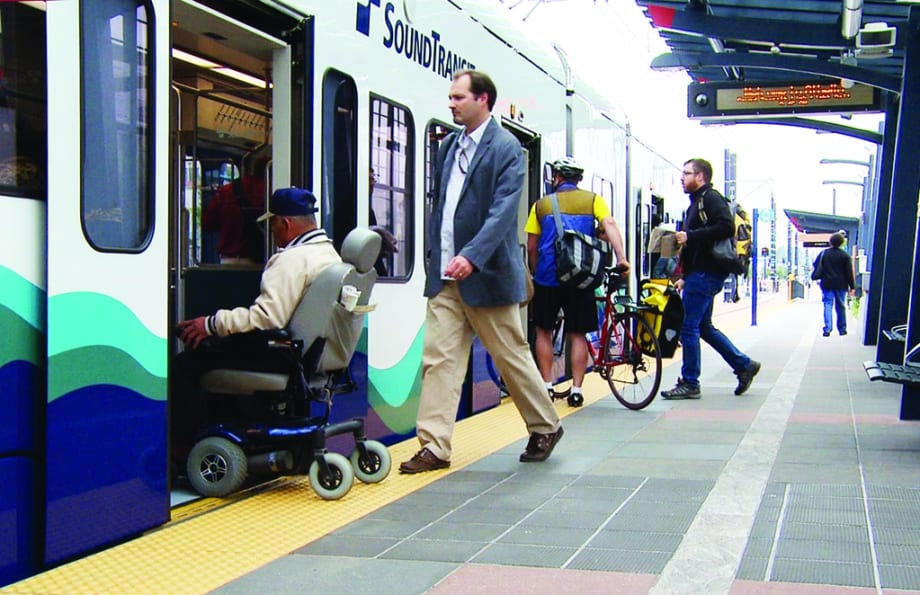
Sound Transit’s new approach to fare compliance was developed in partnership with communities disproportionately impacted by the effects of fare nonpayment.
Photo: Sound Transit
Beginning Nov. 15, Seattle’s Sound Transit Fare Ambassadors will issue violations to passengers found to be riding repeatedly without proof of payment. Fare Ambassadors will continue to inform people about how to sign up for reduced fare programs and provide passenger service.
Sound Transit relies on fare revenue to operate its services. Sound Transit’s board approved the updated fare compliance policy last year. Under the updated policy, passengers without proof of payment will receive two warnings in a 12-month period. Warnings issued to passengers before Nov. 15 will be removed. All passengers will start with zero warnings.
Sound Transit Fine System
On the third and fourth interactions without proof of payment, passengers will be issued violations that can be resolved with Sound Transit through non-monetary options, such as an online class or engagement activity, or with a $50 fine for the third violation, and a $75 fine for the fourth.
Repeat non-payment, which is five or more instances of riding without proof of payment in a 12-month period, will result in a civil infraction, which may be referred to the district court.
Passengers found riding without proof of payment must provide some form of identification for tracking purposes. ID can include:
Valid state-issued identification card or driver’s license.
Valid military identification.
Valid passport or passport card.
Tribal enrollment card.
Current school or employment identification card that displays the full name
Library card.
Utility bill, paystub, bank statement, government check, or government document displaying full name and current address.
Hunting or fishing license.
Medicare, Medicaid, or health insurance card.
Passengers who do not provide valid ID will be asked to exit the train at the next station. Refusal to do so will result in a referral to security. The agency stated it is committed to seeking non-punitive solutions and will continue to refine its programs to prioritize assistance and education.
Additional procedures are currently under development, including direct referrals to social service teams and photo documentation for those without a valid fare and ID. These procedures are not final, however, and will be launched with more information at a future date.
Continuing Partnerships
Sound Transit’s new approach to fare compliance was developed in partnership with communities disproportionately impacted by the effects of fare nonpayment. The agency will continue to track the performance of the program to ensure it meets equity goals and inspection targets.
In conjunction with the updated fare compliance policy, Sound Transit has implemented several programs to ensure everyone has access to fare. Sound Transit reduced ORCA LIFT fares for low-income passengers, continued its partnership with King County Metro to provide subsidized annual passes for qualified passengers, and made fares free for youth 18 and younger.
More Security and Safety

Transit Agencies Highlight Safety Gains at National Summit
Leaders from 15 major transit systems shared crime-reduction results and safety initiatives while discussing the role of continued federal support.
Read More →
DART Launches Major Security, Fare Enforcement Initiative
The 90-day demonstration will deploy coordinated security teams at five light rail stations while testing controlled access and gathering data to guide future investments.
Read More →
RTD Launches NextRide App to Consolidate Trip Planning, Fares, Security Reporting
The app expands on RTD’s existing NextRide web application and allows customers to view real-time vehicle locations and service alerts, purchase and store digital fares, and access customer support.
Read More →

TAPTCO Updates OSHA Compliance Training for Transit Maintenance Operations
The revamped program addresses 26 OSHA standards for maintenance facilities, with TAPTCO pointing to training, documentation, and everyday shop hazards as continuing challenges for transit operations.
Read More →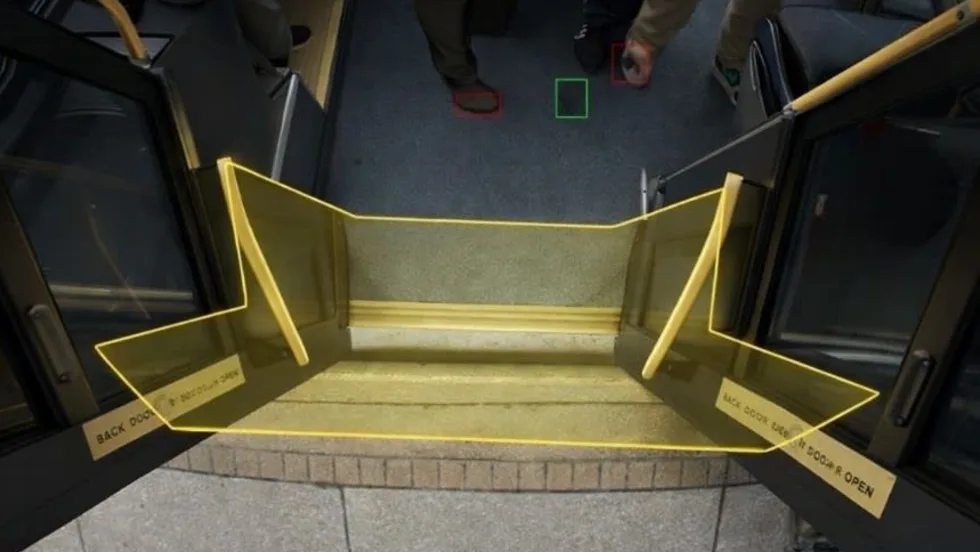
How VaporVision Adds Value to Transit Door Systems
Wabtec engineers explain how the system improves doorway detection, strengthens diagnostics and gives transit agencies and OEMs greater operating flexibility.
Read More →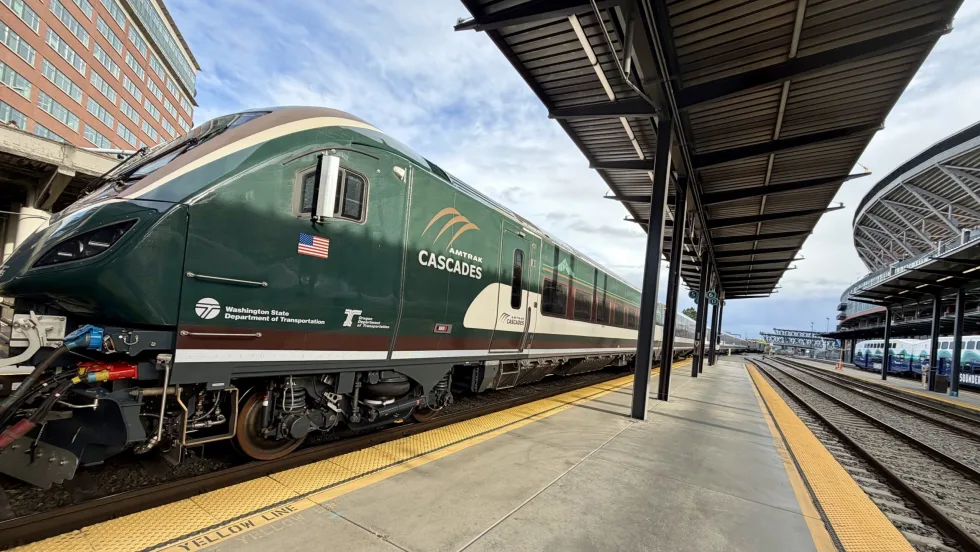
FRA Announces $5.3B in Rail Investments, Including $2B for Amtrak
Funding will support grade-crossing improvements, infrastructure upgrades, and new Amtrak equipment in 23 states.
Read More →
Chicago, Maryland Expand Non-Law-Enforcement Safety, Rider Support
The CTA and MTA are launching new programs aimed at de-escalation, crisis response, rider assistance, and greater transparency.
Read More →
LA Metro, City of West Hollywood, and Partners Advance Smarter Bus Lane Enforcement
The award-winning partnership combines AI-powered detection with human oversight to improve bus reliability, accessibility, and enforcement efficiency.
Read More →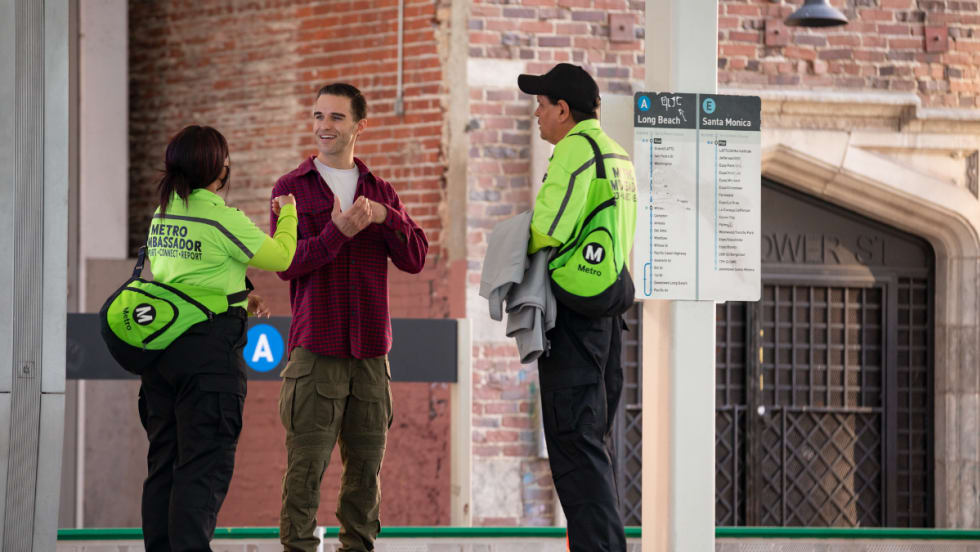
LA Metro Reports 57% Decline in Homelessness on Transit System Since 2024
The agency's latest homelessness count offers new data on how care-based services and cross-sector partnerships can complement traditional transit security strategies.
Read More →
FTA Launches 'Transit Moves America' Dashboard to Highlight Agency Safety and Performance
The online dashboard transforms National Transit Database information into a public-facing resource that allows users to compare transit agencies on key operational and safety metrics.
Read More →