



St. Louis Metro Adds First of Several Battery-Electric Buses
The 60-foot heavy duty buses are manufactured by New Flyer of America Inc. Four 40-foot battery electric buses made by GILLIG are scheduled to be delivered early next year.
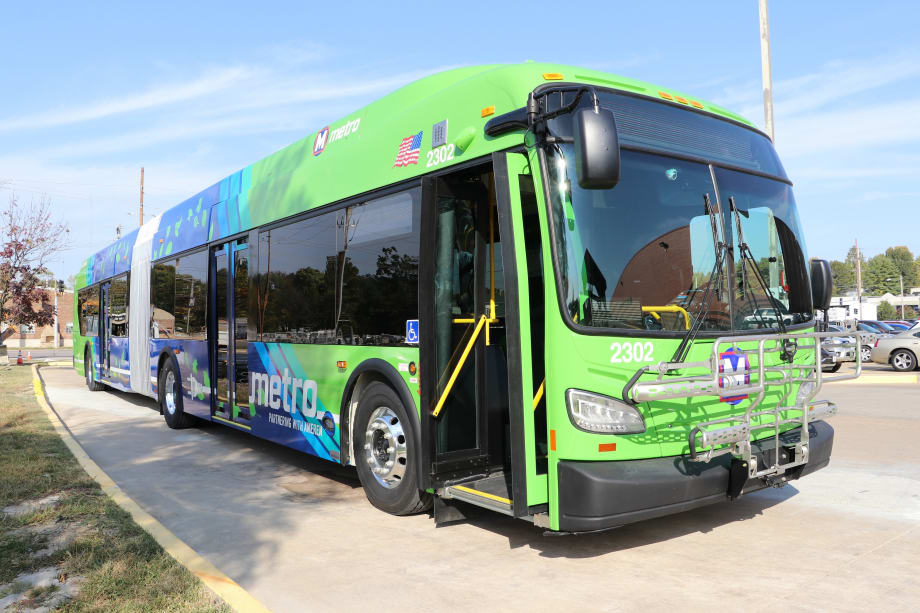
The battery-electric bus program builds on the commitment of Ameren Missouri and Metro Transit to continually find innovative ways to reduce greenhouse gas emissions.
St. Louis Metro
St. Louis’ Metro Transit is preparing for the 2021 launch of its first battery-electric vehicles into MetroBus service thanks to the help of several partners including Ameren Missouri, the Federal Transit Administration (FTA), New Flyer, GILLIG, and the Center for Transportation and the Environment (CTE).
The first two of a total of 14 battery-electric articulated buses have arrived in St. Louis. The 60-foot heavy duty buses are manufactured by New Flyer of America Inc. Four 40-foot battery electric buses made by GILLIG are scheduled to be delivered early next year. All 18 of the zero-emission electric buses are funded through a combination of FTA grants (80%) and local sales tax sources (20%).
“The introduction of these battery-electric buses into the MetroBus fleet next year represents our commitment to providing economically and environmentally sustainable mobility options as well as an excellent transit experience for our riders,” said Jessica Mefford-Miller, Metro Transit executive director. “We will be leaner and greener by introducing this battery electric bus technology, not just with the buses but also through the charging infrastructure and operating facilities.”
Since the articulated battery-electric buses do not have combustion engines or transmission systems, they will offer substantial savings for taxpayers over the life of the buses, which is about 15 years. Metro Transit estimates a savings of about $105,000 in diesel fuel and another $125,000 in maintenance costs over the life of the buses.
The 60-foot battery electric buses have 320 kilowatts of battery storage on each bus, which is enough power to support about 10 2,000-square-foot houses for an entire day. They will operate exclusively on the #70 Grand MetroBus route, which is Metro’s busiest route and carries about 10% of Metro’s customers on a daily basis.
The battery-electric bus program builds on the commitment of Ameren Missouri and Metro Transit to continually find innovative ways to reduce greenhouse gas emissions.
The electric buses will operate out of the Brentwood MetroBus facility where they will be charged overnight each day. They will be recharged while in service at the Broadway & Taylor Transit Center in the City of St. Louis, allowing the buses to operate without interruption throughout an entire service day with the battery electric technology.
The four 40-foot GILLIG battery electric buses will offer similar cost savings and environmental benefits when they are deployed into service on the MetroBus system next year.
Metro Transit plans to start training MetroBus operators and mechanics on the new battery electric buses next month. The current MetroBus fleet of more than 400 clean-burning diesel buses operates in a 550-square mile service area as the main public transportation system in the St. Louis region.
More Zero Emissions
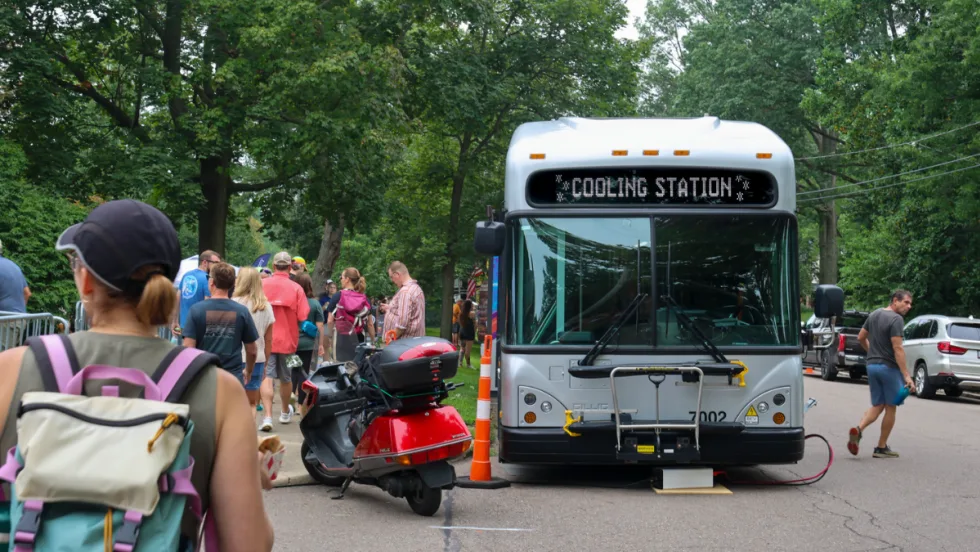
Ohio’s METRO RTA Turns Electric Buses into Mobile Power Sources at PorchROKR
See how three Gillig battery-electric buses powered festival stages while the agency’s new Park & Ride service carried approximately 1,000 attendees, demonstrating another potential use for transit agencies’ electric fleets.
Read More →
CALSTART and Forth Combine to Form Catalyst Mobility
The new name represents a renewed vision for the nonprofit focused on advancing clean, equitable, and affordable transportation solutions that move people and goods.
Read More →
Building a Flexible Path to Transit Electrification
John Hroncich discusses BAE Systems’ modular and scalable approach, lessons learned from decades of real-world operations, and how agencies can identify electrification strategies that fit their fleets.
Read More →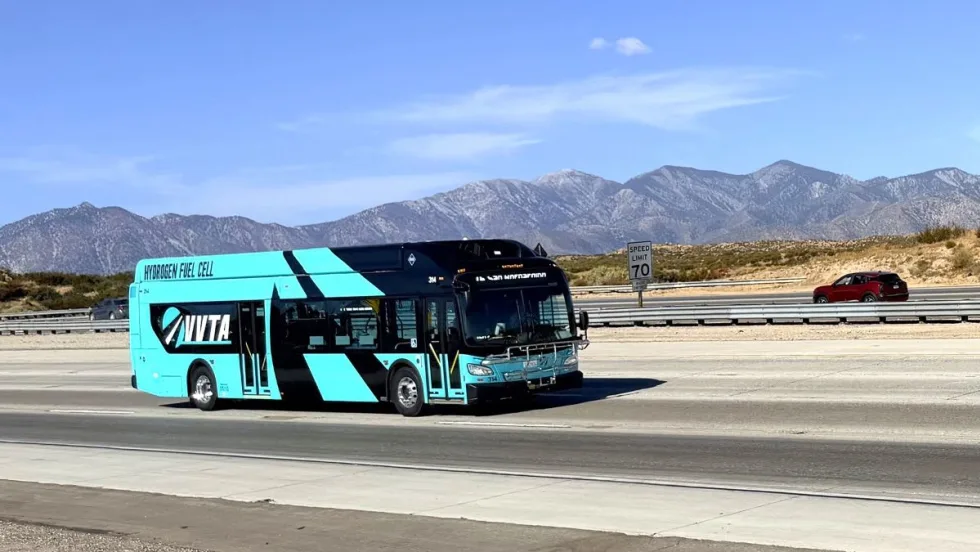
California's VVTA Begins Phased Rollout of Hydrogen Fuel Cell Buses
The agency is introducing 13 zero-emission buses into revenue service while evaluating performance across its urban, rural, and long-distance routes.
Read More →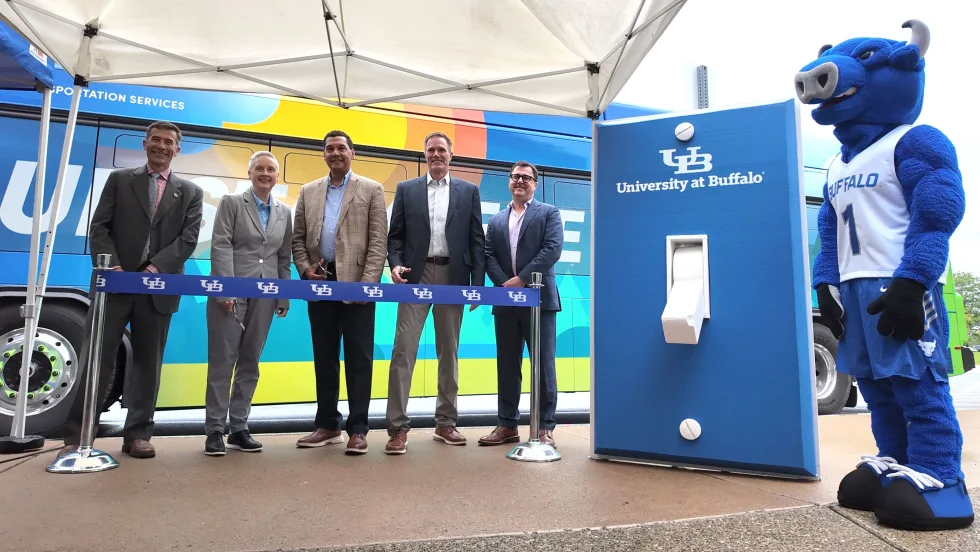
Inside Look: University at Buffalo Puts First 8 Electric Buses Into Stampede Service
UB, transportation solutions provider WeDriveU, and fleet electrification specialist Zenobē marked the deployment in the presence of students, university administrators, and local officials.
Read More →
Biz Briefs: OCTA Taps Clean Energy for Hydrogen Station, Stadler to Supply Via Rail Vehicles, and More
From manufacturers and suppliers to transit agencies and motorcoach operators, these updates offer a snapshot of the projects, partnerships and business moves driving the industry forward.
Read More →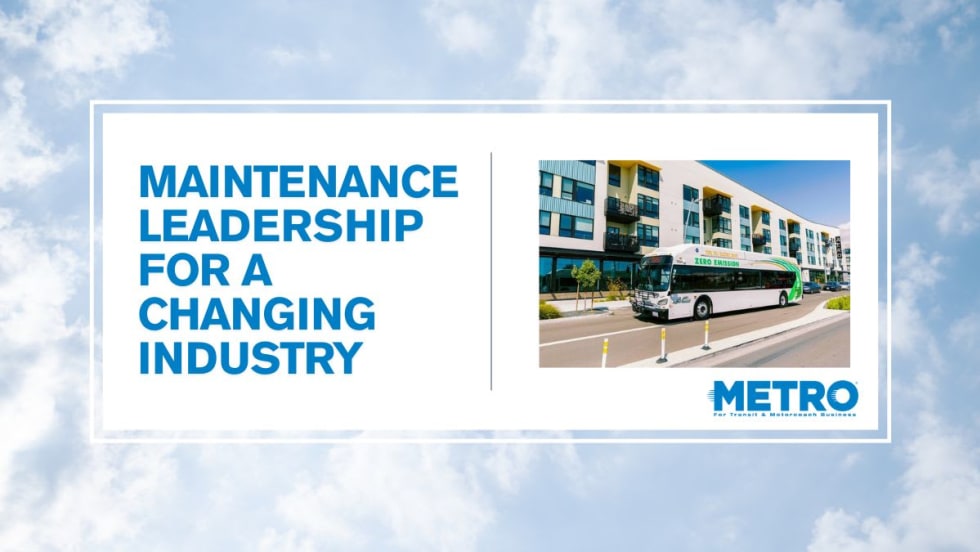
AC Transit’s Cecil Blandon on Building the Next Generation of Transit Maintenance Leaders
The agency’s maintenance chief discusses leadership, workforce development, zero-emission technology, and preparing technicians for the future of public transportation.
Read More →
CTDOT Taps STV for Electric Bus Facility Design
The firm will work with CTDOT and RVT to define the facility layout, operational requirements, and long-term flexibility for RVT’s growing electric fleet.
Read More →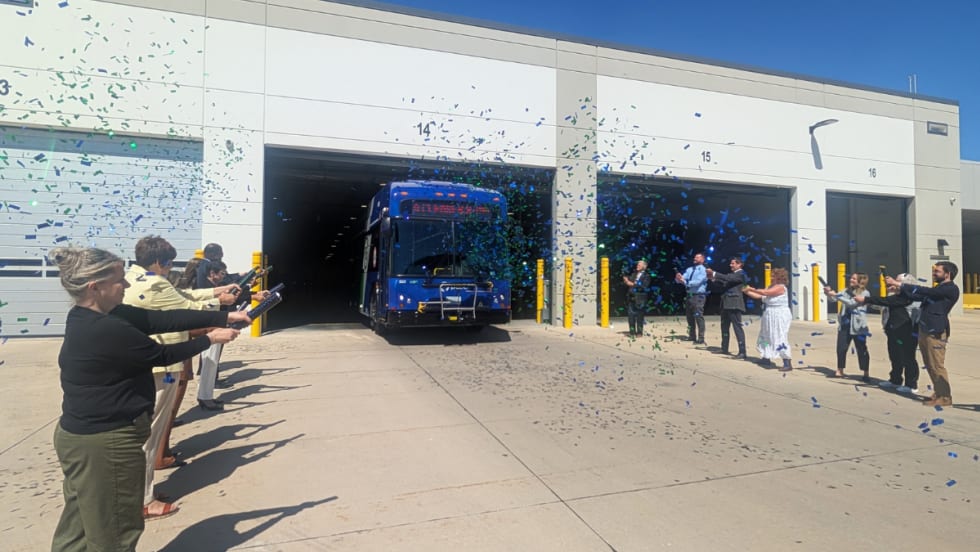
Chicago’s Pace Deploys 24 Hybrid-Electric Buses in Will County
The new buses reduce emissions and fuel consumption while advancing the agency's long-term goal of transitioning to a fully zero-emission fleet.
Read More →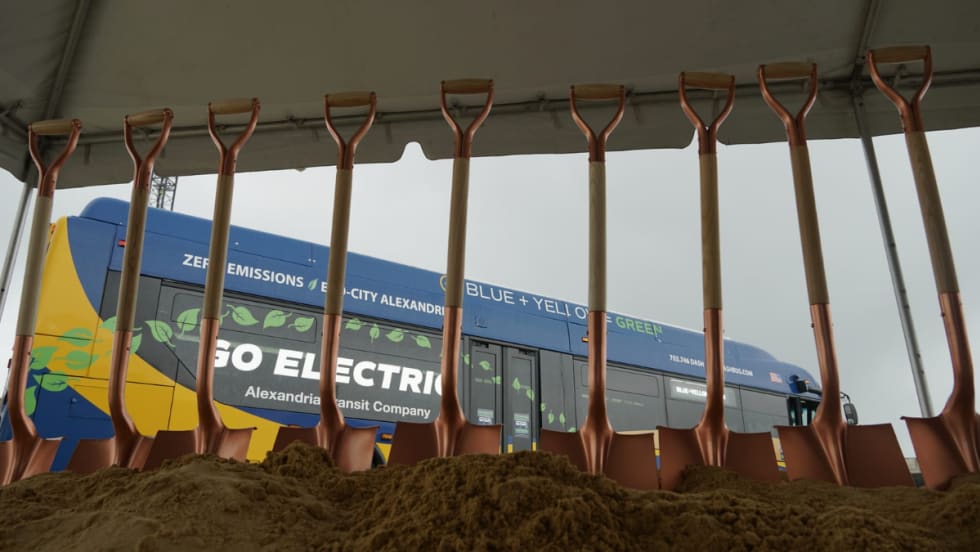
DASH Breaks Ground on First On-Route Electric Bus Chargers in D.C. Region
The fast-charging infrastructure will help extend electric bus range, improve fleet utilization, and support DASH's goal of transitioning to a fully zero-emission fleet.
Read More →