



St. Louis Set to Deploy New Flyer Battery-Electric Buses
Bi-State Development operates the Metro Transit public transportation system for the greater St. Louis region, providing MetroBus, MetroLink light rail, Metro Call-A-Ride paratransit services in eastern Missouri and southwestern Illinois.
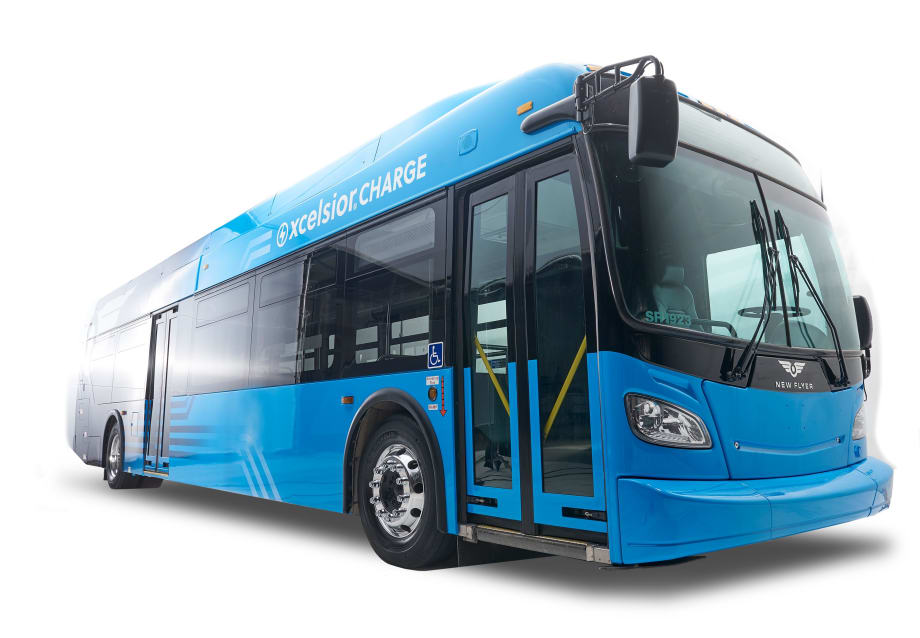
New Flyer
New Flyer of America Inc. delivered two pilot buses to Metro Transit as part of a contract awarded to New Flyer for 14 Xcelsior CHARGE™ battery-electric, 60-foot heavy-duty transit buses (28 equivalent units or “EUs”). To support the deployment, New Flyer Infrastructure Solutions™ was awarded an $8.72 million contract from Bi-State Development, the operator of Metro Transit, for the construction of battery-electric bus charging infrastructure.
The procurement, led by Metro Transit and supported by Federal Transit Administration (FTA) funds, will integrate zero-emission vehicles to supplement the existing MetroBus fleet — becoming the first deployed into regular permanent service in the Metro Transit system.
New Flyer’s Infrastructure Solutions team is partnering with Burns & McDonnell, a Kansas City-based national engineering firm, as well as local teams and experts to complete the planning, engineering, procurement, construction, and commissioning of both long-range depot charging and on-route rapid charging infrastructure.
“Battery electric buses represent our commitment to creating a more environmentally and economically efficient transit system. We will begin the shift to a leaner and greener operation, not just with the battery electric buses but with infrastructure and our operating facilities,” said Metro Transit Executive Director Jessica Mefford-Miller. “We want the best for our region and are looking toward building long-term sustainable mobility options. With New Flyer, we know we can count on quality buses and leading zero-emission technology to provide clean, quiet transportation.”
Bi-State Development operates the Metro Transit public transportation system for the greater St. Louis region, providing MetroBus, MetroLink light rail, Metro Call-A-Ride paratransit services in eastern Missouri and southwestern Illinois. Bi-State Development also owns and operates St. Louis Downtown Airport, the Gateway Arch Riverboats, the trams at the Gateway Arch, and the region’s freight district — the St. Louis Regional Freightway.
More Zero Emissions

Building a Flexible Path to Transit Electrification with BAE's John Hroncich
John Hroncich discusses BAE Systems’ modular and scalable approach, lessons learned from decades of real-world operations, and how agencies can identify electrification strategies that fit their fleets.
Read More →
LA Metro Board Awards 220 Battery-Electric Bus Contract to ENC
The contract, which is the largest base award of battery-electric buses by a U.S. transit agency, will be built in Southern California, sustaining good jobs as LA prepares to welcome the world in 2028
Read More →
Public Transit Conference Returning to GFX in 2027, Call for Papers Now Open
The Call for Papers is now open, allowing transit agency professionals and industry experts to help shape the PTC educational program by submitting session ideas for consideration.
Read More →
Report: Transit Bus Manufacturing Supports 34,100 Jobs, $5.1B in GDP
The “Buses Mean Business” report examines the transit bus manufacturing industry’s economic footprint, supply chain, and rising demand for vehicle replacements.
Read More →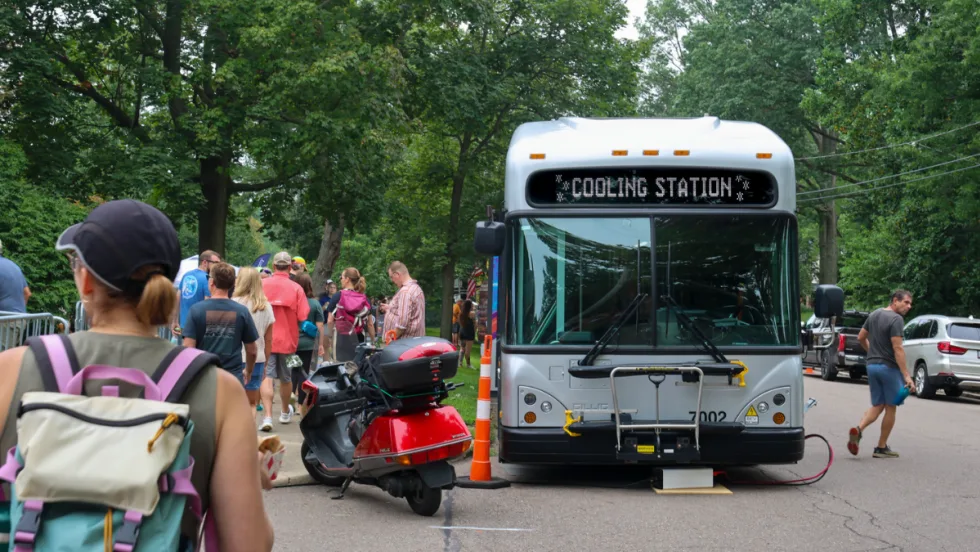
Ohio’s METRO RTA Turns Electric Buses into Mobile Power Sources at PorchROKR
See how three Gillig battery-electric buses powered festival stages while the agency’s new Park & Ride service carried approximately 1,000 attendees, demonstrating another potential use for transit agencies’ electric fleets.
Read More →
CALSTART and Forth Combine to Form Catalyst Mobility
The new name represents a renewed vision for the nonprofit focused on advancing clean, equitable, and affordable transportation solutions that move people and goods.
Read More →
Building a Flexible Path to Transit Electrification
John Hroncich discusses BAE Systems’ modular and scalable approach, lessons learned from decades of real-world operations, and how agencies can identify electrification strategies that fit their fleets.
Read More →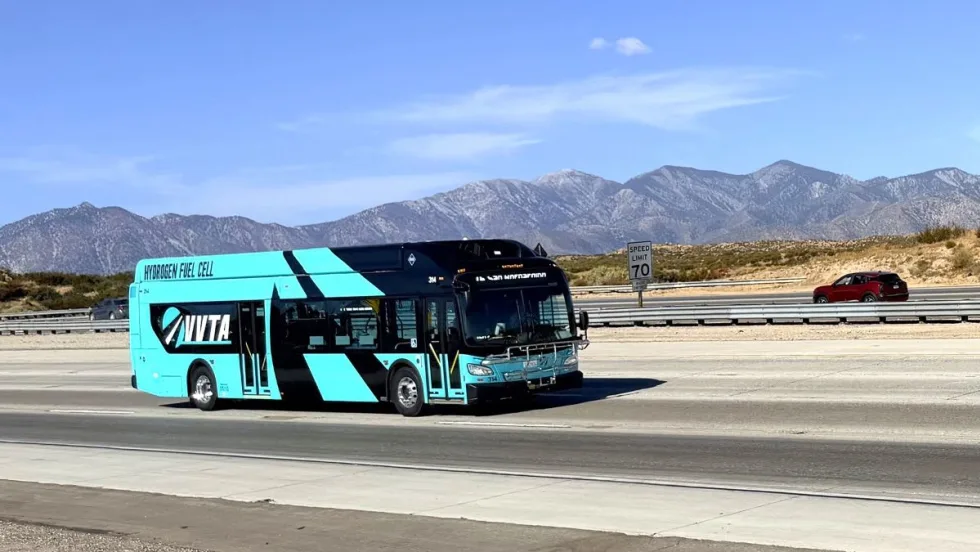
California's VVTA Begins Phased Rollout of Hydrogen Fuel Cell Buses
The agency is introducing 13 zero-emission buses into revenue service while evaluating performance across its urban, rural, and long-distance routes.
Read More →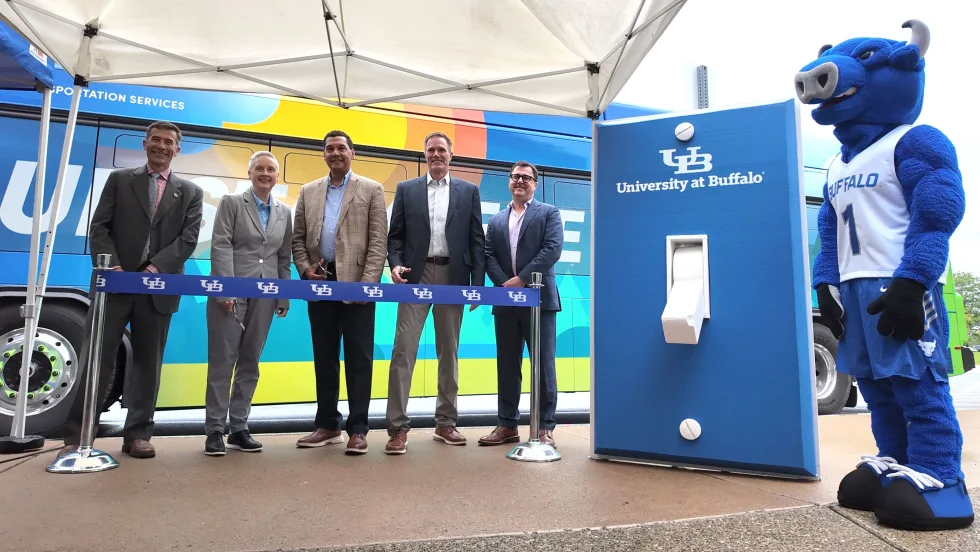
Inside Look: University at Buffalo Puts First 8 Electric Buses Into Stampede Service
UB, transportation solutions provider WeDriveU, and fleet electrification specialist Zenobē marked the deployment in the presence of students, university administrators, and local officials.
Read More →
Biz Briefs: OCTA Taps Clean Energy for Hydrogen Station, Stadler to Supply Via Rail Vehicles, and More
From manufacturers and suppliers to transit agencies and motorcoach operators, these updates offer a snapshot of the projects, partnerships and business moves driving the industry forward.
Read More →