




More News: New York Begins Issuing Violations for Blocking Bus Stops, Double Parking
New York MTA Introduces New Railcars on Staten Island Railway
The first R211S subway cars were put into service on Staten Island Railway, marking the first new train cars on Staten Island in over 50 years.
October 8, 2024
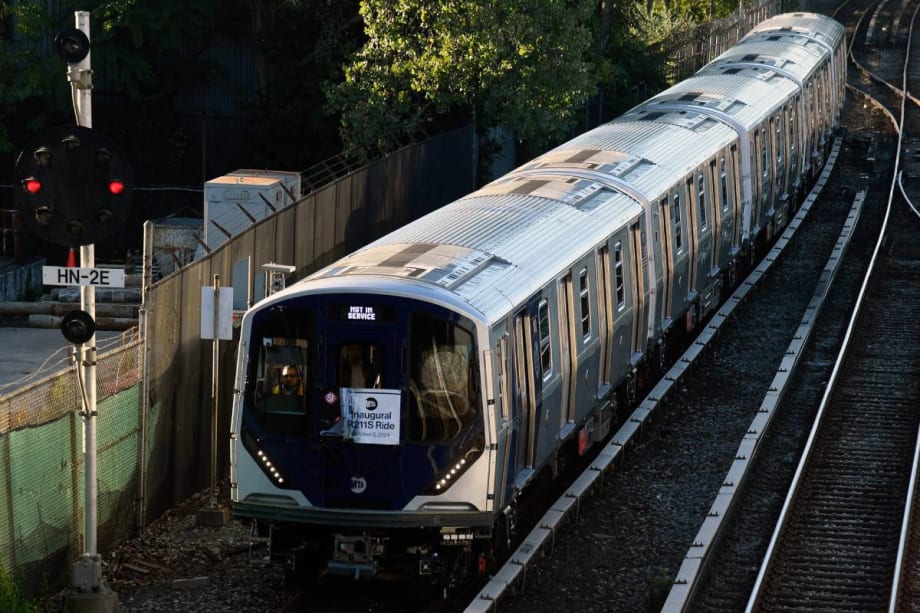
The new cutting-edge R211S subway cars feature wider doors, security cameras, digital route screens, and additional accessibility features.
Photo: Metropolitan Transportation Authority
2 min to read
The Metropolitan Transportation Authority (MTA) New York City launched new R211S subway cars into service on the Staten Island Railway as part of a 535-car order. 440 R211S standard cars, 75 Staten Island Railway Cars, and 20 cars with the open gangway feature were supplied.
Following the announcement, attendees were able to ride the first train in service from St. George Terminal.
Modernizing New York's Rails
The R211S cars are a critical part of MTA’s ongoing modernization efforts, featuring 58-inch-wide door openings designed to speed up boarding and reduce the amount of time trains sit in stations.
The new cars are also six times more reliable than current cars in the fleet, able to travel an average of 240,00- miles between replacements and major repairs.
“These beautiful new train cars are a major investment in transit on Staten Island,” said MTA Chair and CEO Janno Lieber. “Between the train and the 56 bus routes, we take great pride in the service the team delivers to help make Staten Island a great place to live.”
The cars include security cameras, additional accessible seating, digital route displays, and brighter lighting and signage among other features to improve customer experience.
“The new R211S train cars include more accessible seating and wider doorways, making getting on and off easier for all customers,” said MTA Chief Accessibility Officer Quemuel Arroyo. “I look forward to seeing SIR customers experience more reliable and accessible service on these top-of-the-line train cars.”
The Staten Island Railway currently runs R44s, which were implemented in 1973.
More Cars On the Way
In October 2022 MTA announced the MTA Board had approved to order an additional 640 R211S subway cars, bringing the total number of new cars to 1,080 within the next two years.
“These new Staten Island railway cars have been long overdue,” said Staten Island Borough President Vito Fossella. “Staten Island has long been behind the rest of the city in rail transportation, and replacing 50-year-old cars with brand new ones is a welcome development. We support further efforts to improve the commuter experience for the Staten Islanders who rely on the train for their day-to-day lives.”
More Rail

New York MTA Advances Final Contract for Second Avenue Subway Expansion
Contract Four is the largest in the Second Avenue Subway Phase 2 project and includes construction of station infrastructure, tracks, and signals for the subway expansion, MTA officials said. Work on Contract Four will begin in 2027.
Read More →
San Diego MTS Breaks Monthly Trolley Ridership Record
Agency officials said July’s ridership indicates MTS’s continued recovery from the pandemic.
Read More →
Report Examines NJ TRANSIT Reliability, Funding Challenges
The Garden State Initiative analysis examines the roles of Amtrak infrastructure, fleet management, and agency operations while recommending a more performance-based approach to improving reliability.
Read More →
Stadler, CapMetro Sign Long-Term Rail Fleet Support Agreement
Beginning in 2027, Stadler will provide on-site technical expertise, spare parts support, training, and obsolescence management to help extend the reliability and longevity of CapMetro’s GTW fleet.
Read More →
Biz Briefs: Alstom Lands Canadian Contract, LYT to Supply California TSP, and More
In METRO's latest installment, we take a look at recent news from Complete Coach Works, Beep, FlixBus, and more partnerships making headlines across the transportation sector.
Read More →
CATS Gold Line Marks 5 Years of Service, 2.8M Passenger Trips
With a six-mile expansion planned, the Charlotte streetcar is positioned to connect more neighborhoods and major transit hubs across the region.
Read More →
Why Simulating Pedestrian Movement Has Become Essential for Modern Rail Stations
Pedestrian microsimulation is helping rail planners identify bottlenecks, test station designs, and prepare complex transit hubs for growing passenger volumes.
Read More →
Amtrak Begins Major Construction at New York’s Sunnyside Yard
The new maintenance facility will support Amtrak’s Airo trainsets while improving maintenance efficiency and turnaround times in New York.
Read More →
Chicago Leaders Unveil Plans for O’Hare Airport Express Train
The privately developed project would offer a 15-minute trip between downtown and O’Hare’s Terminal 2, with trains operating every 15 minutes on a dedicated track. The service would use battery-electric trains and three existing freight rail rights-of-way.
Read More →
OCTA Maps Out 30-Year Strategy to Protect Coastal Rail Corridor
The draft feasibility report identifies strategies to protect the coastal rail line for decades as the agency continues near-term stabilization and sand placement efforts.
Read More →