



Storms create university transit staffing issues
Some schools do not classify student workers as “essential/emergency support employees” and thus cannot require them to work during weather emergencies.

Recent winter storms across many parts of the U.S. have created operational challenges for university transit systems. One the key difficulties is finding enough drivers to cover routes, especially during severe weather such as a snowstorm.
Part of the problem is that many colleges and universities hire students to drive campus buses. Some schools, such as the University of Connecticut, do not classify student workers as “essential/emergency support employees” and thus cannot require them to work during weather emergencies.
“Yet the university still expects full bus service, or some semblance thereof, during all weather conditions,” said Janet Freniere, transportation services administrator at the University of Connecticut at Storrs. Even when classes are canceled due to inclement weather, the university provides bus service, she said.
Freniere said 90 percent of her bus drivers are students, causing concerns about covering routes during bad weather. “Luckily, a lot of them stay or come in anyway,” she said. But Freniere is considering hiring more non-student drivers, figuring that will lead to “a lot fewer headaches.”
At Indiana University (IU) in Bloomington, the campus bus service covers most of its day routes from Monday through Friday with full-time, non-student drivers. Part-time student drivers help to cover evenings and weekend service.
Kent McDaniel, executive director of IU’s Transportation Services, said he cannot require his drivers to work at any time. “But we can expect them to show up for the work assignments they have committed to work and can discipline them for failing to show up,” he said.
“We are sympathetic when the weather is a big factor,” McDaniel added. During a recent snowstorm, Indiana University took the rare measure of shutting down, but maintained as much bus service as it could.
“We had pretty good cooperation from our drivers,” McDaniel said. “Our drivers are considered emergency/essential employees, but all that really means is that they get special IDs so they won’t be arrested for driving to work during weather emergencies.”
At the University of New Hampshire (UNH) in Durham, student bus drivers are up to the challenge of driving in inclement weather. “However, if the situation requires, we might replace an inexperienced driver with one who has more miles under his or her belt,” said Marc Laliberte, transportation operations manager for University Transportation Services.
Making things a bit less complicated, when UNH cancels or curtails classes, it does the same with its bus service. “Our bus service will start earlier and end later than the posted curtailment/cancellation, but ultimately it will shut down as well,” Laliberte said.
More Bus
Brian Dickson on Building Stronger, More Resilient Transportation Organizations
Bus Business Consultants Founder Brian Dickson discusses the leadership principles, operational discipline, and strategic planning that separate transportation companies positioned for long-term success from those stuck in survival mode.
Read More →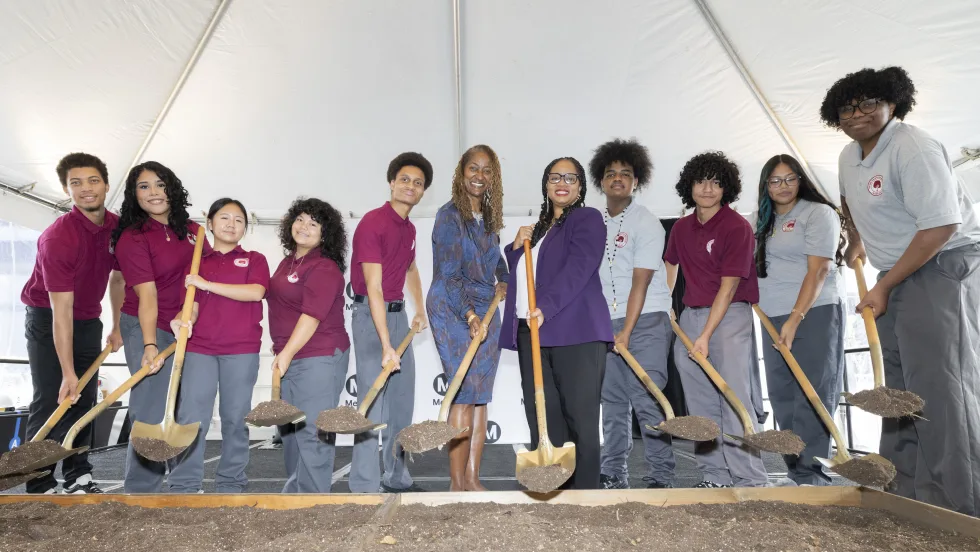
LA Metro Breaks Ground on Vermont BRT Project
The 12.4-mile corridor is projected to serve 66,200 daily riders, reduce travel times by up to 24%, and create the nation's busiest bus rapid transit corridor.
Read More →
Roman Cornell on ABC Companies’ Evolution and the Future of Passenger Transportation
The company’s CEO discusses carrying forward a third-generation family legacy, ABC’s continued evolution in passenger transportation, support for increasingly complex fleets, and how technology and continued investment could help operators improve uptime.
Read More →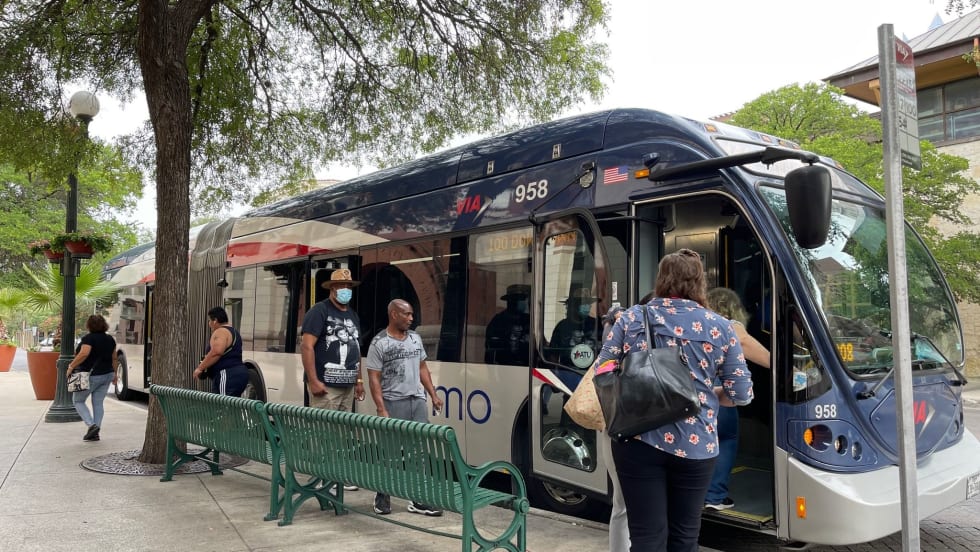
VIA Bus Ridership Grows 10.1% Through August 2026
San Antonio's VIA Metropolitan Transit reported the highest bus ridership growth among major Texas transit systems. Federal Transit Administration data ranked it second among the nation's 50 largest transit systems.
Read More →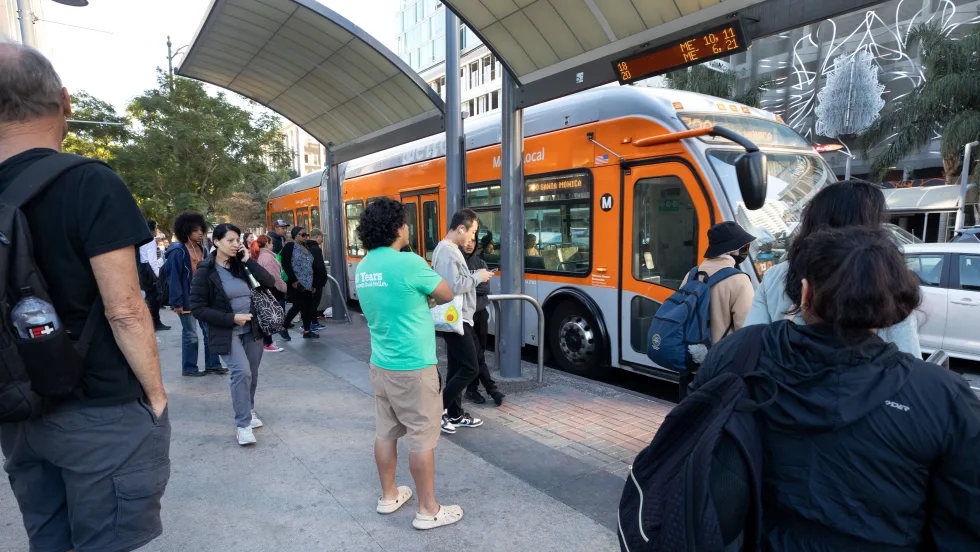
LA Metro September Ridership Climbs 3.9%, Led by Rail Growth
The agency recorded more than 27.2 million boardings, with rail ridership increasing 12.4% year over year and the D Line posting the largest gains.
Read More →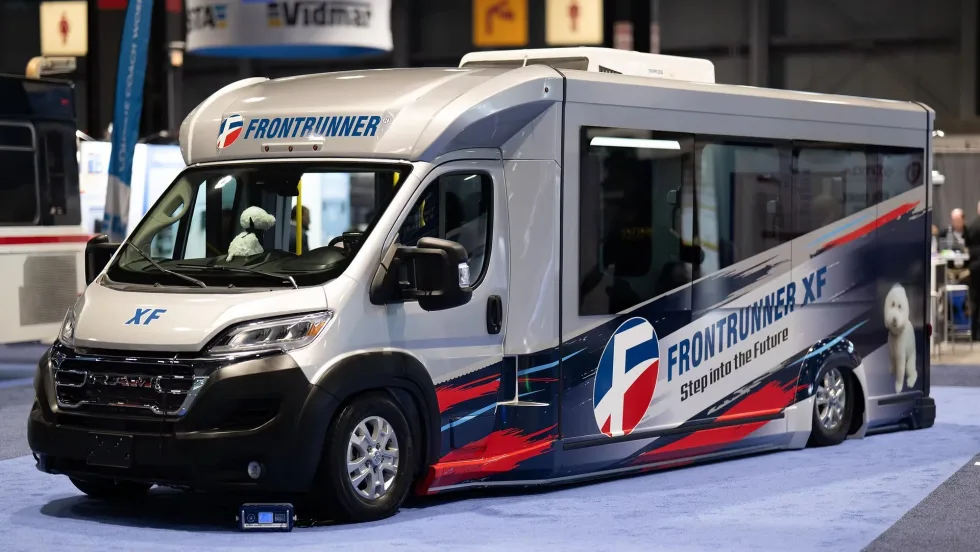
Frontrunner Bus Group Introduces XF Low-Floor Bus with Enhanced Accessibility
The new mid-sized bus features a full flat-floor design, eight-inch curbside step-in height, and zero-entry rear ramp to improve passenger access and operational flexibility.
Read More →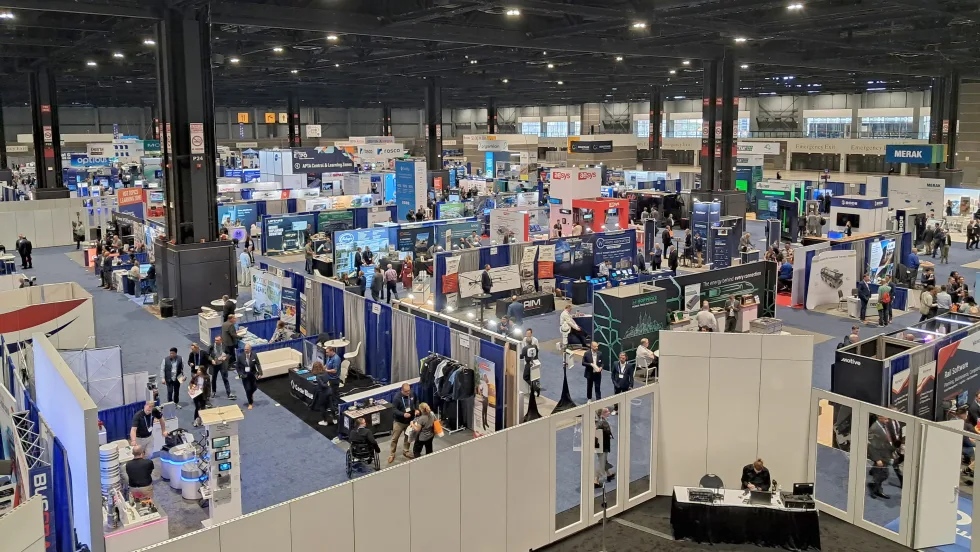
Scenes from APTA TRANSform & EXPO 2026
Transit leaders, manufacturers, and industry professionals gathered in Chicago to explore new technologies, share ideas, and discuss the future of public transportation.
Read More →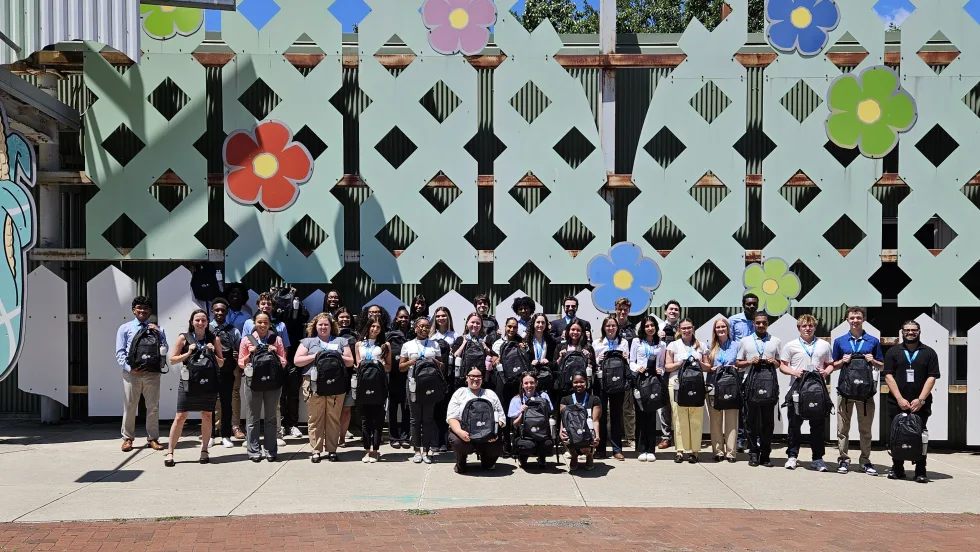
More Than a Summer Job: Building the Next Generation of Transit Talent
The Delaware River Port Authority and PATCO have transformed their internship program into a hands-on professional development experience that introduces students to the breadth of transportation careers — and creates a pipeline for future employees.
Read More →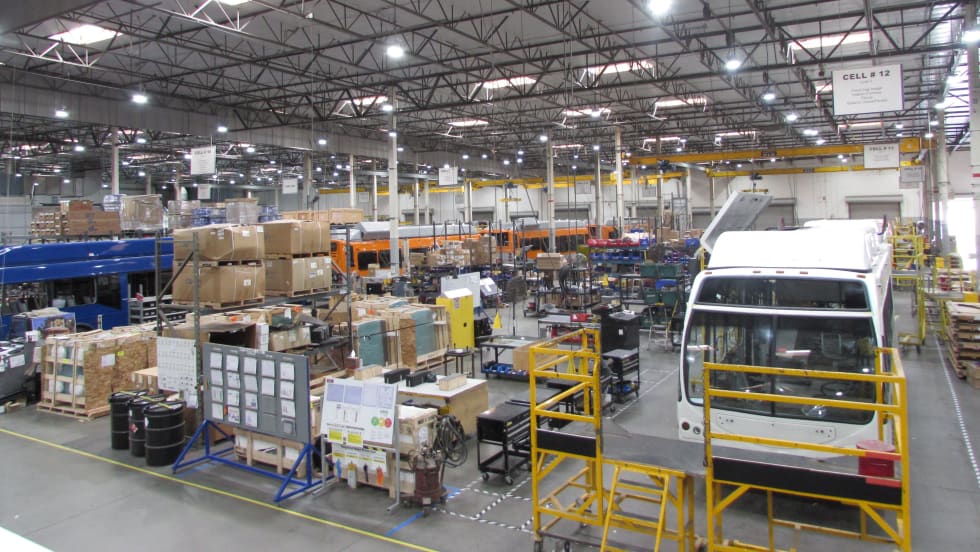
LA Metro Board Awards 220 Battery-Electric Bus Contract to ENC
The contract, which is the largest base award of battery-electric buses by a U.S. transit agency, will be built in Southern California, sustaining good jobs as LA prepares to welcome the world in 2028
Read More →
Public Transit Conference Returning to GFX in 2027, Call for Papers Now Open
The Call for Papers is now open, allowing transit agency professionals and industry experts to help shape the PTC educational program by submitting session ideas for consideration.
Read More →