



Supreme Court rules on bus searches
The U.S. Supreme Court ruled today that the police may search bus passengers and their luggage for drugs or weapons without first telling them of their rights.

The U.S. Supreme Court ruled today that the police may search bus passengers and their luggage for drugs or weapons without first telling them of their rights. The ruling gives police guidance on how to approach and search passengers. The court ruled 6-3 that officers in Tallahassee, Fla., were within their rights as they questioned and searched two men aboard a Greyhound bus in 1999. Justice Anthony M. Kennedy, writing for the majority, said the passengers did not have to be told that they didn't have to cooperate. "Bus passengers answer officers' questions and otherwise cooperate not because of coercion, but because the passengers know that their participation enhances their own safety and the safety of those around them," he wrote. The case focused on the difference between police questioning on a bus and in a less confining environment, like a sidewalk. In both cases, police would need persmission or probable cause to search someone but, on the street, the person being stopped could refuse to cooperate and keep walking. The case is United States v. Drayton, 01-631.
More Management
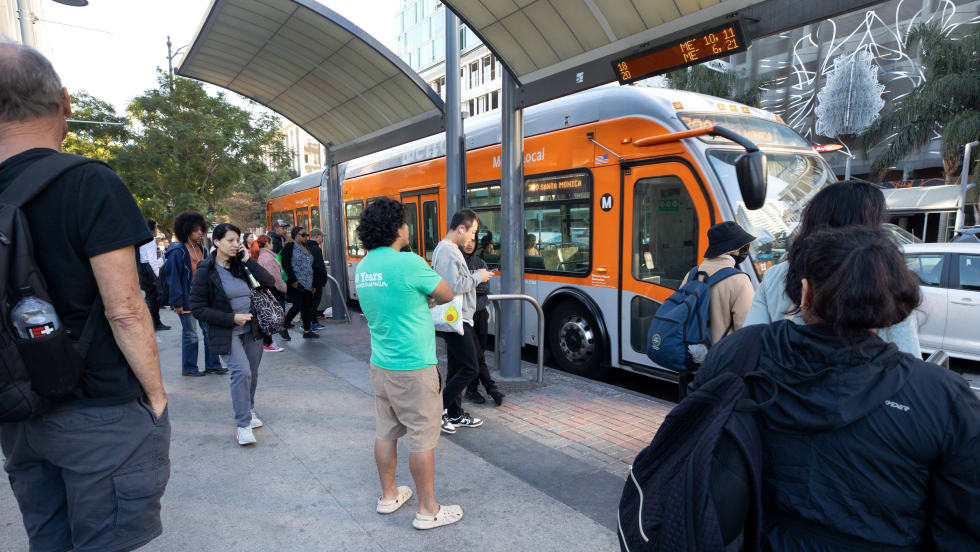
LA Metro Ridership Continues Growth as Rail Gains Accelerate
New rail connections and major events help drive continued ridership gains, with Metro recording its eighth consecutive month of year-over-year rail growth.
Read More →
TransDASH Summit Focuses on Measuring What Matters in Transit
Transit agencies unveil a national performance platform designed to benchmark customer experience, safety, community value, and other outcomes.
Read More →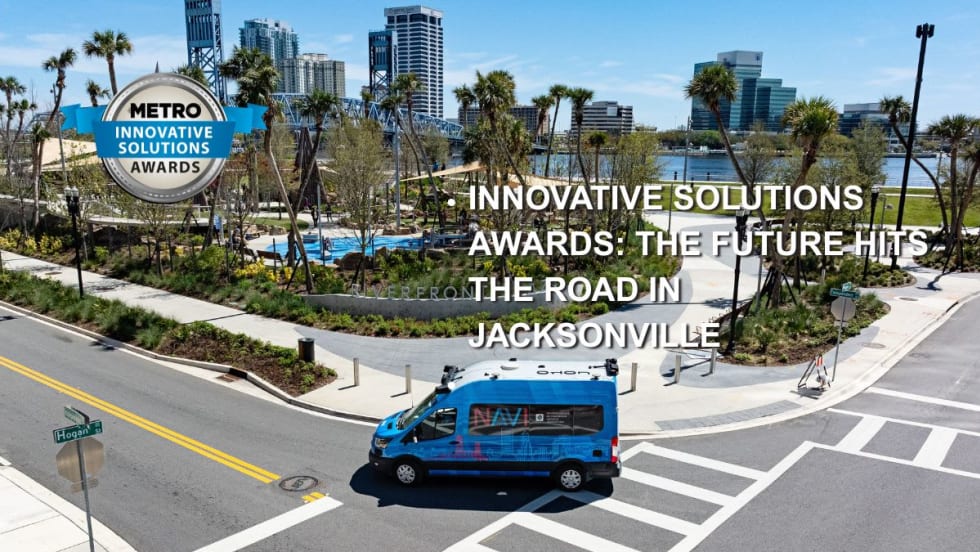
Jacksonville’s NAVI Project Charts a New Course for Autonomous Public Transportation
Through its NAVI program, JTA is showing how autonomous vehicles, intelligent infrastructure, and coordinated operations can work together to deliver everyday public transportation.
Read More →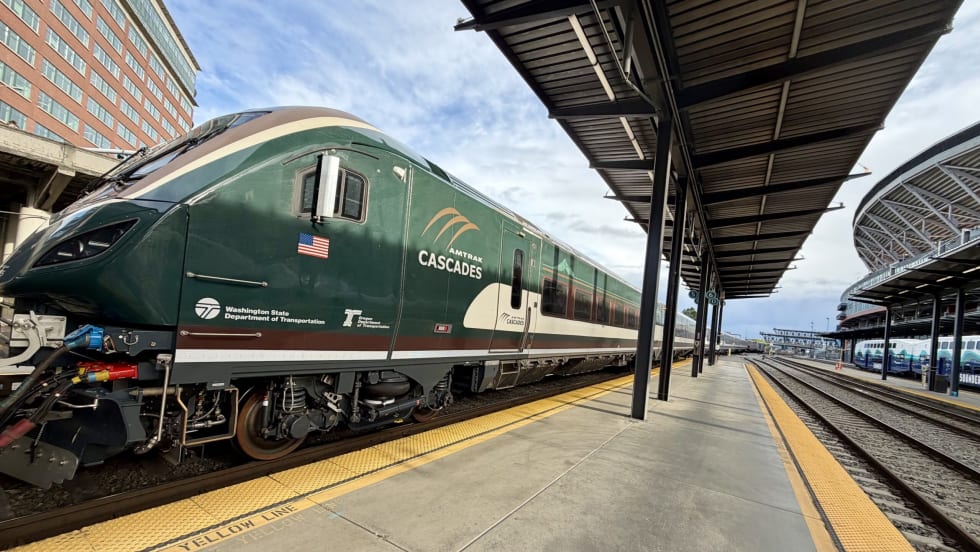
FRA Announces $5.3B in Rail Investments, Including $2B for Amtrak
Funding will support grade-crossing improvements, infrastructure upgrades, and new Amtrak equipment in 23 states.
Read More →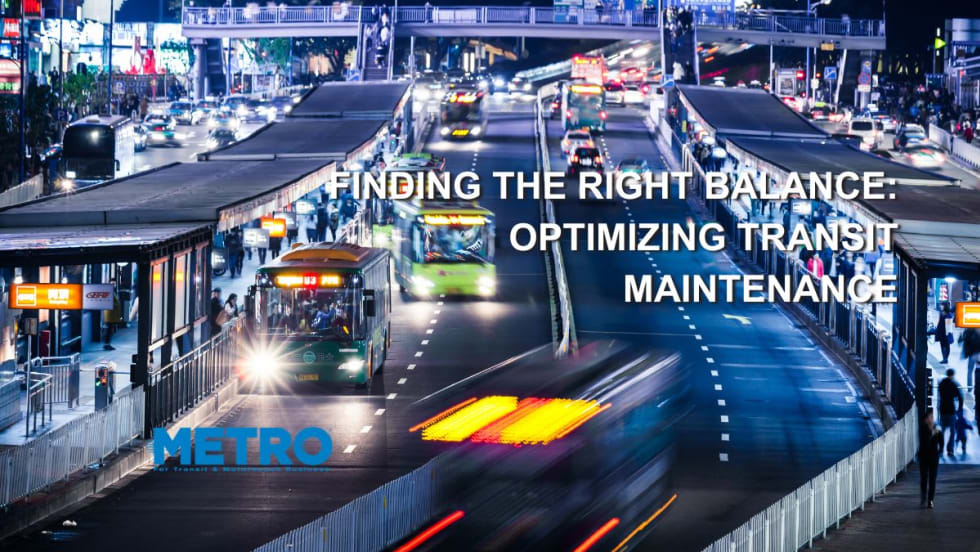
Finding the ‘Happy Medium’: Optimizing Maintenance Without Sacrificing Reliability
The key to maintenance optimization isn’t doing less work—it’s doing the right work at the right time on the right assets.
Read More →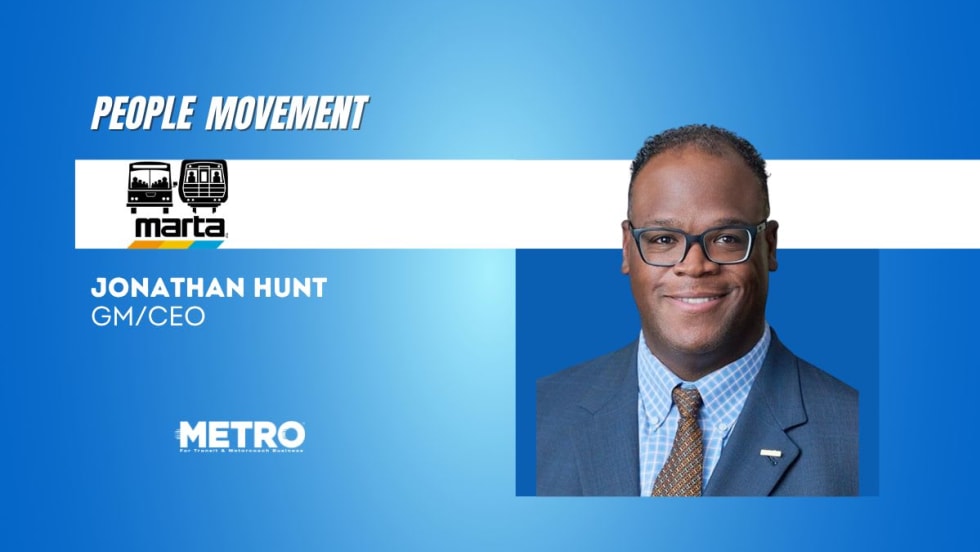
People Movement: MARTA Drops Interim Tag on GM/CEO Hunt and More
In this edition, METRO covers recent appointments and announcements at the FMCSA, HDR, SilverRide, and more, showcasing the individuals helping to shape the future of transportation.
Read More →
VIA Metropolitan Transit Reports 2 Million More Passenger Trips as Better Bus Plan Gains Momentum
San Antonio's transit agency said accelerated service improvements are driving ridership growth, offering another example of how increased frequency and workforce investments can translate into stronger transit performance.
Read More →
ABAF Study Reveals Growing Insurance Crisis for Motorcoach Operators
Preliminary findings show 98% of operators faced premium increases over the past five years, while shrinking insurer participation is putting added pressure on businesses and customers.
Read More →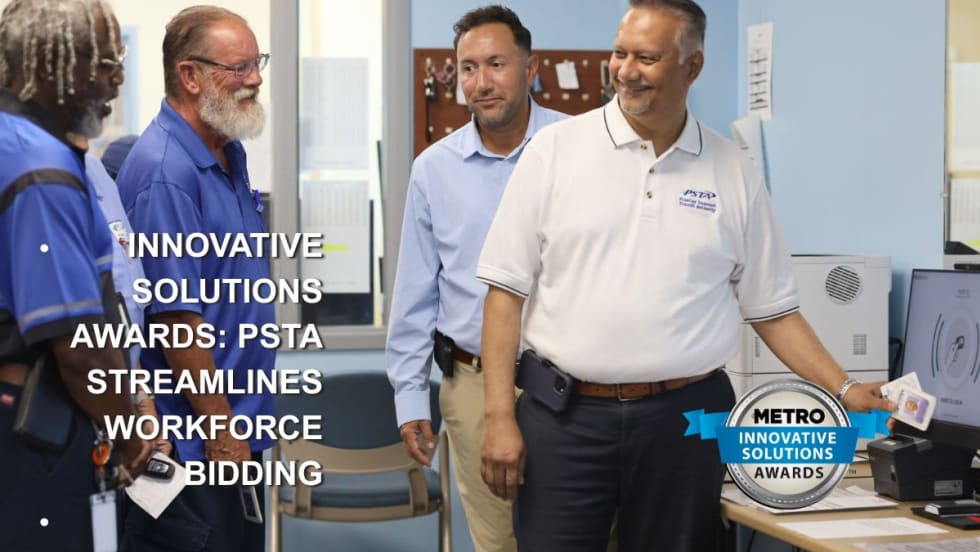
PSTA Modernizes Workforce Management with Digital Bidding System
The award-winning Workforce Transit Modernization project replaced paper bidding with a transparent digital platform, cutting administrative effort while improving access for operators.
Read More →
Chicago to Host Public Transportation's Biggest Gathering at APTA TRANSform & EXPO 2026
North America’s largest public transportation gathering returns to Chicago, connecting transit decision-makers with the technologies, ideas, and partnerships driving the industry forward.
Read More →