




RELATED: New financing tools make electric-bus buying easier
Toolkit to help local N.Y. governments switch to all-electric vehicles
Designed to be a one-stop shop that includes partnerships, state and federal grant programs, and other incentives.
September 10, 2019
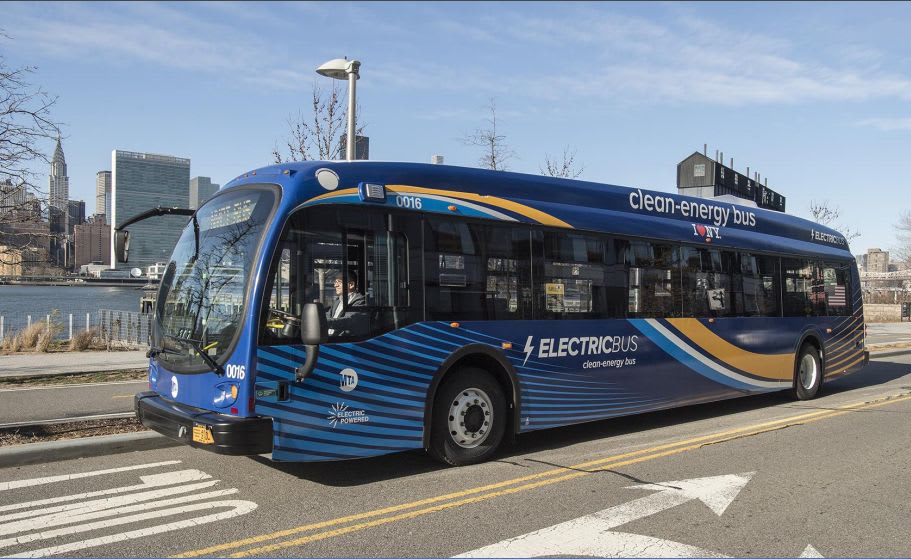
New York MTA's electric bus pilot using a Proterra battery electric bus.
NYMTA
2 min to read
New York MTA's electric bus pilot using a Proterra battery electric bus.
NYMTA
A New York-based environmental advocacy coalition released an electric vehicle municipal toolkit designed to help local governments transition their vehicle fleets away from fossil fuels and increase electric vehicle (EV) infrastructure. The Toolkit, developed by ElectrifyNY, will educate and mobilize local elected officials as they work to cut down on climate pollution and prepare for a clean, renewable energy future. The toolkit was designed to be a one-stop shop that includes partnerships, state and federal grant programs, and other incentives, according to the coalition.
Local governments are vital in the conversion to a renewable energy future, ElectrifyNY said in a statement. This past June, the Nassau County Legislature passed Local Law 12, which provides a long-term plan to incorporate electric vehicle fleets, EV charging infrastructure, and solar energy installations into all County operations. Steps like this will be enhanced by the comprehensive toolkit, as well as help jumpstart additional actions by local municipalities statewide.
With the recent signing into law of the groundbreaking Climate Leadership and Community Protection Act (CLCPA), New York State has emerged as a national climate leader. This legislation acts as a blueprint to move all sectors of the state’s economy off fossil fuels — including the transportation sector, which is the state’s largest source of climate pollution. As envisioned by the CLCPA, local municipalities must now lead by example and help with this transition by focusing on building renewable energy infrastructure.
Excerpt from the EV Municipal Toolkit:
Aside from the health and environmental benefits that come with reductions in air pollution, transitioning to electric vehicles will bring significant economic benefits to households, businesses, and governments. Electric vehicles are simply more efficient than their gas-guzzling counterparts, costing 50 to 70 percent less to operate. Electric vehicles have fewer moving parts than those powered by internal combustion engines, meaning a reduction in maintenance costs, which can be significant when it comes to managing municipal fleets. Fuel savings over the life of an electric vehicle can add up to thousands of dollars.
More Zero Emissions

Building a Flexible Path to Transit Electrification with BAE's John Hroncich
John Hroncich discusses BAE Systems’ modular and scalable approach, lessons learned from decades of real-world operations, and how agencies can identify electrification strategies that fit their fleets.
Read More →
LA Metro Board Awards 220 Battery-Electric Bus Contract to ENC
The contract, which is the largest base award of battery-electric buses by a U.S. transit agency, will be built in Southern California, sustaining good jobs as LA prepares to welcome the world in 2028
Read More →
Public Transit Conference Returning to GFX in 2027, Call for Papers Now Open
The Call for Papers is now open, allowing transit agency professionals and industry experts to help shape the PTC educational program by submitting session ideas for consideration.
Read More →
Report: Transit Bus Manufacturing Supports 34,100 Jobs, $5.1B in GDP
The “Buses Mean Business” report examines the transit bus manufacturing industry’s economic footprint, supply chain, and rising demand for vehicle replacements.
Read More →
Ohio’s METRO RTA Turns Electric Buses into Mobile Power Sources at PorchROKR
See how three Gillig battery-electric buses powered festival stages while the agency’s new Park & Ride service carried approximately 1,000 attendees, demonstrating another potential use for transit agencies’ electric fleets.
Read More →
CALSTART and Forth Combine to Form Catalyst Mobility
The new name represents a renewed vision for the nonprofit focused on advancing clean, equitable, and affordable transportation solutions that move people and goods.
Read More →
Building a Flexible Path to Transit Electrification
John Hroncich discusses BAE Systems’ modular and scalable approach, lessons learned from decades of real-world operations, and how agencies can identify electrification strategies that fit their fleets.
Read More →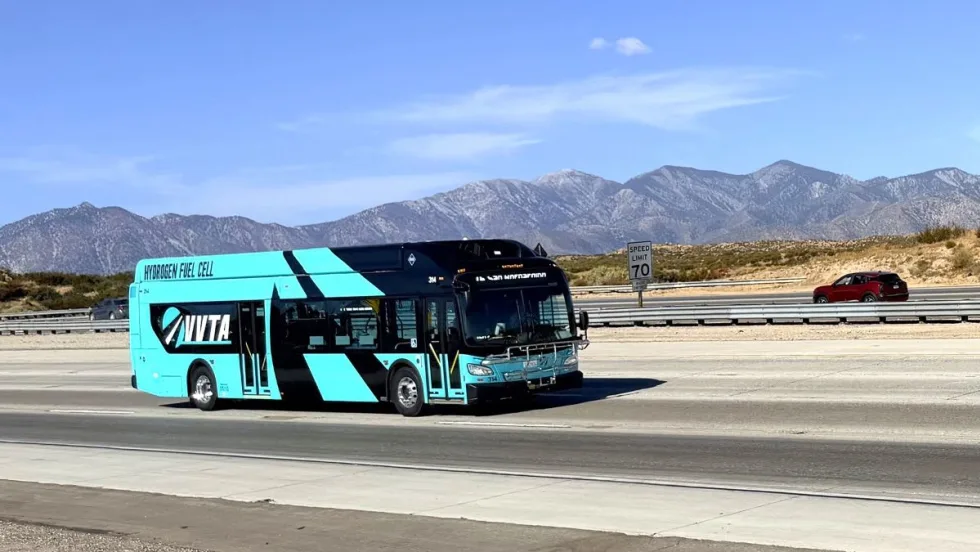
California's VVTA Begins Phased Rollout of Hydrogen Fuel Cell Buses
The agency is introducing 13 zero-emission buses into revenue service while evaluating performance across its urban, rural, and long-distance routes.
Read More →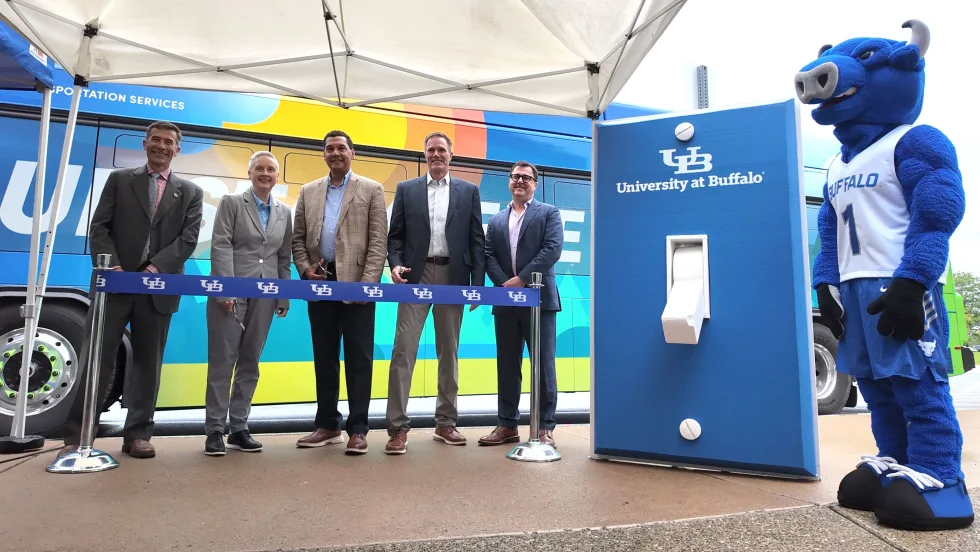
Inside Look: University at Buffalo Puts First 8 Electric Buses Into Stampede Service
UB, transportation solutions provider WeDriveU, and fleet electrification specialist Zenobē marked the deployment in the presence of students, university administrators, and local officials.
Read More →
Biz Briefs: OCTA Taps Clean Energy for Hydrogen Station, Stadler to Supply Via Rail Vehicles, and More
From manufacturers and suppliers to transit agencies and motorcoach operators, these updates offer a snapshot of the projects, partnerships and business moves driving the industry forward.
Read More →