



Transdev to provide first mile, last mile solutions in Tampa
Will deliver innovative digital solutions to open new public transit access for Tampa residents needing a ride.



Transdev will deliver innovative digital solutions to open new public transit access for Tampa residents needing a ride.
Hillsborough Area Regional Transit (HART) required a ridesharing solution that could help transport residents typically unable to access public transit due to their distance from the transit network, from their home to four targeted bus stops. The “first mile, last mile” program, called HART HyperLINK, will also provide rides to deliver them home when their bus trip concludes. The subsidized ride shares will cost residents $3 each way.
Related: HART teams for digital ad project
HART cited Transdev’s digital routing experience, the company’s approach to meeting the needs of transit riders with accessible vehicles and communication portals as reasons for the contract win. Transdev will introduce a new smartphone app to HART designed to solve many first mile, last mile problems transit agencies face throughout the country.
First mile, last mile solutions are desirable because they open up public transit access to residents who typically fall outside of the system’s scope based on geographical limitations of the transit network. Traditional for-hire providers are often too expensive to justify the expense of the short ride. The subsidized rides give transit access to residents and increase ridership for public transportation agencies.
Related: Agency to launch pilot with ridesharing and taxi companies
The pilot program will focus first on four select bus stops. Residents living within a certain radius of those stops will have the opportunity to test the app. Transdev is anticipating the pilot program will eventually lead to an expansion of the first mile, last mile initiative. A grant from the Florida Department of Transportation will fund the two-year-pilot.
More New Mobility
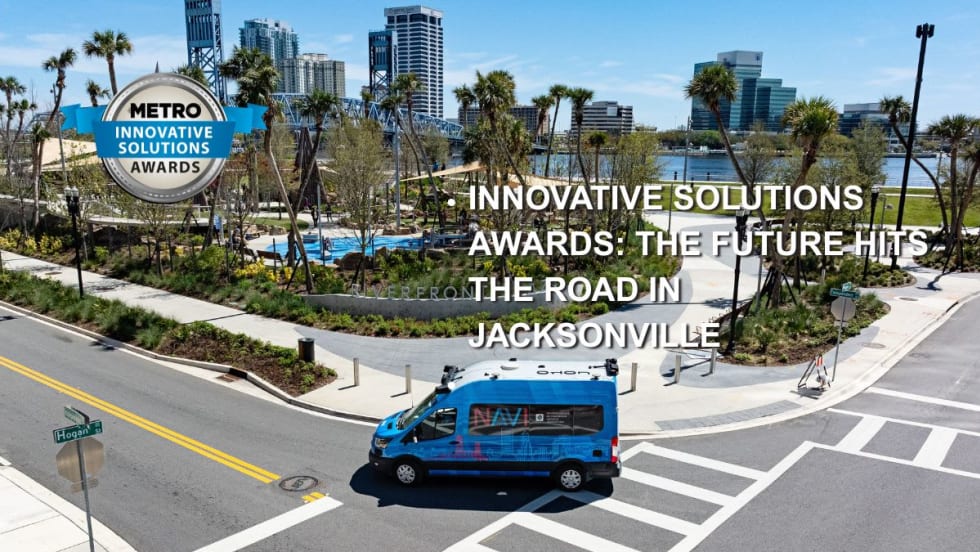
Jacksonville’s NAVI Project Charts a New Course for Autonomous Public Transportation
Through its NAVI program, JTA is showing how autonomous vehicles, intelligent infrastructure, and coordinated operations can work together to deliver everyday public transportation.
Read More →
Biz Briefs: Luminator Marks Milestone and More
From manufacturers and suppliers to transit agencies and motorcoach operators, these updates offer a snapshot of the projects, partnerships and business moves driving the industry forward.
Read More →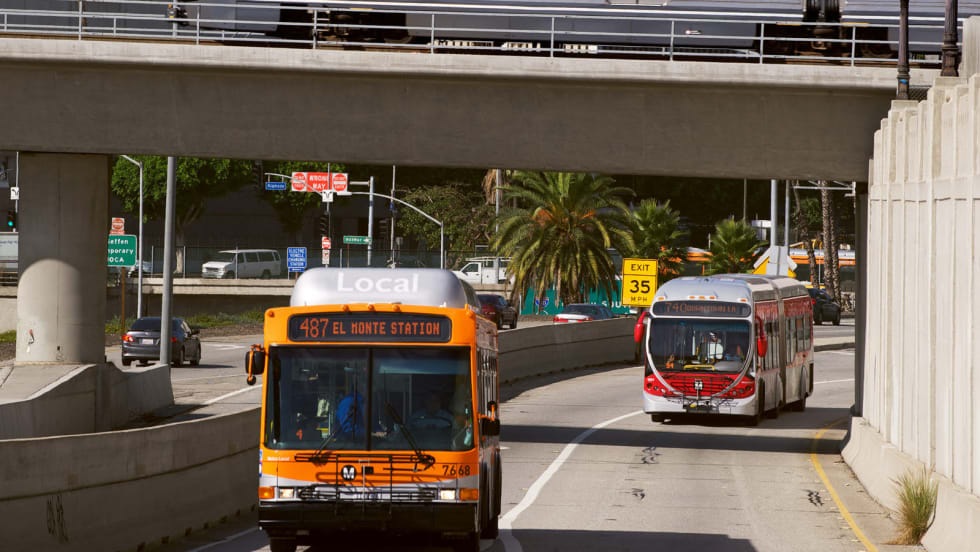
New Tricks for Old Bureaucracies: Joshua Schank on Making Transit Innovation Stick
Former LA Metro Chief Innovation Officer Joshua Schank discusses why good ideas aren't enough, how transit agencies can overcome resistance to change, and why today's challenges demand more innovation.
Read More →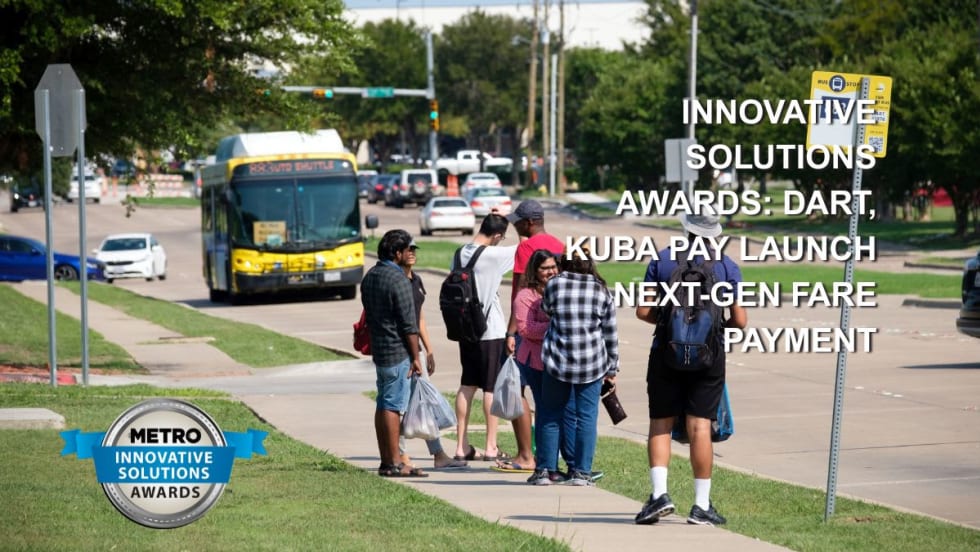
How DART's GoPass Is Redefining Regional Mobility
Serving 14 transit agencies, GoPass simplifies multimodal travel by allowing riders to plan, pay for, and manage an entire trip through one app.
Read More →
Biz Briefs: OCTA Taps Clean Energy for Hydrogen Station, Stadler to Supply Via Rail Vehicles, and More
From manufacturers and suppliers to transit agencies and motorcoach operators, these updates offer a snapshot of the projects, partnerships and business moves driving the industry forward.
Read More →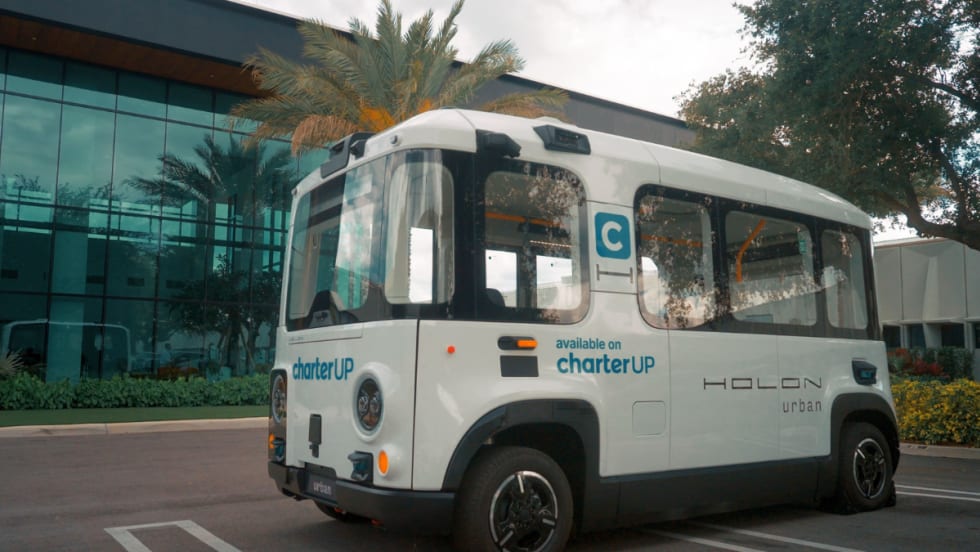
CharterUP Expands Into New Mobility and Autonomous Transportation
Vice President of New Mobility Stephen Joos discusses how CharterUP is leveraging its nationwide transportation network, technology platform, and autonomous vehicle partnerships to expand into workforce mobility, campus shuttles, and transit solutions.
Read More →
METRO Magazine Announces 2026 Innovative Solutions Awards Winners
Projects Recognized for Advancing Mobility Through Technology, Accessibility, Workforce Innovation, and Operational Excellence
Read More →
Biz Briefs: STV teams with Amtrak, Motorcoach Operators Boost Fleet and Land Contracts, and More
From manufacturers and suppliers to transit agencies and motorcoach operators, these updates offer a snapshot of the projects, partnerships and business moves driving the industry forward.
Read More →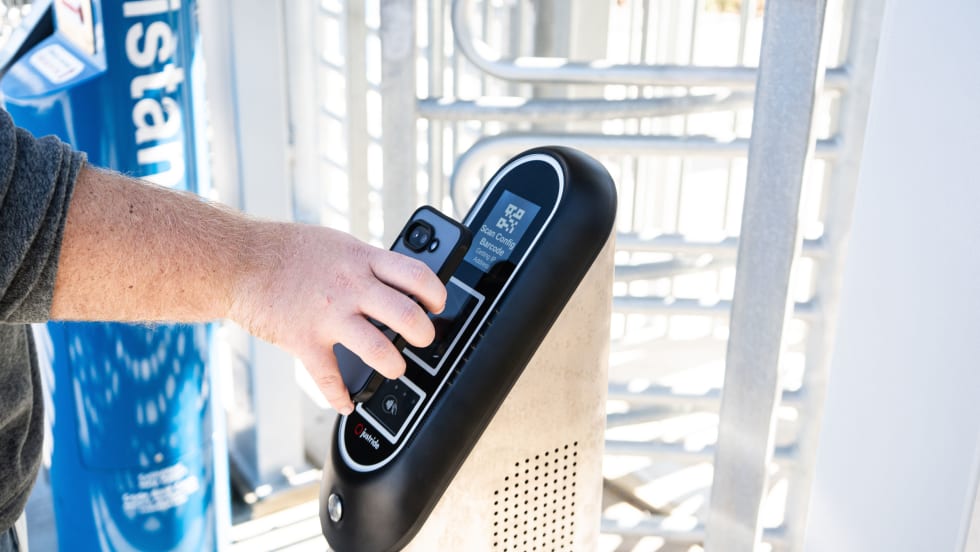
Biz Briefs: Masabi Teams with St. Louis Metro and More
In METRO's latest installment, we take a look at recent news from Transdev, Hitachi, and more partnerships making headlines across the transportation sector.
Read More →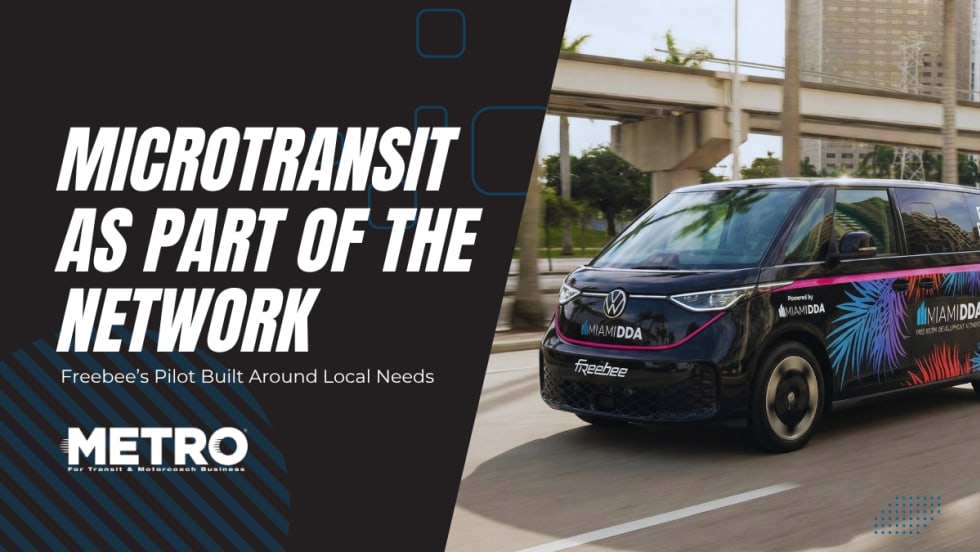
Microtransit's Next Test: Becoming Part of the Network
Freebee shows how electric microtransit is moving beyond pilots to fill network gaps, connect riders to transit, and prove lasting value.
Read More →