




Read More: OCTA Moves Ahead with Rail Corridor, Train Safety Studies
Transit Agencies Continue Safety, Health Efforts
The University of Washington released an analysis of drug smoke and residue samples collected on transit vehicles.
September 8, 2023
To help reduce the potential for any secondhand exposure, the study recommends improved ventilation and air filtration, enhanced cleaning practices, and training for operators on agency protocols around substance use with transit vehicles and other related topics.
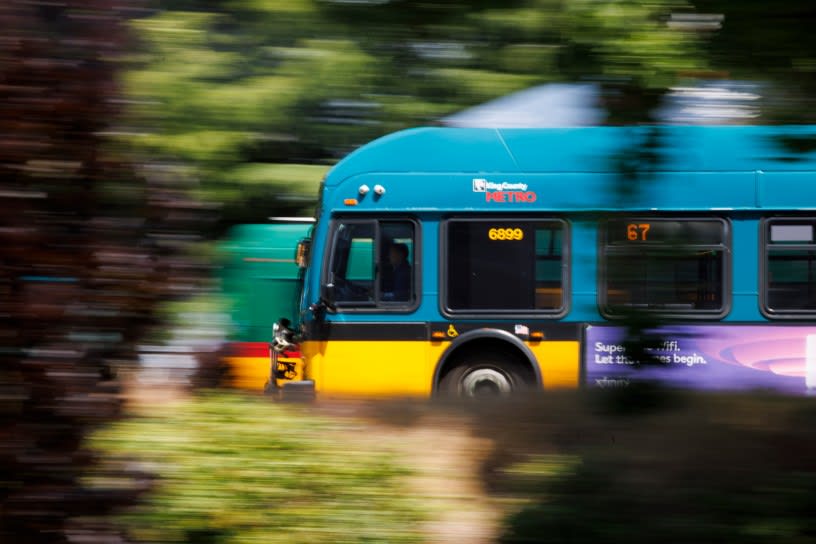
Photo: King County Metro
4 min to read
The University of Washington released an analysis of drug smoke and residue samples collected on transit vehicles, and health officials say the levels are “extremely low” and that riding transit remains safe.
The five transit agencies that sponsored the study—Sound Transit, King County Metro, Community Transit, Everett Transit, and TriMet—are continuing plans to implement health and safety improvements based on the study’s findings and recommendations.
What the Study Found
The study, commissioned in response to concerns about employee and rider health, assessed levels of fentanyl and methamphetamine in the air and on surfaces in public transportation buses and trains.
Researchers found the amounts of substances are extremely small, and according to public health officials, do not represent a health issue to riders.
Drug use on transit remains illegal, and anyone found to be violating transit policies is subject to being removed from transit.
Last spring, UW researchers collected air samples and surface samples from 11 buses and 19 train cars on routes, runs, and times of day when smoking of controlled substances was most likely to occur based on past incident reports.
While air and surface samples had detectable fentanyl or methamphetamine, the levels measured do not pose a health risk to the riding public or employees according to health officials.
To help reduce the potential for any secondhand exposure, the study recommends improved ventilation and air filtration, enhanced cleaning practices, and training for operators on agency protocols around substance use with transit vehicles and other related topics.
Changes Underway at Transit Agencies
The four participating transit agencies in the Puget Sound region have already begun to implement changes to reduce the risk of secondhand exposure for riders and operators.
Sound Transit
Sound Transit is taking steps to enhance safety and security, some of which are already in progress, including:
Enforcement of transit code of conduct: Sound Transit employs over 55 officers from King County Sheriff’s Office with a budget to grow to over 90 officers. Additionally, it averages over 250 transit security officers on its system weekly based on new contracts executed in the spring of 2023. With this support, Sound Transit security began removing people using drugs on vehicles and encouraging all riders to call security when they witness violations.
More frequent and enhanced cleaning protocols: Sound Transit relies on its partnership with King County Metro for the cleaning of our light rail vehicles.
Improved filtration on light rail vehicles: The agency continues to review options to further improve onboard air filtration.
King County Metro
Discouraging or preventing drug use on transit is the first step in reducing levels in the air and on surfaces. Metro has 120 transit security officers and is budgeted to grow to 140.
Metro buses are outfitted with MERV-11 and MERV-13 filters, the best possible filtration available for transit vehicles, and capable of filtering airborne viruses and drug smoke particulates. It is in the process of converting the remaining 448 buses from MERV-11 to MERV-13 in the coming weeks.
Enhanced bus cleaning practices were recently piloted at two bases and an initial study indicates they are highly effective at reducing drug residue to the lowest possible levels.
Those bus cleaning practices will expand to all seven bases and include upgrading from dry sweeping to HEPA vacuums and implementing a detergent-based deep cleaning of buses every 10-14 days. Daily wipe-downs of high-touch areas and the driver’s area also will continue to take place.
Community Transit
Community Transit is taking the following steps:
Increasing security by expanding the agency's Transit Security Officer (TSO) program. TSOs enforce the Community Transit Rules of Conduct which explicitly prohibit smoking and drug use. TSOs work closely with other resources including the Transit Police Unit, social workers, service ambassadors, and field supervisors.
Improving air quality on buses by upgrading air filters from MERV-7 to MERV-13 on most Community Transit buses. MERV-13 air filters are recommended by UW researchers and public health officials because they remove most particles that include smoke, smog, and viruses. The agency is working to complete installation of the new filters by the end of September.
Enhancing cleaning procedures by implementing deep cleaning of buses using best practices and products for removing and neutralizing drug residue while incorporating advice from the Snohomish County Health Department and private sector firms that specialize in drug-related cleanups.
Everett Transit
Everett Transit partnered with the Everett Police Department to launch the “See Something, Say Something” campaign, which empowers operators and transit riders to speak up when they see illegal conduct to ensure it is addressed immediately.
Updated training has been provided to operators about how to address individuals using substances on public transit.
All fixed-route buses are equipped with MERV 13 filters.
Everett Transit operates 35-foot and 40-foot coaches, which gives operators an enhanced ability to see behaviors taking place on the coach. In addition, all riders are required to enter through the front door and interface with the operator, which can help deter some unwanted behavior.
Topics:Security and Safety
More Security and Safety
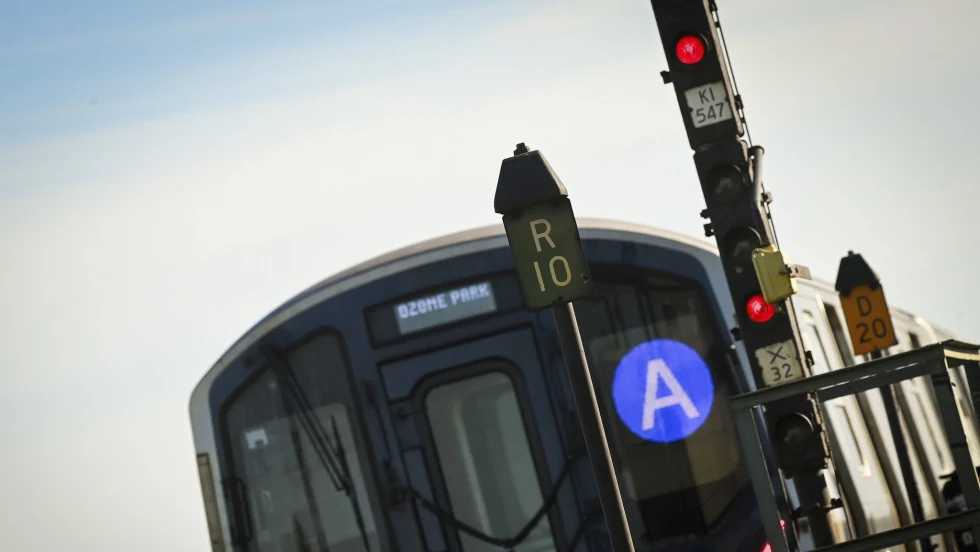
New York MTA Launches Historic $1.9B Signal, Track Modernization Project
Funded in part by congestion pricing revenue, the project will replace nearly century-old signals along the A and C lines in Brooklyn and Queens.
Read More →
CSA Group Releases Climate Resilience Standard for Transit, Passenger Rail
Developed with support from the Standards Council of Canada, CSA D700 guides assessing climate-related risks and planning adaptation measures for transit and passenger rail systems.
Read More →
San Diego MTS Approves New Fare Evasion Penalty Program
The new administrative process will move eligible violations out of the criminal court system, cap penalties at $125, and provide flexible payment options for riders.
Read More →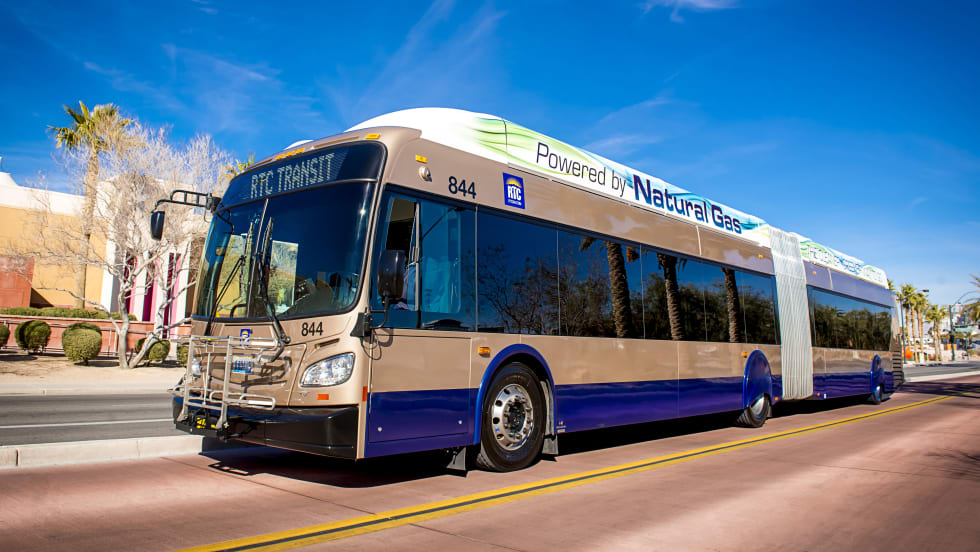
RTC of Southern Nevada Reports 29% Drop in Transit Operator Assaults
The agency credits expanded security measures, employee training, and technology investments for improvements in transit safety, while security officers have responded to 19 suspected overdoses since July.
Read More →
Public Transit Conference Returning to GFX in 2027, Call for Papers Now Open
The Call for Papers is now open, allowing transit agency professionals and industry experts to help shape the PTC educational program by submitting session ideas for consideration.
Read More →
Safe Transit Act Proposes New Security Requirements for Federal Transit Funding
Proposed legislation would link federal transit dollars to safety measures while requiring security investments, onboard cameras, and new fare collection standards.
Read More →
FTA Ends Direct Oversight of MBTA Safety Actions
The federal agency closed its remaining special directive to the Massachusetts Department of Public Utilities following a safety review that began in 2022.
Read More →
Transit Agencies Highlight Safety Gains at National Summit
Leaders from 15 major transit systems shared crime-reduction results and safety initiatives while discussing the role of continued federal support.
Read More →
DART Launches Major Security, Fare Enforcement Initiative
The 90-day demonstration will deploy coordinated security teams at five light rail stations while testing controlled access and gathering data to guide future investments.
Read More →
RTD Launches NextRide App to Consolidate Trip Planning, Fares, Security Reporting
The app expands on RTD’s existing NextRide web application and allows customers to view real-time vehicle locations and service alerts, purchase and store digital fares, and access customer support.
Read More →