



TransitCenter: stimulus bill a win for transit riders
Employees can now save up to $1,000 a year or more on their transit commute, representing a potential $440 a year increase in what they can save if their commuting expenses exceed the current monthly cap of $120 per month.

The Emergency Economic Recovery Act signed into law on Tuesday by President Obama provides significant tax savings, up to $1,000 or more a year, to working Americans who commute by transit, announced TransitCenter Inc., a nonprofit that promotes mass transit use in order to reduce traffic congestion and improve air quality.
The law raises the amount of pretax income that workers enrolled in employer-sponsored commuter benefits programs can use to pay for mass transit -- from $120 per month to $230 per month.
Employees can now save up to $1,000 a year or more on their transit commute, representing a potential $440 a year increase in what they can save if their commuting expenses exceed the current monthly cap of $120 per month. Meanwhile, companies offering the benefit can save up to an additional $100 per employee per year in payroll taxes.
Besides providing relief to commuters who already use the benefit, the legislation will increase the number of employees offered the benefit as a result of the increase in employee and employer savings under the new law. Recent TransitCenter surveys indicate that as many as one-third of employers not currently offering the benefit would do so if the monthly transit benefit were increased significantly and 53 percent of employees said they would take advantage of the benefit if offered to them.
The commuter benefit allows employees to deduct up to $230 per month from their gross income to pay for their mass transit commutes. Employees whose monthly mass transit fees are less than the $230 cap are allowed to deduct the full amount from their paychecks. The measure helps employers save money by lowering their payroll taxes. Additionally, employees are allowed to deduct up to $230 per month for eligible commuter parking expenses.
More Bus

Pierce Transit Moves to Expand Fleet Following Proposition 1 Approval
The agency authorized the purchase or refurbishment of up to 60 buses to support a 47% service expansion, as voters nationwide approved billions in new transit funding.
Read More →
Transit Expands Agency Partnerships, Reaching 200 Official App Partners
COO Jake Sion discusses Transit’s growth, the success of its Transit Royale program, and how technology is helping agencies improve the rider experience.
Read More →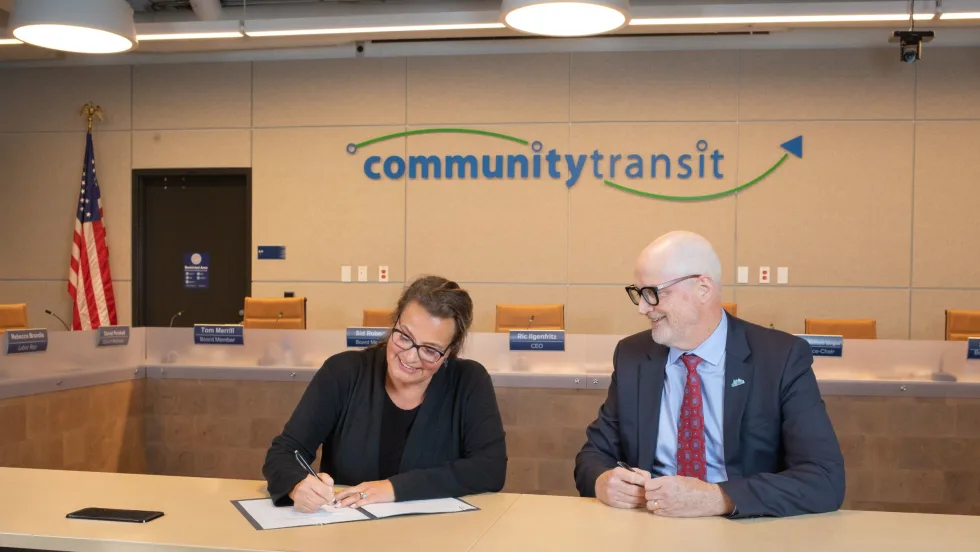
Everett Transit, Community Transit Approve Consolidation of Services
The agreement will bring Everett Transit into Community Transit’s network in April 2027, with plans to increase bus service by 50% by 2031 and expand regional connections.
Read More →
Brian Dickson on Building Stronger, More Resilient Transportation Organizations
Bus Business Consultants Founder Brian Dickson discusses the leadership principles, operational discipline, and strategic planning that separate transportation companies positioned for long-term success from those stuck in survival mode.
Read More →
LA Metro Breaks Ground on Vermont BRT Project
The 12.4-mile corridor is projected to serve 66,200 daily riders, reduce travel times by up to 24%, and create the nation's busiest bus rapid transit corridor.
Read More →
Roman Cornell on ABC Companies’ Evolution and the Future of Passenger Transportation
The company’s CEO discusses carrying forward a third-generation family legacy, ABC’s continued evolution in passenger transportation, support for increasingly complex fleets, and how technology and continued investment could help operators improve uptime.
Read More →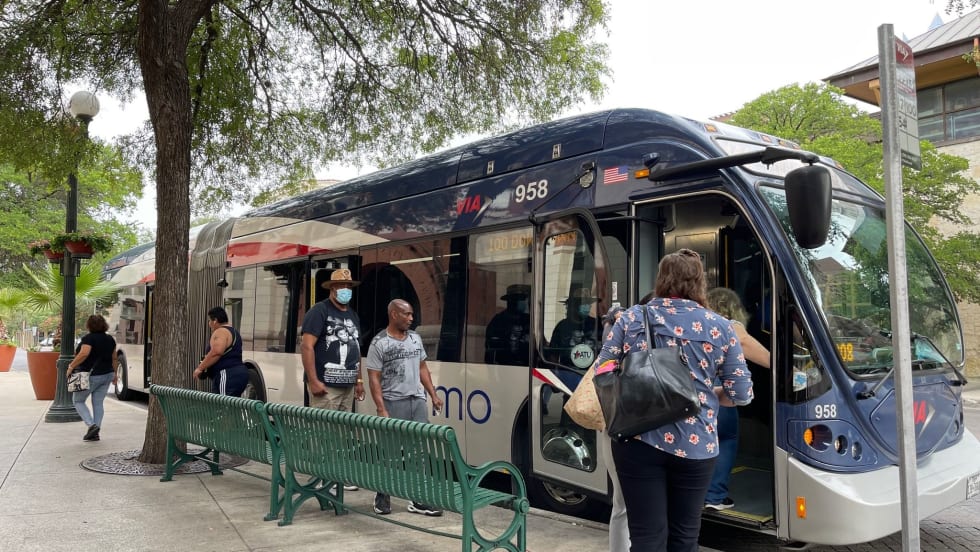
VIA Bus Ridership Grows 10.1% Through August 2026
San Antonio's VIA Metropolitan Transit reported the highest bus ridership growth among major Texas transit systems. Federal Transit Administration data ranked it second among the nation's 50 largest transit systems.
Read More →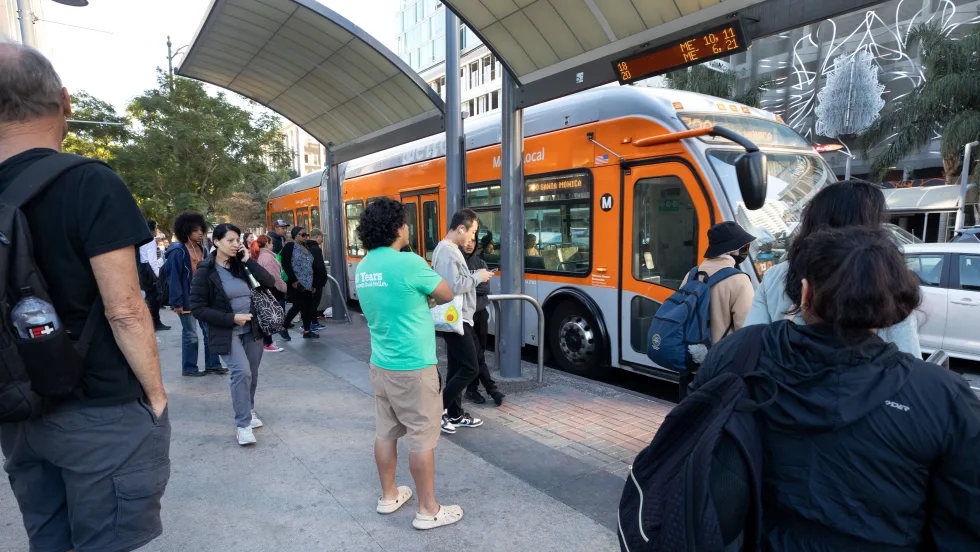
LA Metro September Ridership Climbs 3.9%, Led by Rail Growth
The agency recorded more than 27.2 million boardings, with rail ridership increasing 12.4% year over year and the D Line posting the largest gains.
Read More →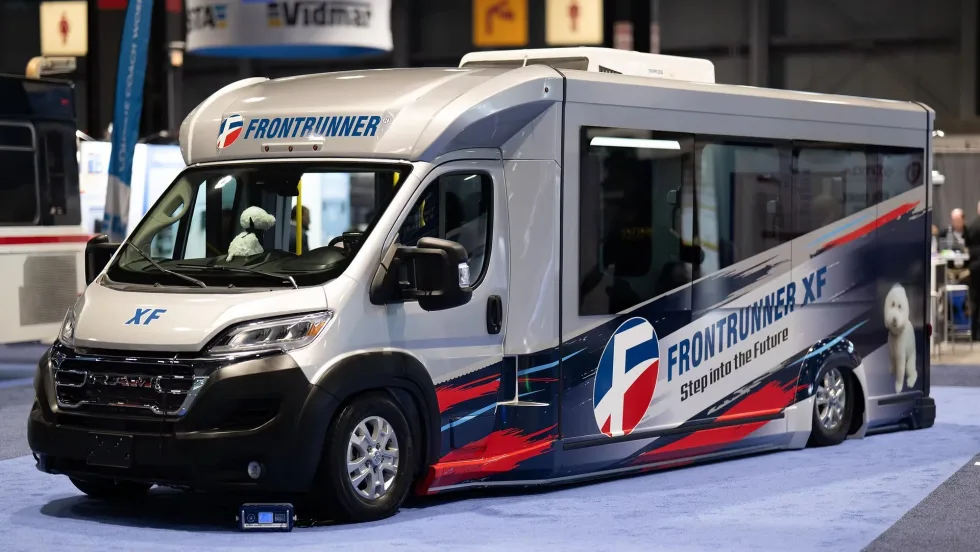
Frontrunner Bus Group Introduces XF Low-Floor Bus with Enhanced Accessibility
The new mid-sized bus features a full flat-floor design, eight-inch curbside step-in height, and zero-entry rear ramp to improve passenger access and operational flexibility.
Read More →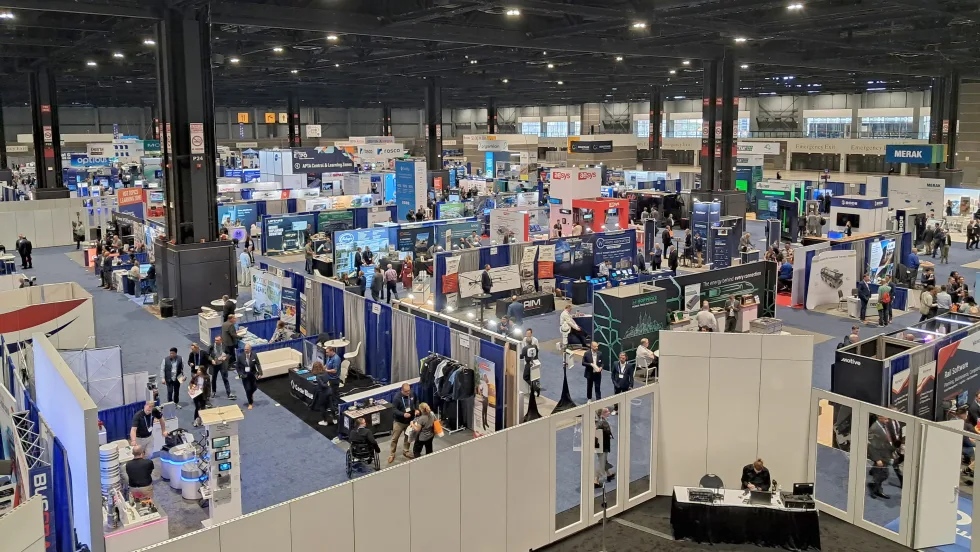
Scenes from APTA TRANSform & EXPO 2026
Transit leaders, manufacturers, and industry professionals gathered in Chicago to explore new technologies, share ideas, and discuss the future of public transportation.
Read More →