



Transloc honored by White House as ‘Champion of Change’
Recognized for its leadership in rider-facing transit technology, and “having an incredibly positive and widespread impact on the way people think about and use public transit...” according to an FTA official. TransLoc powers N.C.-based Triangle Transit’s live bus tracking system, GoLive.

TransLoc Inc. was honored by the White House as a Champion of Change for their leadership in rider-facing transit technology.
TransLoc’s technology makes using transit easier by providing live bus tracking via mobile applications and the web. Founder/CEO Josh Whiton accepted the award at the White House on TransLoc’s behalf.
TransLoc was nominated by a Federal Transit Administration official for “having an incredibly positive and widespread impact on the way people think about and use public transit…[they are] making it easier and more convenient for transit riders to access real time information about the location of buses and it encourages people to take public transit.”
Through the Champions of Change program, the White House recognizes different groups of Americans who are making positive change in their communities. This year’s theme is Transportation Technology Solutions for the 21st Century. The Champions of Change event focused on individuals and organizations that have provided exemplary leadership in developing and implementing transportation technology solutions to enhance performance, reduce congestion, improve safety, and facilitate communication across the transportation industry at the local, state or national level.
TransLoc powers GoLive (live.gotriangle.org), America’s first unified regional passenger information platform, according to the company.
RELATED ARTICLE: Check out, "BusRates.com nominated for White House honor."
More Bus

From Surviving to Thriving: Building Stronger Transportation Organizations
Bus Business Consultants founder Brian Dickson shares lessons on leadership, organizational health, and creating options for long-term success in a changing transportation industry.
Read More →
Finding the ‘Happy Medium’: Optimizing Maintenance Without Sacrificing Reliability
The key to maintenance optimization isn’t doing less work—it’s doing the right work at the right time on the right assets.
Read More →
LA Metro, City of West Hollywood, and Partners Advance Smarter Bus Lane Enforcement
The award-winning partnership combines AI-powered detection with human oversight to improve bus reliability, accessibility, and enforcement efficiency.
Read More →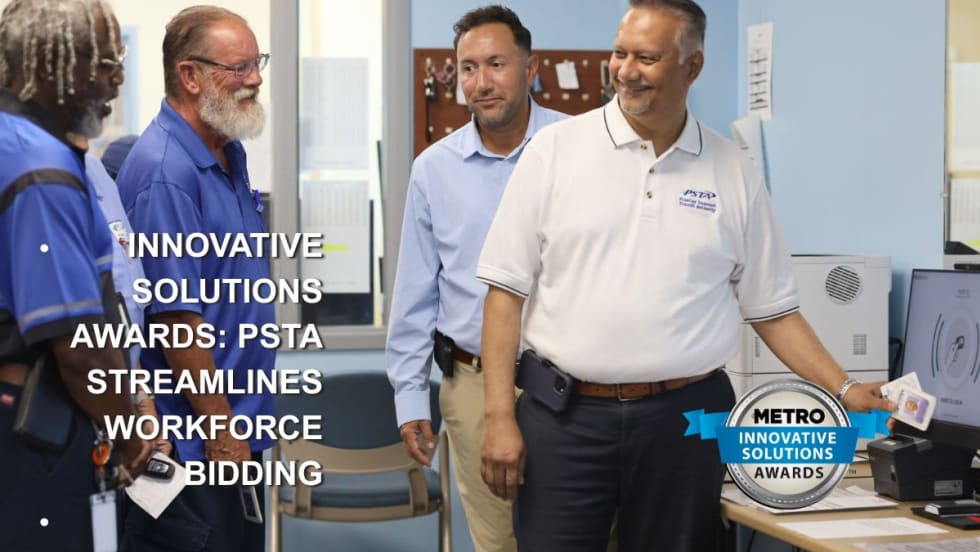
PSTA Modernizes Workforce Management with Digital Bidding System
The award-winning Workforce Transit Modernization project replaced paper bidding with a transparent digital platform, cutting administrative effort while improving access for operators.
Read More →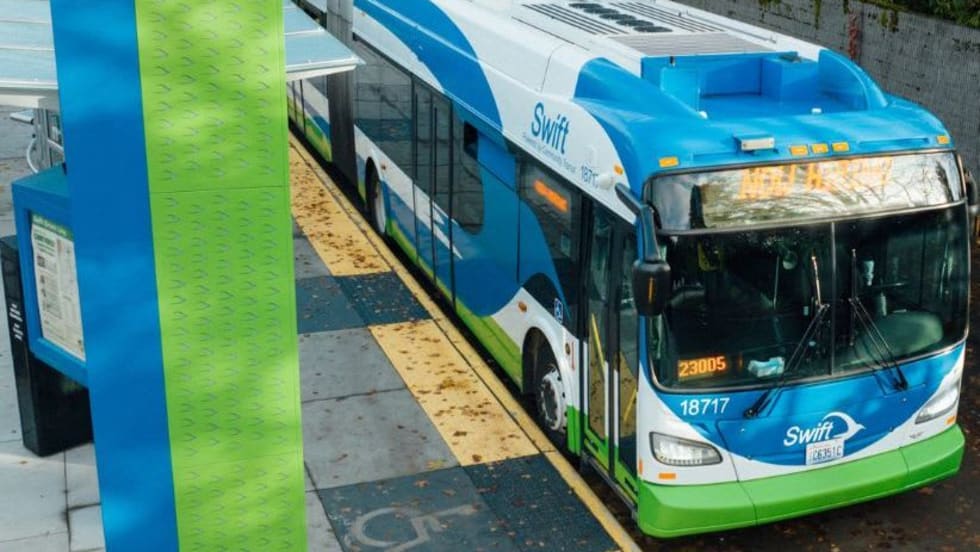
Washington's Community Transit Sets Six-Year Roadmap for Growth, Expansion
Approved TDP targets more bus service, new mobility options, Swift BRT expansion, and a potential Everett Transit annexation.
Read More →
DART Customer Satisfaction Reaches Six-Year High
Overall satisfaction rose to 74.9%, while the agency’s Net Promoter Score reached a record 33.7.
Read More →
How DART's GoPass Is Redefining Regional Mobility
Serving 14 transit agencies, GoPass simplifies multimodal travel by allowing riders to plan, pay for, and manage an entire trip through one app.
Read More →
Biz Briefs: OCTA Taps Clean Energy for Hydrogen Station, Stadler to Supply Via Rail Vehicles, and More
From manufacturers and suppliers to transit agencies and motorcoach operators, these updates offer a snapshot of the projects, partnerships and business moves driving the industry forward.
Read More →
METRO Magazine Announces 2026 Innovative Solutions Awards Winners
Projects Recognized for Advancing Mobility Through Technology, Accessibility, Workforce Innovation, and Operational Excellence
Read More →
Biz Briefs: STV teams with Amtrak, Motorcoach Operators Boost Fleet and Land Contracts, and More
From manufacturers and suppliers to transit agencies and motorcoach operators, these updates offer a snapshot of the projects, partnerships and business moves driving the industry forward.
Read More →