



U.K. Industry Gets Cash Boost, But Problems Remain
A major cash boost aimed at improving public transport in the U.K. has been announced in a recent government budget speech. Yet, major problems remain for the funding of credible public transport in the country.

A major cash boost aimed at improving public transport in the U.K. has been announced in a recent government budget speech. Yet, major problems remain for the funding of credible public transport in the country. Britain’s Chancellor of the Exchequer Gordon Brown announced the additional cash during the country’s annual announcement of fiscal estimates (known in England as the "Budget"). The extra money represented a major boost for transport and the environment, according to Deputy Prime Minister John Prescott. He claimed it struck the right balance between the needs of transport, the environment and the economy and would deliver real benefits for everyone. The amounts, however, are small in comparison to the total amount of government spending, which is well in excess of $300 billion (US $500 million). The Labour Party was elected to govern in the U.K. in 1997 and was widely expected to improve public transport, yet this has not been the case. Like the United States, a center-left administration has pursued right-wing economic policies and thus kept public spending on a tight rein. Ironically, the last urban transit system to enter service in England, in Croydon, an inner suburb of London, was given the go-ahead under the previous Conservative government. Instead, Deputy Prime Minister John Prescott has advocated making more use of buses. Meanwhile, Britain’s towns and cities have proliferated separate driving lanes for buses and cabs. The most obvious example of the U.K.’s public transport system in crisis can be seen in the London Underground. The British capital’s metro system is the largest in the world and one of the few to make an operating profit, but it cannot pay for major capital investment on its own. Nor is the government prepared to come up with the money. The issue has become a hot topic in London’s forthcoming mayoral contest with all candidates devising new methods of funding the capital’s transport network. There is some evidence that the country’s new privatized railways are making some headway as investment is finally seen by way of new trains and more customer-focused service provision. However, fears over safety following privatization have been expressed in the wake of two major train disasters over the past three years. These took place in the London area, at Southall and Paddington stations. Infrastructure is the responsibility of a company called Railtrack, which has been heavily criticized in light of these events, although so many companies and agencies are involved in the nation’s railroad network nowadays that identifying blame may prove to be an impossible task. The British government recently stripped the company of its safety monitoring responsibilities. These will now come under the auspices of the Health and Safety Inspectorate. So the UK still has a long way to go before it can boast a properly funded "integrated" transport system, the repeatedly pronounced aim of the current government. -- Gordon Welsh
More Management

Biz Briefs: STV teams with Amtrak, Motorcoach Operators Boost Fleet and Land Contracts, and More
From manufacturers and suppliers to transit agencies and motorcoach operators, these updates offer a snapshot of the projects, partnerships and business moves driving the industry forward.
Read More →
Massachusetts Approves $530M to Strengthen MBTA Operations, Infrastructure
The funding package targets operating stability, capital improvements, and fare affordability, offering a model for agencies navigating long-term funding challenges.
Read More →
LA Metro Marks Banner Year, Sets Ambitious Goals for New Fiscal Year
Incoming LA Metro Board Chair and Los Angeles Mayor Karen Bass joined outgoing Board Chair Fernando Dutra and LA Metro CEO Stephanie Wiggins to review accomplishments from fiscal year 2026, which included the opening of new rail extensions, advancement of major transit projects, expanded safety programs, and new rider amenities.
Read More →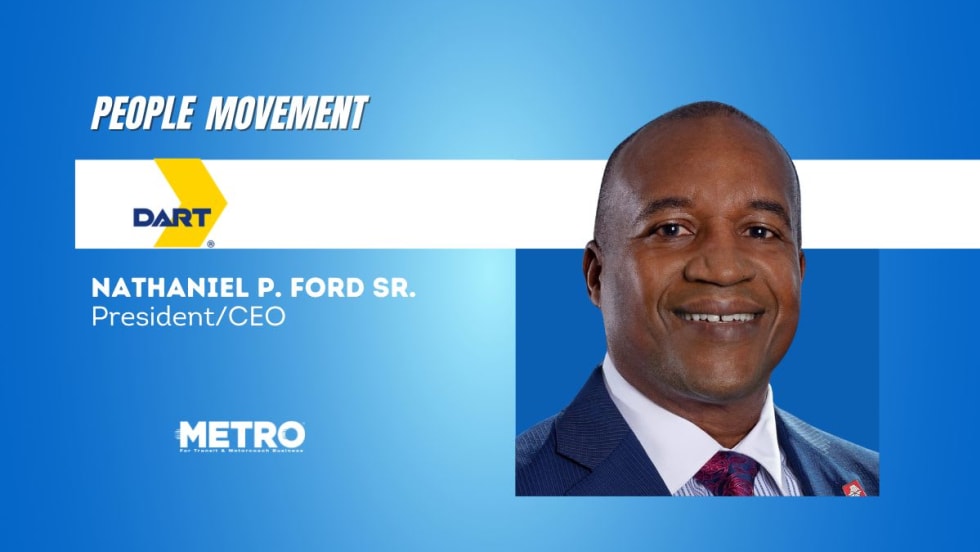
DART Taps Nathaniel P. Ford Sr. as Next President/CEO
Since 2012, Ford has served as the CEO of the Jacksonville Transportation Authority
Read More →
AC Transit’s Cecil Blandon on Building the Next Generation of Transit Maintenance Leaders
The agency’s maintenance chief discusses leadership, workforce development, zero-emission technology, and preparing technicians for the future of public transportation.
Read More →
California High-Speed Rail Authority Signs MOU to Advance High Desert Corridor
The agreement deepens collaboration between the California High-Speed Rail Authority and the High Desert Corridor Joint Powers Agency, supporting design integration, cost savings, and faster delivery of a key Southern California rail link.
Read More →
Building the Next Generation of Transit Technology
In this edition of METROspectives, Luminator CEO Magnus Friberg discusses the company's transformation, the growing role of AI and software, and what's next for transit technology.
Read More →
How Data, Strategy, and Community Engagement Are Reshaping Transit
In this edition of METROspectives, strada360 CEO Steve Lassey discusses how transit agencies can better align planning with operations, leverage data to improve decision-making, and build public trust as they prepare for the future of mobility.
Read More →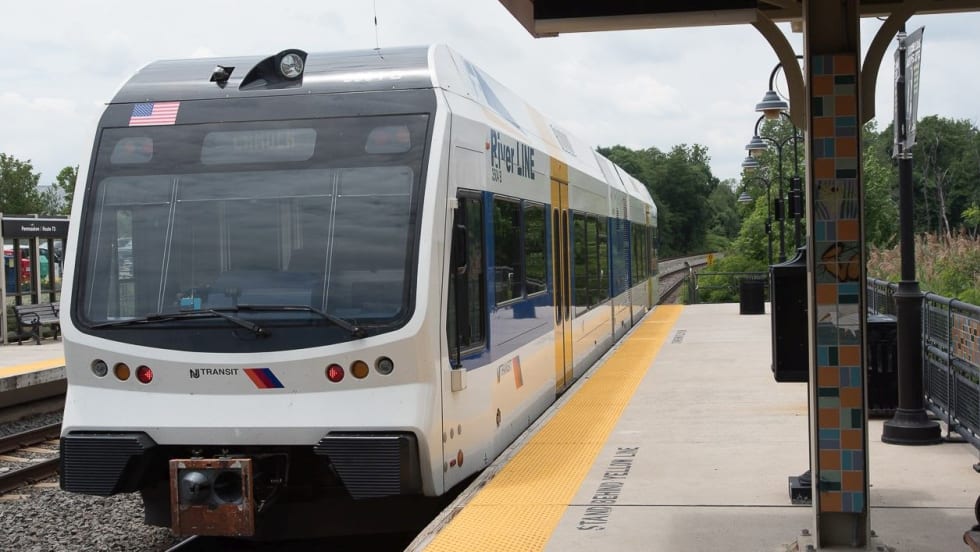
NJ TRANSIT Secures Capital Funding, Adopts FY2027 Budget
The budgets continue investments in infrastructure and equipment to maintain the system in a state of good repair and enhance the overall customer experience.
Read More →
Federal Railroad Administration Study Finds Upgrades Could Boost Penn Station Capacity by One-Third
The study outlines a roadmap for increasing train throughput while preparing Penn Station for future growth across the Northeast Corridor.
Read More →