



U. of Mich. shuttle expands to daily service
Bus stops will include the Central Campus Transit Center in Ann Arbor, University of Michigan Detroit Center, and for the first time, University of Michigan-Dearborn.

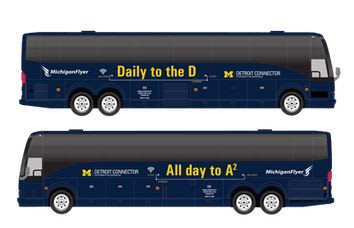
Rendering of the newly redesigned Detroit Connector bus. Credit: University of Michigan
Rendering of the newly redesigned Detroit Connector bus.
University of Michigan
The Detroit Connector, a University of Michigan bus service connecting the Ann Arbor campus to the city of Detroit, will begin providing service seven days a week, starting Monday, October 30, to U-M faculty, staff, students, and for the first time, the general public.
Bus stops will include the Central Campus Transit Center in Ann Arbor, University of Michigan Detroit Center, and for the first time, University of Michigan-Dearborn. The Detroit Connector will also include expanded service hours, including Fridays and Saturdays beginning as early as 7 a.m. and concluding at 1 a.m.
“The University of Michigan is deeply committed to creating a more diverse, equitable and inclusive campus environment,” says Robert Sellers, Vice Provost for Equity & Inclusion and Chief Diversity Officer. “The Detroit Connector helps us break down existing barriers and better connect the Ann Arbor, Dearborn and Detroit communities. By expanding service and opening it to the public, the Detroit Connector can improve access to the region’s numerous research, academic and cultural opportunities.”
In support of the expanded service (previously offered four days a week), riders will now be able to make reservations online, with one-way trips ranging between $6-$10. Pell Grant students from U-M will be able to ride the Connector for free, with reduced fares available to students and faculty who engage in community service or class activities in Detroit.
Indian Trails, the Detroit Connector’s bus provider since 2014, will shift daily operations to its Michigan Flyer division, which currently supports a similar service, called AirRide, between Ann Arbor and Detroit Metropolitan Airport.
“Our experience in developing the Michigan Flyer airport shuttle service should prove valuable for the Detroit Connector,” says Chad Cushman, president of Indian Trails. “One key to building ridership is frequency of service. Though not otherwise publicly funded, Michigan Flyer used a one-year, one-time federal grant to help increase its roundtrips between East Lansing, Ann Arbor, and Detroit Metro Airport from eight to 12 daily. As a result, passenger volume grew to more than 200,000 per year, ensuring the service was self-supporting.”
Detroit Connector buses are wheelchair accessible and include amenities such as WiFi, coach seating, individual climate controls, in-seat AC electrical outlets, onboard restrooms, and bike storage.
Founded in 2013, the Detroit Connector has operated over the past four years through grants, donations, and funding by the Office of Diversity, Equity & Inclusion and Detroit Center.
More Bus
VIA Bus Ridership Grows 10.1% Through August 2026
San Antonio's VIA Metropolitan Transit reported the highest bus ridership growth among major Texas transit systems. Federal Transit Administration data ranked it second among the nation's 50 largest transit systems.
Read More →
LA Metro September Ridership Climbs 3.9%, Led by Rail Growth
The agency recorded more than 27.2 million boardings, with rail ridership increasing 12.4% year over year and the D Line posting the largest gains.
Read More →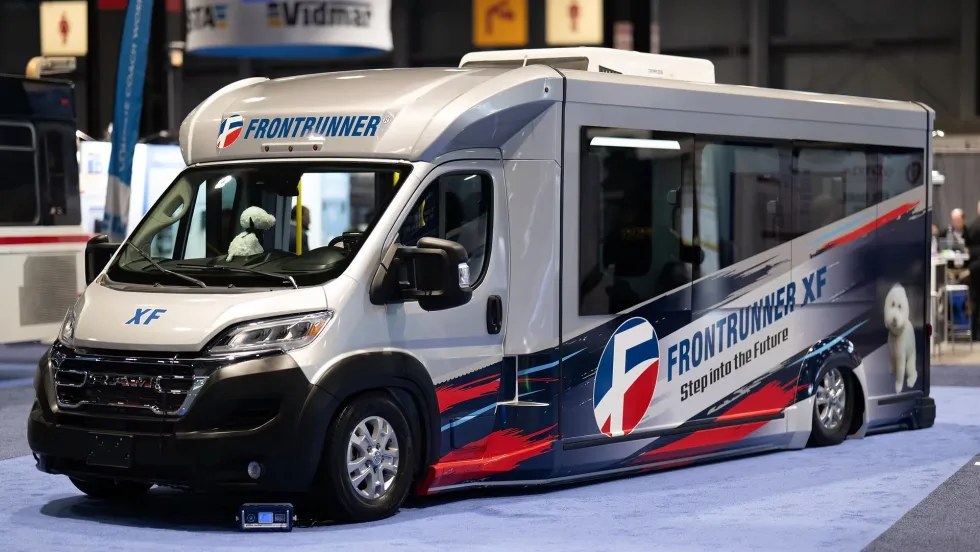
Frontrunner Bus Group Introduces XF Low-Floor Bus with Enhanced Accessibility
The new mid-sized bus features a full flat-floor design, eight-inch curbside step-in height, and zero-entry rear ramp to improve passenger access and operational flexibility.
Read More →
Scenes from APTA TRANSform & EXPO 2026
Transit leaders, manufacturers, and industry professionals gathered in Chicago to explore new technologies, share ideas, and discuss the future of public transportation.
Read More →
More Than a Summer Job: Building the Next Generation of Transit Talent
The Delaware River Port Authority and PATCO have transformed their internship program into a hands-on professional development experience that introduces students to the breadth of transportation careers — and creates a pipeline for future employees.
Read More →
LA Metro Board Awards 220 Battery-Electric Bus Contract to ENC
The contract, which is the largest base award of battery-electric buses by a U.S. transit agency, will be built in Southern California, sustaining good jobs as LA prepares to welcome the world in 2028
Read More →
Public Transit Conference Returning to GFX in 2027, Call for Papers Now Open
The Call for Papers is now open, allowing transit agency professionals and industry experts to help shape the PTC educational program by submitting session ideas for consideration.
Read More →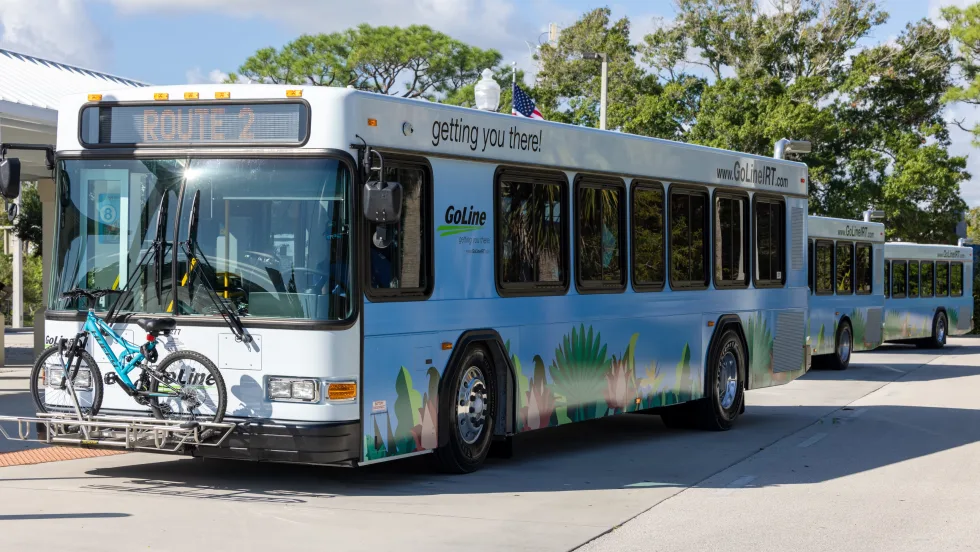
Indian River Transit’s Community-Focused Approach Earns National Recognition
Named APTA’s 2026 Outstanding Public Transportation System in its size category, Florida’s Indian River County transit system continues to grow ridership through fare-free service and a focus on evolving community needs.
Read More →
ENC Lands MATA Contract and More in Biz Briefs
In this edition of Biz Briefs, we spotlight the latest developments shaping the future of mobility.
Read More →
From Surviving to Thriving: Building Stronger Transportation Organizations
Bus Business Consultants founder Brian Dickson shares lessons on leadership, organizational health, and creating options for long-term success in a changing transportation industry.
Read More →