




More News: Center for Transportation and Environment Release New Guidebook
U.S. DOT Launches Climate Action Strategy Playbook
The U.S. DOT’s new “Climate Strategies That Work” playbook is available to help tackle climate action planning at all levels.
November 26, 2024
The US DOT has released a new playbook detailing strategies from infrastructure investments to technology applications meant to combat climate change.
PHOTO: USDOT
2 min to read
The U.S. Department of Transportation is releasing a playbook on research-based climate action strategies for State, Tribal, city, and local governments.
The “Climate Strategies That Work” playbook emphasizes efficient, convenient, and clean transportation solutions that support safe and economically vibrant communities across the U.S.
Strategies span infrastructure investments, technology applications, and policy strategies. These include active transportation, electric vehicles, and freight operational efficiencies for use by rural and urban communities.
“The transportation system of the future requires innovative technologies and use of space to make every trip for every person and every package more convenient, efficient, and clean,” said U.S. Department of Transportation Principal Deputy Assistant Secretary for Research and Technology Dr. Robert C. Hampshire. “There is no one key to transforming our transportation system into a tool of access, economic development, and sustainable growth. This playbook outlines a menu of options for state and local leaders so that they can make data-backed choices that are right for their communities.”
The strategies are informed by the U.S. National Blueprint for Transportation Decarbonization and include information on achieving greenhouse gas reduction, economic development, and safety benefits, along with implementation of funding opportunities and case studies that illustrate the impacts of these strategies in action.
“This is a critical resource for climate champions making strategic and evidence-based decisions about how to meet their climate and economic development goals while providing mobility choices. This playbook makes up-to-date and best-in-class research on decarbonizing transportation available to transportation planners, decisionmakers, and state and local leaders nationwide,” said U.S. Department of Transportation Climate Change Research and Technology Program Director, Dr. Gretchen Goldman.
The playbook is a critical step to supporting State, Tribal, regional, city, and local climate action planning as well as philanthropic and private industry climate action strategies.
The playbook can be found here.
More Zero Emissions
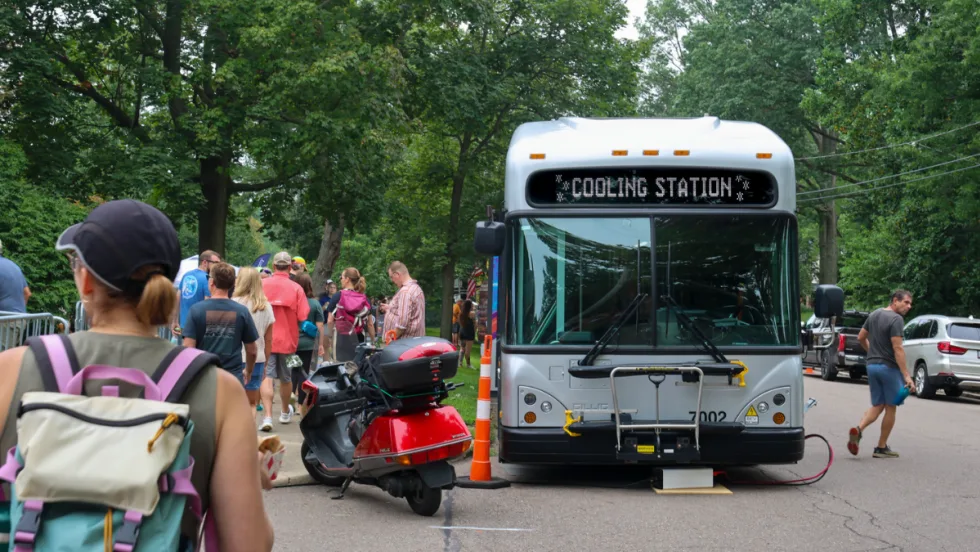
Ohio’s METRO RTA Turns Electric Buses into Mobile Power Sources at PorchROKR
See how three Gillig battery-electric buses powered festival stages while the agency’s new Park & Ride service carried approximately 1,000 attendees, demonstrating another potential use for transit agencies’ electric fleets.
Read More →
CALSTART and Forth Combine to Form Catalyst Mobility
The new name represents a renewed vision for the nonprofit focused on advancing clean, equitable, and affordable transportation solutions that move people and goods.
Read More →
Building a Flexible Path to Transit Electrification
John Hroncich discusses BAE Systems’ modular and scalable approach, lessons learned from decades of real-world operations, and how agencies can identify electrification strategies that fit their fleets.
Read More →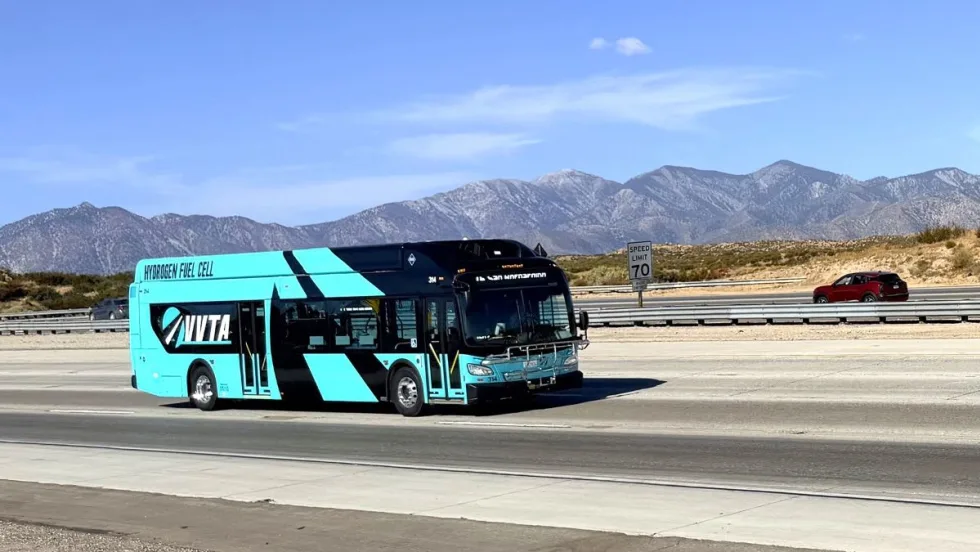
California's VVTA Begins Phased Rollout of Hydrogen Fuel Cell Buses
The agency is introducing 13 zero-emission buses into revenue service while evaluating performance across its urban, rural, and long-distance routes.
Read More →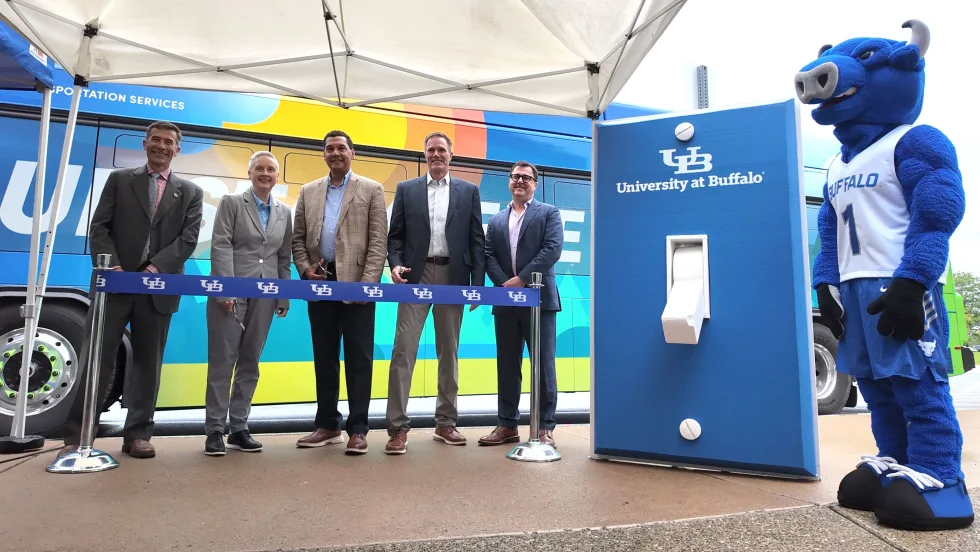
Inside Look: University at Buffalo Puts First 8 Electric Buses Into Stampede Service
UB, transportation solutions provider WeDriveU, and fleet electrification specialist Zenobē marked the deployment in the presence of students, university administrators, and local officials.
Read More →
Biz Briefs: OCTA Taps Clean Energy for Hydrogen Station, Stadler to Supply Via Rail Vehicles, and More
From manufacturers and suppliers to transit agencies and motorcoach operators, these updates offer a snapshot of the projects, partnerships and business moves driving the industry forward.
Read More →
AC Transit’s Cecil Blandon on Building the Next Generation of Transit Maintenance Leaders
The agency’s maintenance chief discusses leadership, workforce development, zero-emission technology, and preparing technicians for the future of public transportation.
Read More →
CTDOT Taps STV for Electric Bus Facility Design
The firm will work with CTDOT and RVT to define the facility layout, operational requirements, and long-term flexibility for RVT’s growing electric fleet.
Read More →
Chicago’s Pace Deploys 24 Hybrid-Electric Buses in Will County
The new buses reduce emissions and fuel consumption while advancing the agency's long-term goal of transitioning to a fully zero-emission fleet.
Read More →
DASH Breaks Ground on First On-Route Electric Bus Chargers in D.C. Region
The fast-charging infrastructure will help extend electric bus range, improve fleet utilization, and support DASH's goal of transitioning to a fully zero-emission fleet.
Read More →