



Unique Private-Sector Co-Op Examines How Bus Rapid Transit Could be Established in Detroit
Four of the most prominent civic organizations in the Detroit area are collaborating to examine how a regional bus rapid transit (BRT) network of rapid transit service—modeled after the successful one in Curitiba, Brazil—could be established in the Detroit metropolitan region.

Four of the most prominent civic organizations in the Detroit area are collaborating to examine how a regional bus rapid transit (BRT) network of rapid transit service—modeled after the successful one in Curitiba, Brazil—could be established in the Detroit metropolitan region. The four private, nonprofit organizations have joined forces under the "SpeedLink Collaborative" to provide a unified leadership dedicated to working with public-sector stakeholders in exploring and establishing a regional BRT system. Initially, the collaborative will work toward developing a pilot demonstration within a major transportation corridor, said Frank Fountain, senior vice president of governmental affairs for DaimlerChrysler and chairman of the collaborative. SpeedLink hopes to finish the first phase of investigation and design of the system, leading to the pilot demonstration, in six to 12 months, he said. The collaborative consists of the Detroit Regional Chamber, Detroit Renaissance, the Greater Downtown Partnership, and the Metropolitan Affairs Coalition. Although other cities built dedicated busways first, Curitiba pioneered a type of BRT system that elaborately intertwines both high-speed regional express and local dedicated bus lanes into a network planned with land-use development in the city. Curitiba’s two million residents now enjoy a high quality, affordable service that is totally above-ground. The system has persuaded 75% of the city’s weekday commuters out of their cars and onto rapid transit, although Curitiba has one of the highest auto ownership rates in Brazil. Curitiba’s transportation network covers more than 310 route miles, including about 35 miles of rapid transit routes, providing services over 65% of the city's area. In all, some 2,000 vehicles serve 1.3-million passengers, or 55% of total transport demand. Recently the federal government named 12 cities in its Bus Rapid Transit Consortium, which are looking at BRT to offer many of the same features as light rail or subway system, such as frequent, reliable, speedy and quality service; vehicle movements unimpeded by traffic signals and congestion; fare collection before boarding; quick passenger loading and unloading from high-quality passenger stations; and easily identifiable, color-coded routes. However, what is different about SpeedLink is that this is being spearheaded by the private sector. "A public transportation system works best if it has a rapid-transit component," explained Fountain. "Greater Detroit is no different than other major metropolitan areas in that rapid transit service is necessary as part of its total, regional transportation system. The Curitiba model is recognized as one of the most successful and cost-effective systems used anywhere around the world." The Detroit project will be organized in two phases: 1) determining the technical feasibility of SpeedLink, including investigating and describing a regional network of rapid transit service and a pilot demonstration (completion in 6-12 months); and if the first phase’s results are satisfactory, 2) engineering and technical design of the pilot project (taking an additional 12-18 months to complete). The collaborative’s partners will work together to investigate and potentially develop SpeedLink within their own distinct roles. For example, Richard Blouse, Detroit Regional Chamber’s president, and Paul Hillegonds, Detroit Renaissance’s president, will work on governance, management and funding issues. Greater Downtown Partnership President Larry Marantette will provide general support to the initiative; Metropolitan Affairs Coalition President Paul Tait will lead the design effort for the system. A special SpeedLink Study and Design Task Force will also be developed to work under the leadership of the Metropolitan Affairs Coalition. According to Fountain, the Citizens Research Council (CRC) of Michigan has also agreed to provide some technical assistance in analyzing the funding and financing challenge. According to Fountain, SpeedLink will begin its work in the spring. "This project is potentially one of the most important initiatives ever undertaken by our civic community," he said.
More Management
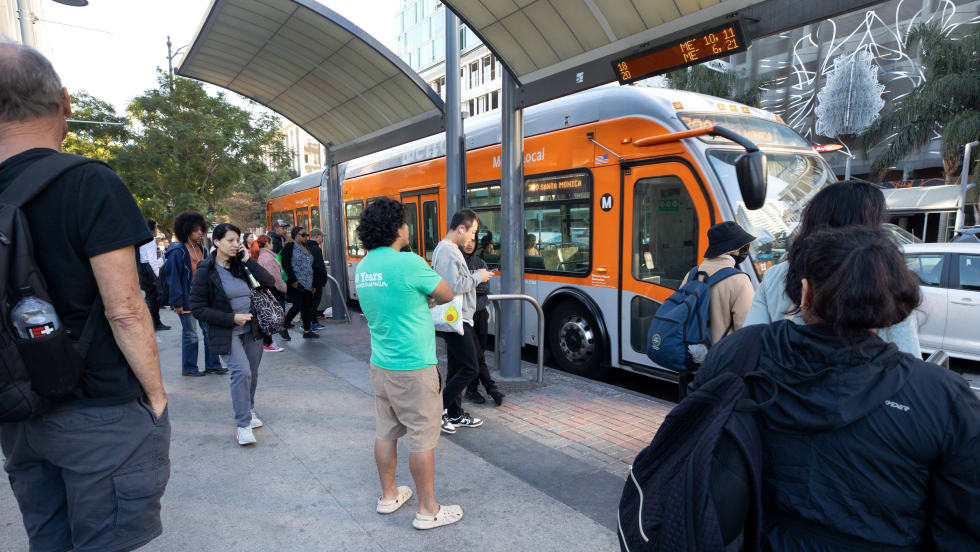
LA Metro Ridership Continues Growth as Rail Gains Accelerate
New rail connections and major events help drive continued ridership gains, with Metro recording its eighth consecutive month of year-over-year rail growth.
Read More →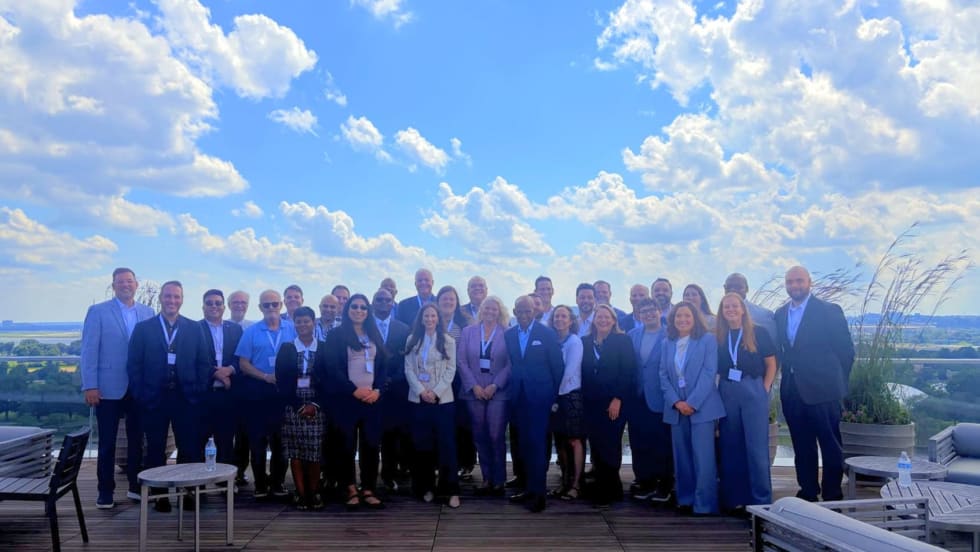
TransDASH Summit Focuses on Measuring What Matters in Transit
Transit agencies unveil a national performance platform designed to benchmark customer experience, safety, community value, and other outcomes.
Read More →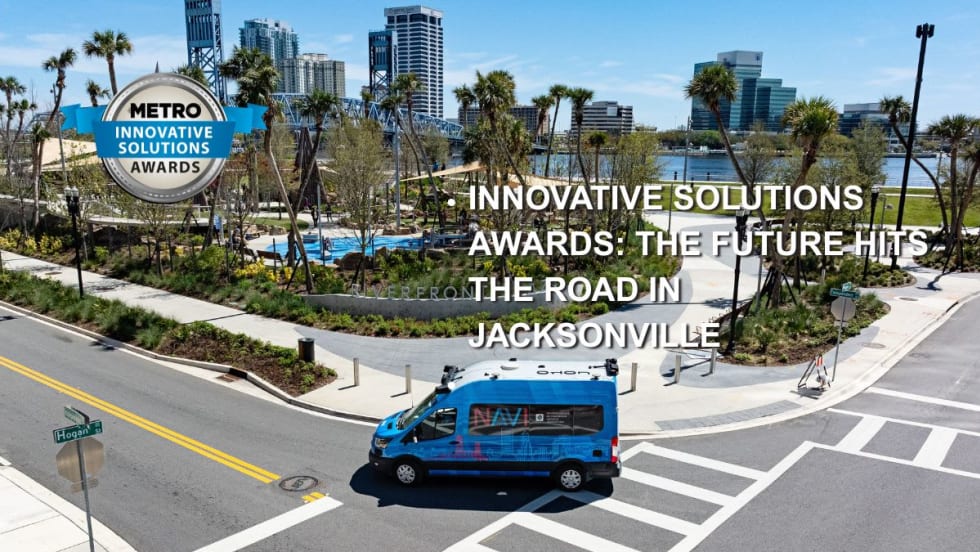
Jacksonville’s NAVI Project Charts a New Course for Autonomous Public Transportation
Through its NAVI program, JTA is showing how autonomous vehicles, intelligent infrastructure, and coordinated operations can work together to deliver everyday public transportation.
Read More →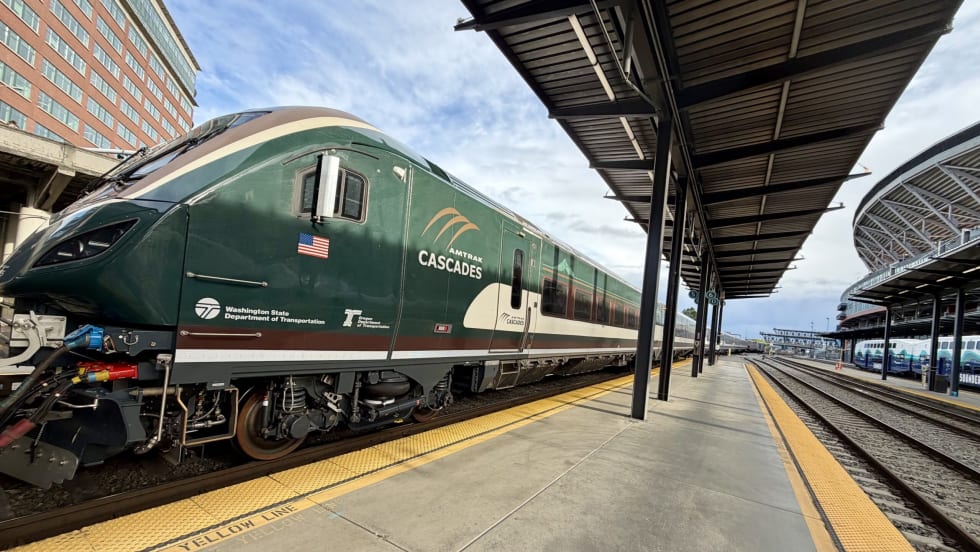
FRA Announces $5.3B in Rail Investments, Including $2B for Amtrak
Funding will support grade-crossing improvements, infrastructure upgrades, and new Amtrak equipment in 23 states.
Read More →
Finding the ‘Happy Medium’: Optimizing Maintenance Without Sacrificing Reliability
The key to maintenance optimization isn’t doing less work—it’s doing the right work at the right time on the right assets.
Read More →
People Movement: MARTA Drops Interim Tag on GM/CEO Hunt and More
In this edition, METRO covers recent appointments and announcements at the FMCSA, HDR, SilverRide, and more, showcasing the individuals helping to shape the future of transportation.
Read More →
VIA Metropolitan Transit Reports 2 Million More Passenger Trips as Better Bus Plan Gains Momentum
San Antonio's transit agency said accelerated service improvements are driving ridership growth, offering another example of how increased frequency and workforce investments can translate into stronger transit performance.
Read More →
ABAF Study Reveals Growing Insurance Crisis for Motorcoach Operators
Preliminary findings show 98% of operators faced premium increases over the past five years, while shrinking insurer participation is putting added pressure on businesses and customers.
Read More →
PSTA Modernizes Workforce Management with Digital Bidding System
The award-winning Workforce Transit Modernization project replaced paper bidding with a transparent digital platform, cutting administrative effort while improving access for operators.
Read More →
Chicago to Host Public Transportation's Biggest Gathering at APTA TRANSform & EXPO 2026
North America’s largest public transportation gathering returns to Chicago, connecting transit decision-makers with the technologies, ideas, and partnerships driving the industry forward.
Read More →