



Via, City of Arlington, Texas Expand On-Demand Program
More than 39,000 accounts have been created and more than 470,000 rides have been taken on Via Arlington since the service launched.

Over the past three years, Arlington, in partnership with Via, has continually expanded the Via Arlington service area to make affordable, on-demand public transportation accessible to even more residents, employees, and visitors.
Via
The City of Arlington, Texas’ on-demand public transit service, Via Arlington, will soon reach all neighborhoods, shopping centers, offices, restaurants, medical facilities, and other key destinations across “The American Dream City.”
Over the past three years, Arlington, in partnership with Via, has continually expanded the Via Arlington service area to make affordable, on-demand public transportation accessible to even more residents, employees, and visitors. The service area, which currently covers about 41% of Arlington, will expand citywide starting Jan. 19. Via will continue to pick up and drop off riders at the CentrePort TRE Station as part of Arlington’s strategy to Enhance Regional Mobility.
In 2017, Arlington and Via launched Via Arlington and became one of the first cities in the country to use on-demand technology as their primary public transportation solution to expand access to affordable, efficient, and convenient transit solutions. Now in its fourth year, the service continues to provide an equitable and flexible on-demand transit offering that is free from fixed routes and schedules. Via’s platform routes passengers in real time to “virtual bus stops” within just a couple blocks for pickup and drop off, enabling multiple passengers headed in the same direction to efficiently share a single vehicle.
More than 39,000 accounts have been created and more than 470,000 rides have been taken on Via Arlington since the service launched.
With the citywide expansion, a new fare structure will go into effect starting Feb. 15, to better align the value of longer rides and a larger service area with the costs required to sustain the service. The new fares will be based on trip distance, with a minimum of $3 per trip for rides up to 1.5 miles in length and a maximum of $5 per ride for trips over six miles in length. The exact rate will be quoted to the rider before booking a trip.
More New Mobility
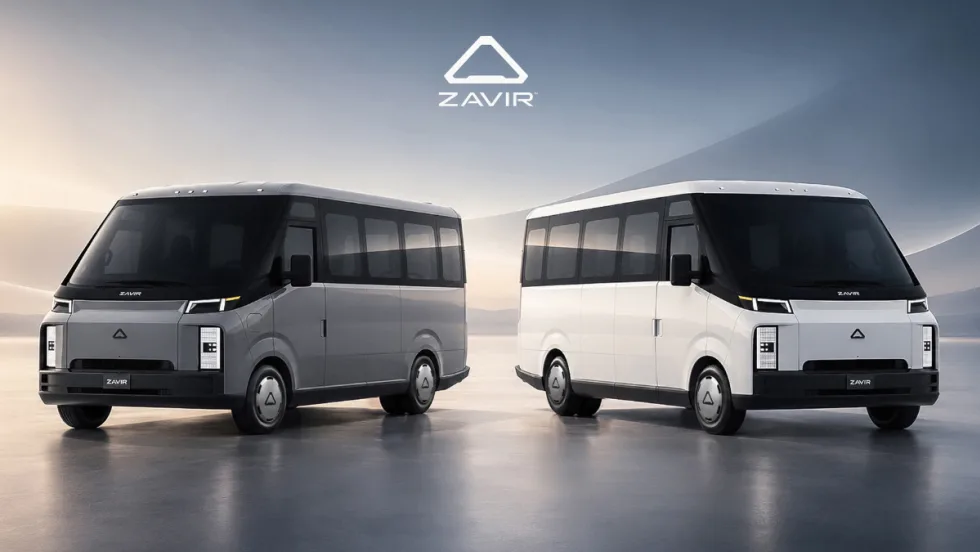
ENC Unveils ZAVIR Medium-Duty Electric Shuttle
The new ZAVIR brand targets shuttle and paratransit operations with battery-electric and range-extended electric vehicle options.
Read More →
Public Transit Conference Returning to GFX in 2027, Call for Papers Now Open
The Call for Papers is now open, allowing transit agency professionals and industry experts to help shape the PTC educational program by submitting session ideas for consideration.
Read More →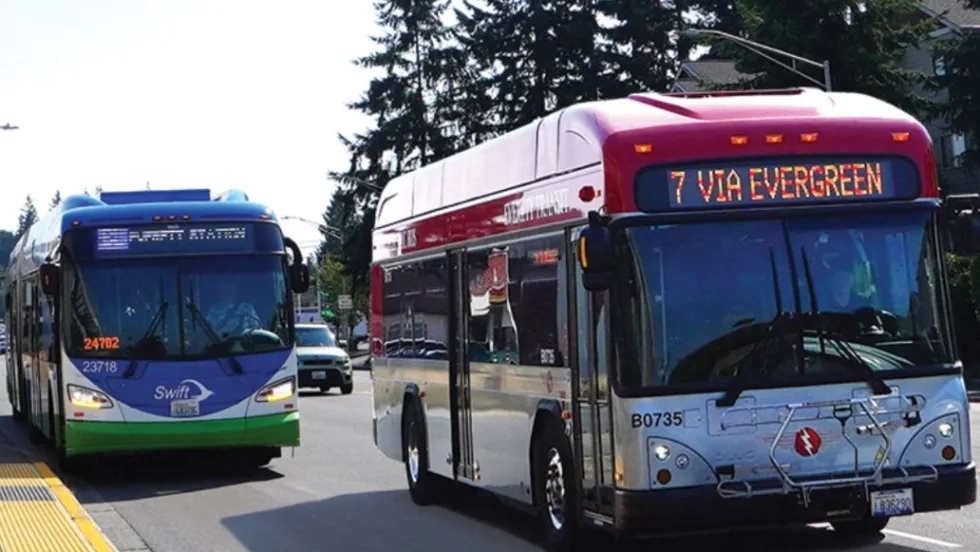
Everett Transit, Community Transit Outline Consolidation Agreement
The proposed agreement calls for a 50% increase in bus service in Everett, a new microtransit zone, continued paratransit service, and the transfer of Everett Transit operations to Community Transit.
Read More →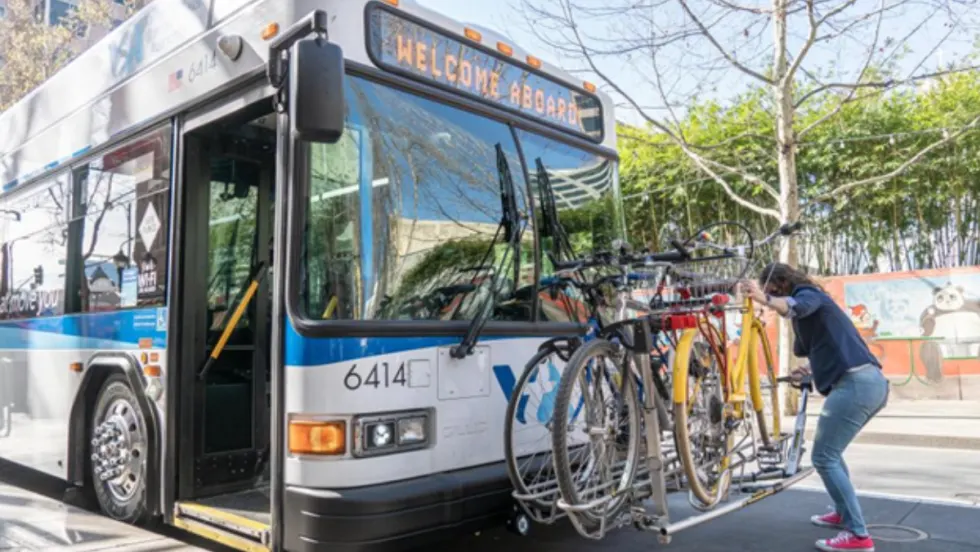
What Multimodal Data Can Tell Transit Agencies About Rider Demand
See how bike-on-bus data is giving transit agencies new insight into rider demand, capacity constraints, and gaps in first- and last-mile connections.
Read More →
From Hardware to Digital Partner: Luminator Charts Its Next Chapter
CEO Magnus Friberg discusses Luminator’s shift toward becoming a digital partner, the growing importance of software and interoperability, and how AI can help agencies improve operations and passenger experience.
Read More →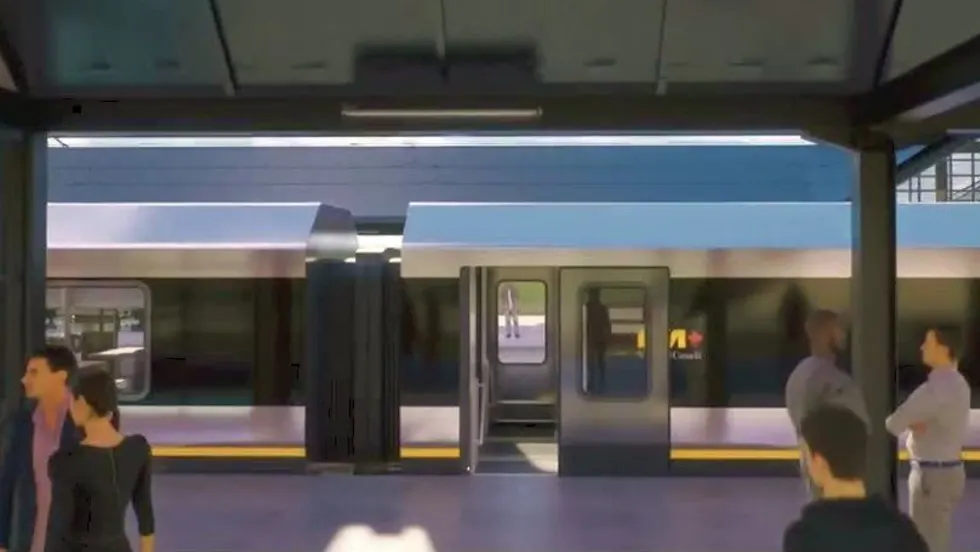
Biz Briefs: Alstom Lands Canadian Contract, LYT to Supply California TSP, and More
In METRO's latest installment, we take a look at recent news from Complete Coach Works, Beep, FlixBus, and more partnerships making headlines across the transportation sector.
Read More →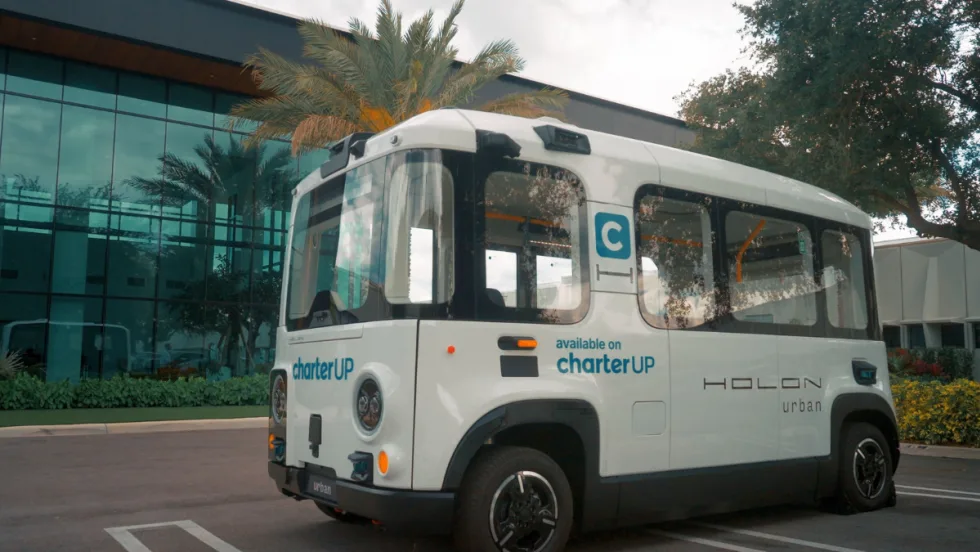
CharterUP’s Armir Harris on Technology, AI, and the Future of Group Mobility
In a recent episode of METROspectives, CharterUP Founder/CEO Armir Harris discussed the company’s evolution from an online charter bus marketplace into a technology platform supporting public- and private-sector mobility and much more.
Read More →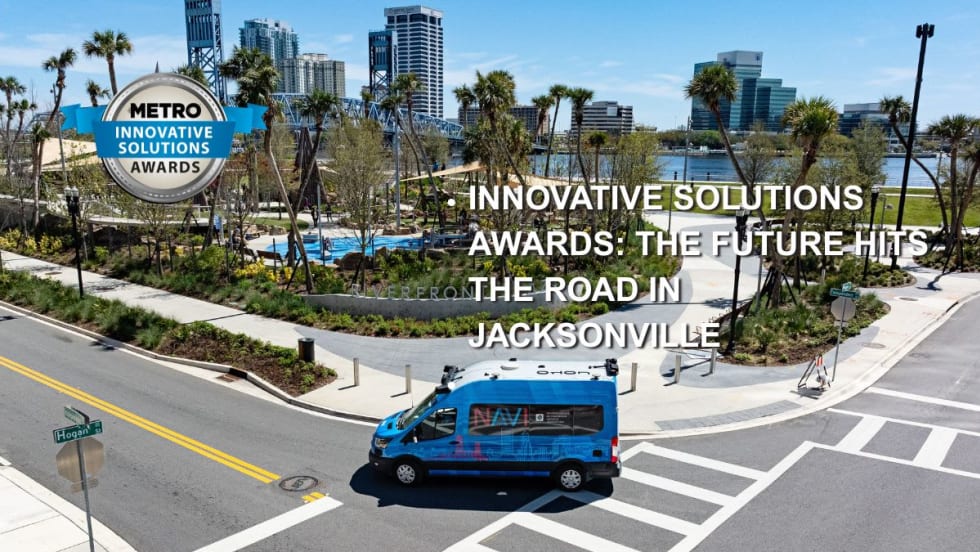
Jacksonville’s NAVI Project Charts a New Course for Autonomous Public Transportation
Through its NAVI program, JTA is showing how autonomous vehicles, intelligent infrastructure, and coordinated operations can work together to deliver everyday public transportation.
Read More →
Biz Briefs: Luminator Marks Milestone and More
From manufacturers and suppliers to transit agencies and motorcoach operators, these updates offer a snapshot of the projects, partnerships and business moves driving the industry forward.
Read More →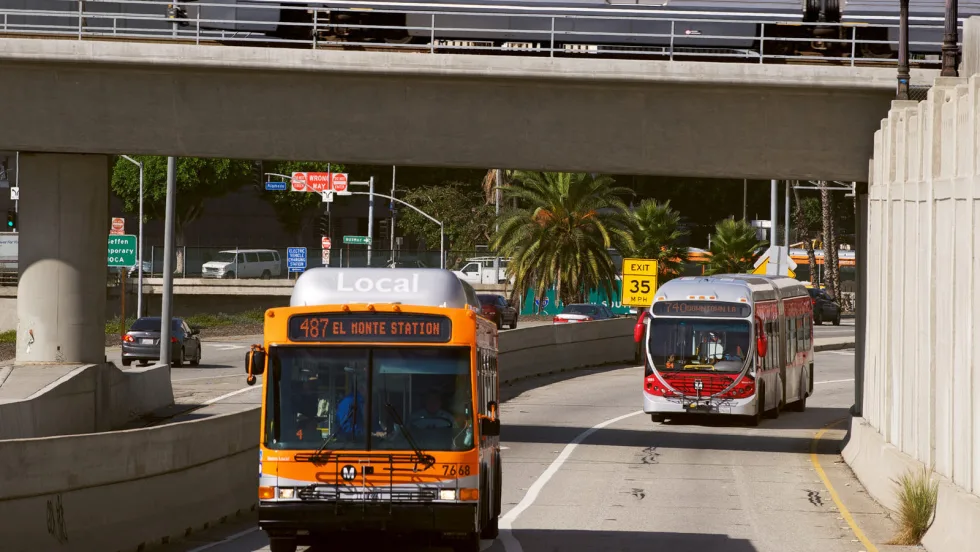
New Tricks for Old Bureaucracies: Joshua Schank on Making Transit Innovation Stick
Former LA Metro Chief Innovation Officer Joshua Schank discusses why good ideas aren't enough, how transit agencies can overcome resistance to change, and why today's challenges demand more innovation.
Read More →