



Web Extra: Are universities cutting summer transit services?
With many universities around the nation providing transportation to its students, faculty and staff, the summer break poses an interesting dilemma since there are significantly fewer people on campus. However, there is still a need for summer transportation and late night services, which could be costly to provide for universities and local transit agencies.

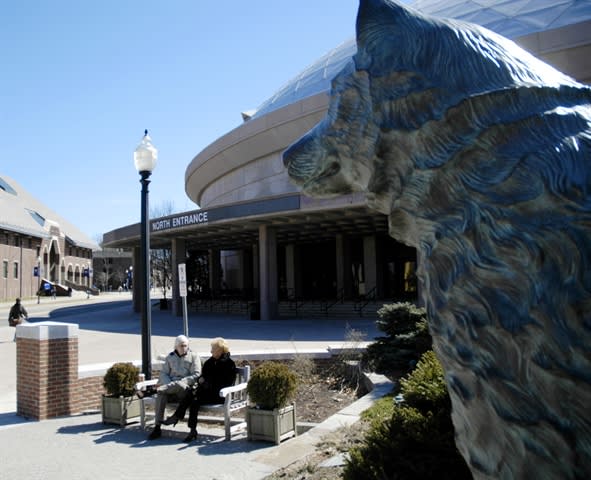
The University of Connecticut provides both regular and late-night services during the summer months.
[IMAGE]husky020-6.jpg[/IMAGE]With many universities around the nation providing transportation to its students, faculty and staff, the summer break poses an interesting dilemma since there are significantly fewer people on campus. However, there is still a need for summer transportation and late night services, which could be costly to provide for universities and local transit agencies.
METRO Magazine asked university and public transportation officials the following questions: Do you provide summer or late night service to the university's student, faculty and staff? If so, which? Also, will you provide those services during the summer break? Please discuss some of the reasons/factors that played into your decision as well as the costs associated to continue the service through the summer. How were these costs covered?
Here are some of their responses:
At this time Baylor University does not provide Baylor University Shuttle (BUS) service during the summer or late at night. Demand for such services at these times is relatively low. Unique transportation needs are supplemented by some van and golf cart services provided by our department of Student Life. These solutions have worked very well for our campus.
Matt Penney, Director of Parking & Transportation Services
Baylor University
We do provide both, late-night and summer services. We operate a reduced service during the summer, going from 13 buses on six routes during the academic year to three buses on three routes during summer and winter breaks. We do not operate late-night during the summer. Late-night service operates only on Friday and Saturday nights during the academic year, until 2 a.m. We also reduce our student workforce by about 75 percent during the summer and winter breaks.
There are still many faculty and staff on campus during the summer and winter breaks, as well as students taking courses, conference and athletic camp participants, and families touring campus and attending orientation events. We do not operate late-night during summer and winter break because the overwhelming majority of resident students are not on campus during breaks. Costs to operate summer and winter break services are calculated into annual operating budgets.
Janet Freniere, Manager, Transportation Services
University of Connecticut
[IMAGE]CU-MTDTransit-Plaza-15-April62011-2.jpg[/IMAGE][The Champaign-Urbana Mass Transit District] (MTD) does indeed provide service to the University of Illinois campus during summer. All routes operate during summer, but at a reduced frequency (20 or 30 minute headways instead of 10 minute headways). Very late night service (after midnight) does not to operate during summer but service does run until midnight.
The primary reason for the reduced level of service is that there are far fewer students on campus during summer. MTD's high levels of campus service are funded by a combination of a student fee, paid each semester and endorsed by the students in a vote every three years, and a contract directly with the university. During the fall and spring semesters, MTD routes on and near campus operate at 10-minute frequencies and several operate nearly 24 hours per day.
Jan Kijowski, Marketing Director
Champaign-Urbana Mass Transit District
Northern Arizona Intergovernmental Public Transportation Authority is launching a new high frequency bus route that uses a partial dedicated transitway through campus. The route will provide 10 to 15 minute service throughout the year in low-floor hybrid-electric vehicles from 6:30 AM to 8:30 PM.
The new route is in a densely populated area and service is warranted year-round. Flagstaff voters approved a transit tax at super-majority levels in 2008 to pay for half of the operating costs and the[Northern Arizona University] is paying the other half.
Jeff Meilbeck, GM
Northern Arizona Intergovernmental Public Transportation Authority
In summer months we only end service a little early on a couple of routes that have a little bit of overlap with other routes. You can still get everywhere on campus by bus/ short walk.
USF is a very active campus during summer, our ridership drops off some but there are three summer sessions and constant need for access to labs/library etc. We have a very large on-campus population and within a mile of campus. Many of our off campus populations are not in very walk able scenarios.
[IMAGE]NAUbuslinerenderingWeb-2.jpg[/IMAGE]Rick Fallin, Transit Manager
University of South Florida
We provide summer service, although we reduce the frequency of one of the routes from 15 to 30 minute frequency. Bus service ends at 9:30 p.m. year-around.
We do not have special routes that just serve campus; all of our routes that go through campus are also serving the general community. We reduce the frequency on one route, as noted above, as a cost saving measure because the demand drops during the summer. The costs of providing all our service are covered through federal, state, local subsidy, fares and miscellaneous revenues. The university does not contribute financially to cover the cost of our service.
Mary Gaston, Assistant GM
Muncie Indiana Transit System (MITS)
Yes, we do provide the on demand late night shuttle service on campus, and it is covered in the regular student transportation fees. We have many graduate students who still work late in the evening during the summer, even if they are not in regular classes but are here late to carry out their research. We don't run as many buses since ridership is down from 400 to 600 a night during fall and spring to about 100-plus during the summer. We don't provide regular night bus service during the summer.
Gary Graham, Director, Office of Parking, Traffic and Transportation Louisiana State University
Our housing shuttle does provide 24/7 service 7 days a week during the academic year. Then, in the summertime, for the housing facilities that are open, we provide different types of service that are essentially 24-hour coverage: during the daytime it's continuous service and at night it becomes a call-out service.
Scott Peak, Director, University Housing
University of Wisconsin-Milwaukee
More Bus
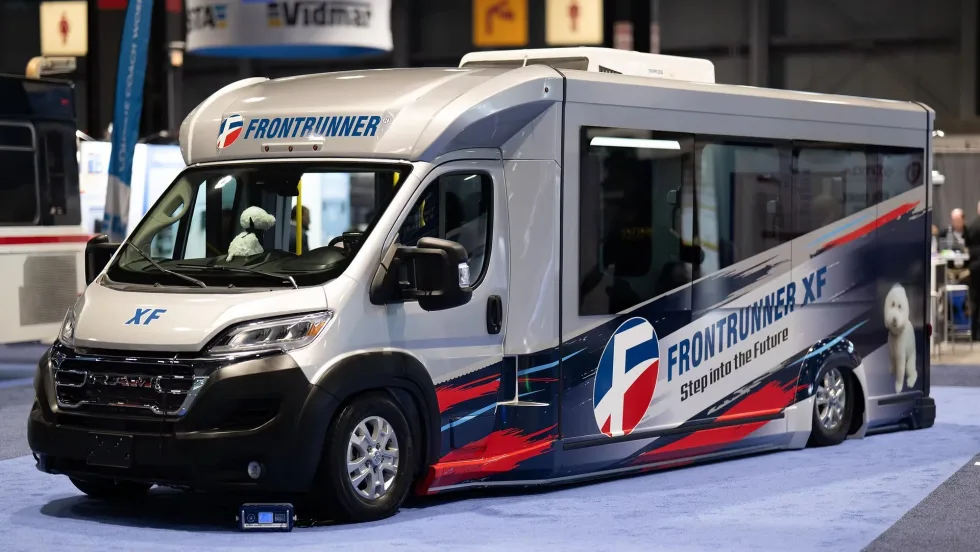
Frontrunner Bus Group Introduces XF Low-Floor Bus with Enhanced Accessibility
The new mid-sized bus features a full flat-floor design, eight-inch curbside step-in height, and zero-entry rear ramp to improve passenger access and operational flexibility.
Read More →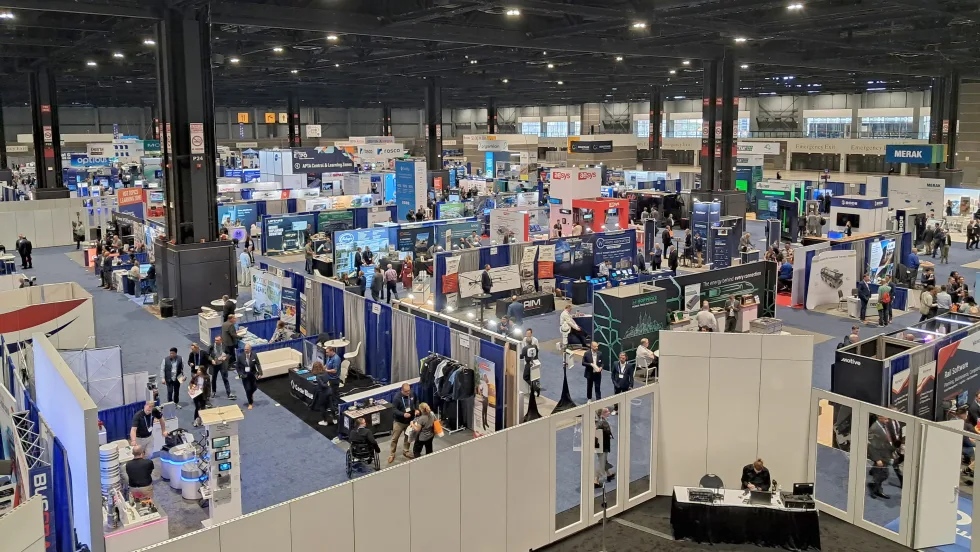
Scenes from APTA TRANSform & EXPO 2026
Transit leaders, manufacturers, and industry professionals gathered in Chicago to explore new technologies, share ideas, and discuss the future of public transportation.
Read More →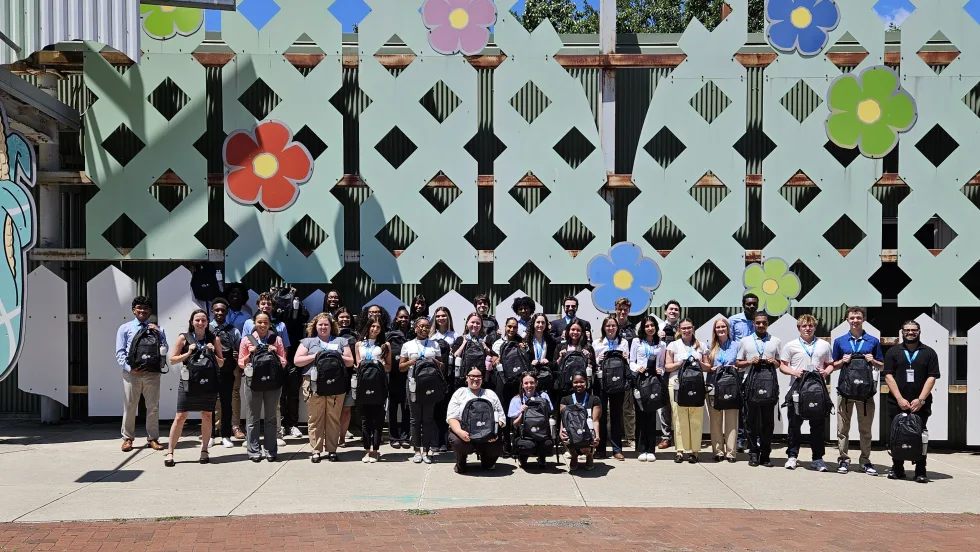
More Than a Summer Job: Building the Next Generation of Transit Talent
The Delaware River Port Authority and PATCO have transformed their internship program into a hands-on professional development experience that introduces students to the breadth of transportation careers — and creates a pipeline for future employees.
Read More →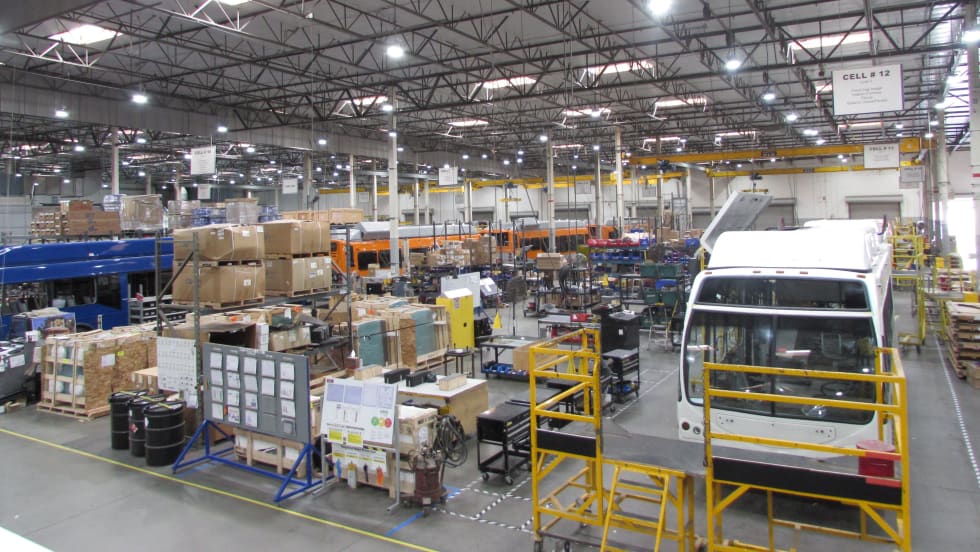
LA Metro Board Awards 220 Battery-Electric Bus Contract to ENC
The contract, which is the largest base award of battery-electric buses by a U.S. transit agency, will be built in Southern California, sustaining good jobs as LA prepares to welcome the world in 2028
Read More →
Public Transit Conference Returning to GFX in 2027, Call for Papers Now Open
The Call for Papers is now open, allowing transit agency professionals and industry experts to help shape the PTC educational program by submitting session ideas for consideration.
Read More →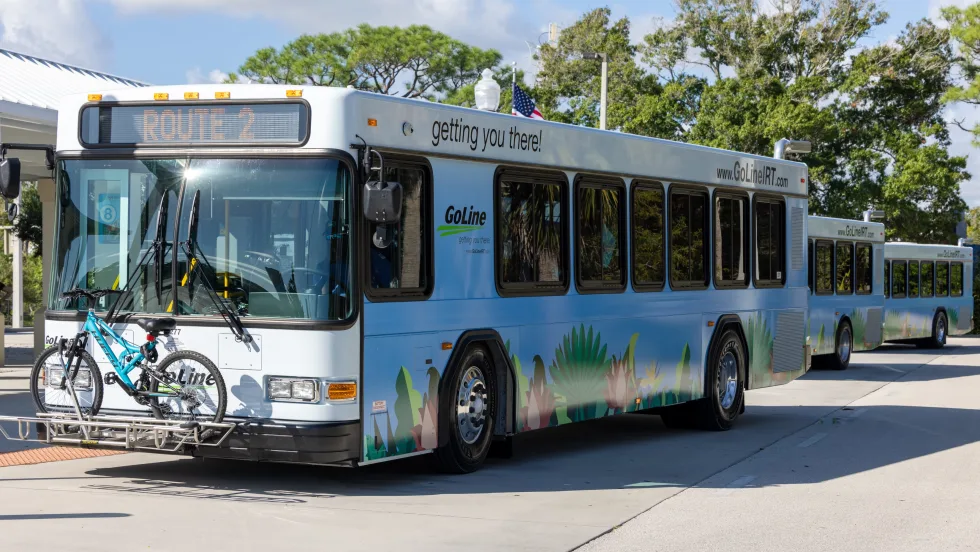
Indian River Transit’s Community-Focused Approach Earns National Recognition
Named APTA’s 2026 Outstanding Public Transportation System in its size category, Florida’s Indian River County transit system continues to grow ridership through fare-free service and a focus on evolving community needs.
Read More →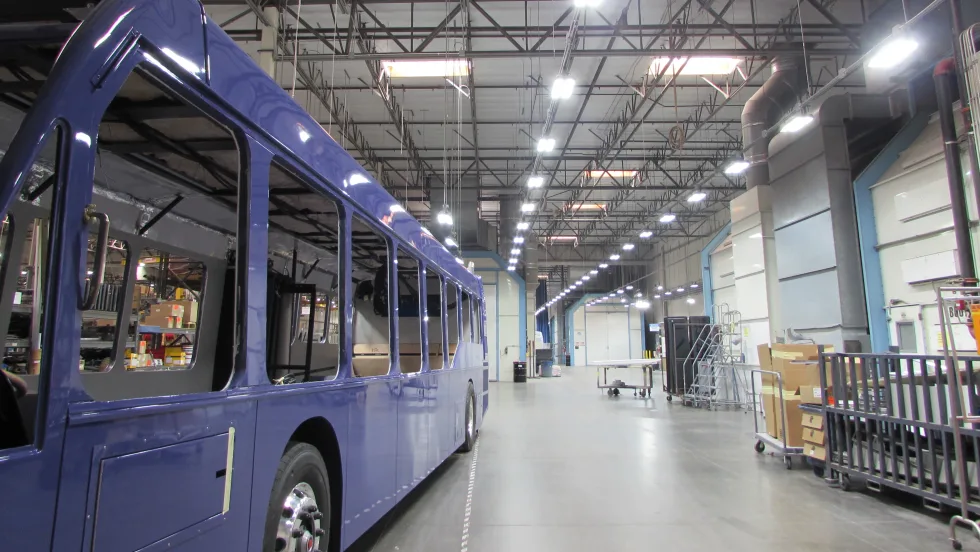
ENC Lands MATA Contract and More in Biz Briefs
In this edition of Biz Briefs, we spotlight the latest developments shaping the future of mobility.
Read More →
From Surviving to Thriving: Building Stronger Transportation Organizations
Bus Business Consultants founder Brian Dickson shares lessons on leadership, organizational health, and creating options for long-term success in a changing transportation industry.
Read More →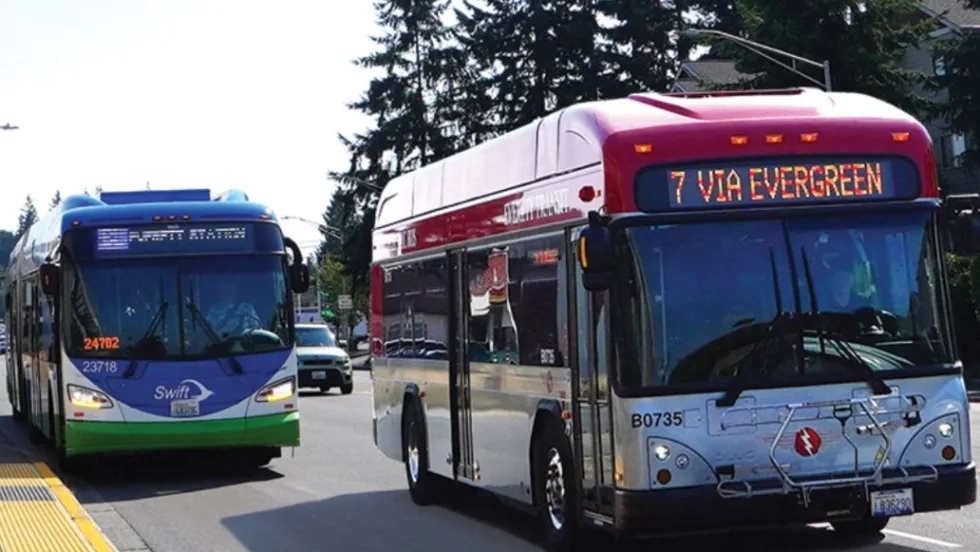
Everett Transit, Community Transit Outline Consolidation Agreement
The proposed agreement calls for a 50% increase in bus service in Everett, a new microtransit zone, continued paratransit service, and the transfer of Everett Transit operations to Community Transit.
Read More →
SEPTA Details Accelerate Vision for Transit System
The plan outlines investments in trolley modernization, new Metro and Regional Rail vehicles, accessible stations, and more frequent bus and rail service.
Read More →