



Wenatchee, Wash.'s Link Transit reaches wireless charging milestone
The wireless charging system was developed by Pa.-based Momentum Dynamics.

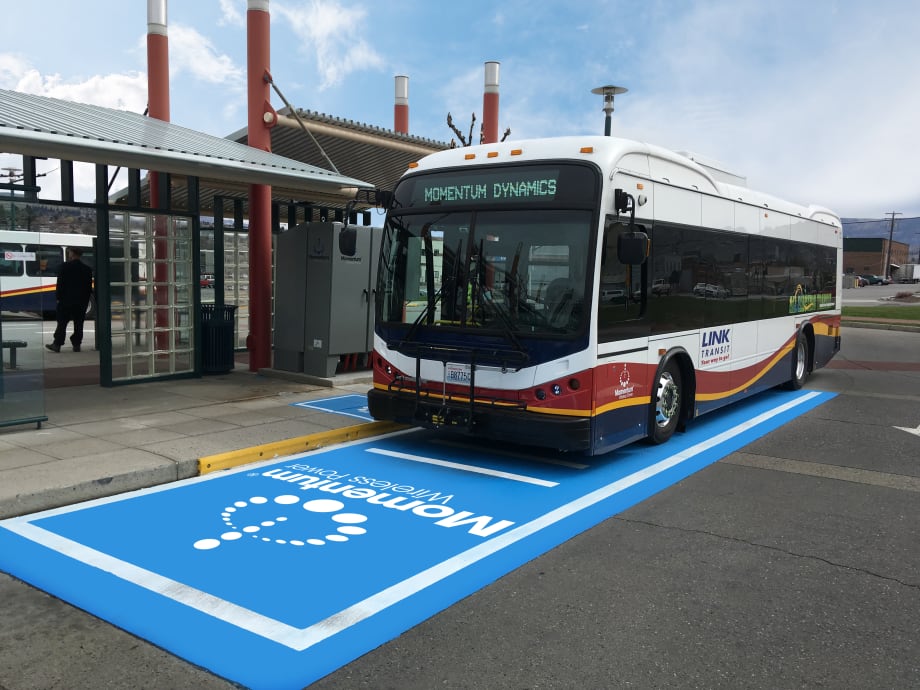
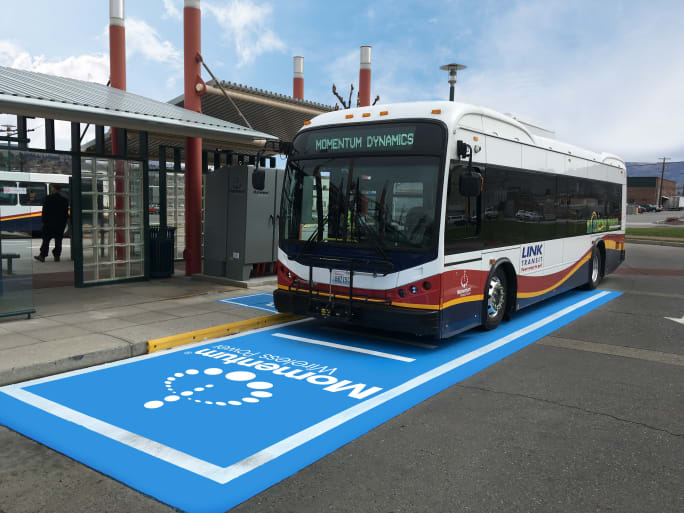
Following this successful program, Link Transit now plans route expansion and will add 10 new electric buses to its fleet in 2020. Momentum Dynamics
Wenatchee, Wash.’s Link Transit achieved 50 megawatt-hours of energy delivered wirelessly to its electric bus fleet. Link Transit is the first electric bus operator in the Americas to reach this technology milestone, and the first in the world to do so in under two years.
Debuting its electric buses on urban routes in 2018, Link Transit elected for wireless charging because of the inherent high efficiency of the system and its ability to allow an electric bus to drive with unlimited range using opportunity charging delivered to the bus along its driving route. “On-route” wireless charging delivers partial charging from a ground pad to a receiver completely automatically to the zero-emission bus without the need for cables. This enables a bus to be charged throughout the day while on its scheduled route without interruption.
The wireless charging system was developed by Pa.-based Momentum Dynamics.
During the 2019-2020 cold winter weather, a Wenatchee bus featuring the wireless system ran a 14-hour scheduled route and maintained its battery charge above 90% throughout the journey. Maintaining battery charge during duty cycle is a key factor in allowing fleets to adopt electric vehicles. Vehicles have an effective range exceeding even diesel buses and return to depot with a nearly full battery which requires significantly less charging overnight, which in turn reduces demand on a depot’s electricity supply and causes less stress to the electric utility.
The wireless system requires no plugs or cables to operate and can be installed within the street pavement, or on a garage floor, making the automatic system both silent and invisible at the point of charging. This is especially important to cities as they seek range-extending charging infrastructure that does not necessitate the adoption of prohibitively expensive and visually obtrusive plug-in or overhead charging systems on public streets.
Following this successful program, Link Transit now plans route expansion and will add 10 new electric buses to its fleet in 2020. All buses will be fitted with Momentum Dynamics' wireless charging receivers and Momentum will provide three additional on-route charging stations, each capable of delivering 300kw.
More Zero Emissions
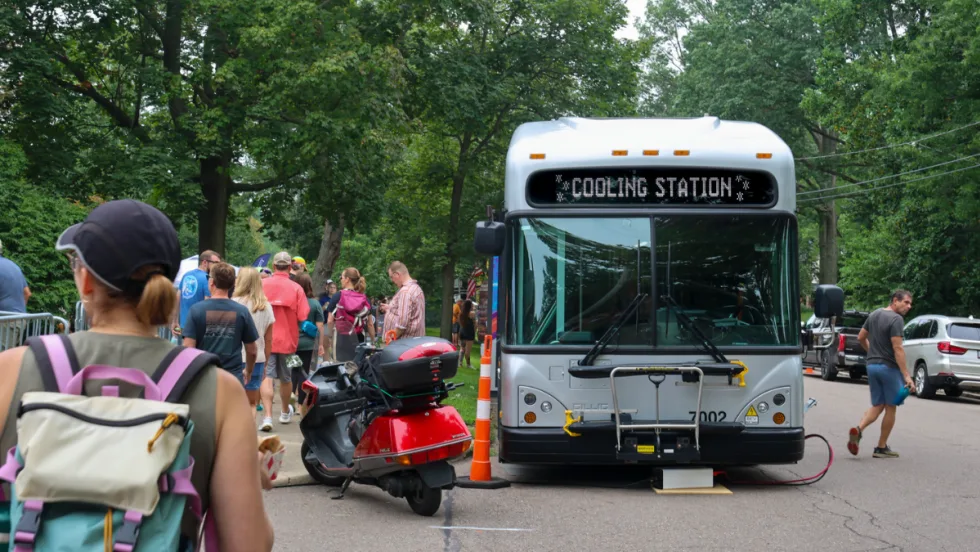
Ohio’s METRO RTA Turns Electric Buses into Mobile Power Sources at PorchROKR
See how three Gillig battery-electric buses powered festival stages while the agency’s new Park & Ride service carried approximately 1,000 attendees, demonstrating another potential use for transit agencies’ electric fleets.
Read More →
CALSTART and Forth Combine to Form Catalyst Mobility
The new name represents a renewed vision for the nonprofit focused on advancing clean, equitable, and affordable transportation solutions that move people and goods.
Read More →
Building a Flexible Path to Transit Electrification
John Hroncich discusses BAE Systems’ modular and scalable approach, lessons learned from decades of real-world operations, and how agencies can identify electrification strategies that fit their fleets.
Read More →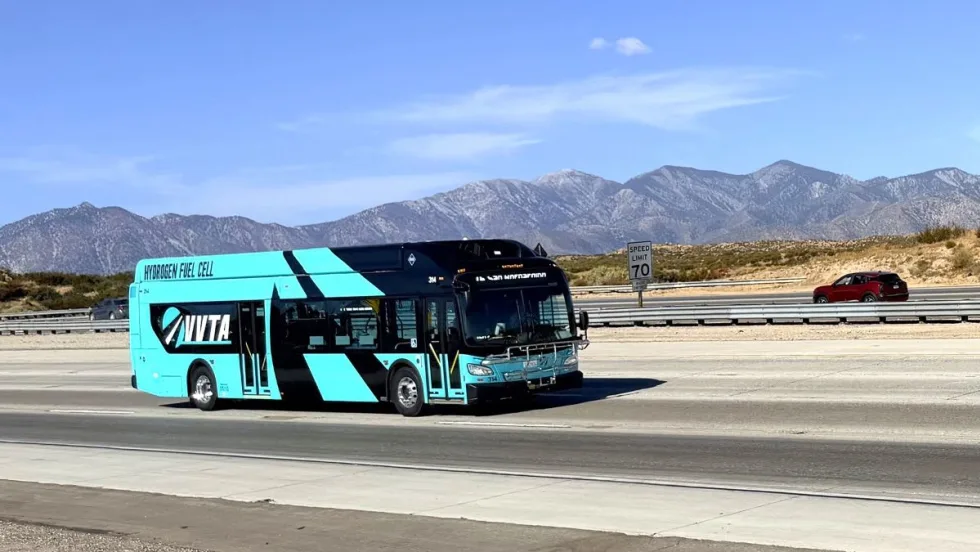
California's VVTA Begins Phased Rollout of Hydrogen Fuel Cell Buses
The agency is introducing 13 zero-emission buses into revenue service while evaluating performance across its urban, rural, and long-distance routes.
Read More →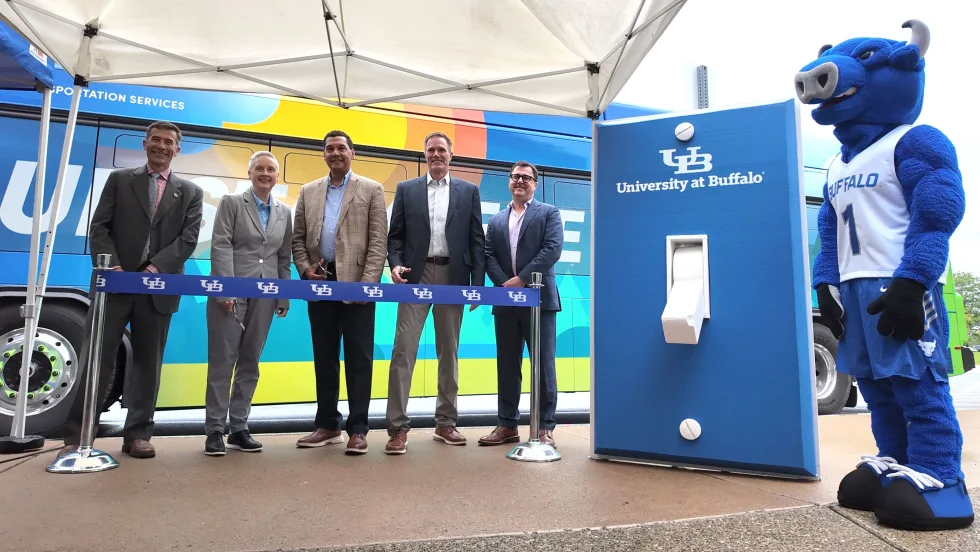
Inside Look: University at Buffalo Puts First 8 Electric Buses Into Stampede Service
UB, transportation solutions provider WeDriveU, and fleet electrification specialist Zenobē marked the deployment in the presence of students, university administrators, and local officials.
Read More →
Biz Briefs: OCTA Taps Clean Energy for Hydrogen Station, Stadler to Supply Via Rail Vehicles, and More
From manufacturers and suppliers to transit agencies and motorcoach operators, these updates offer a snapshot of the projects, partnerships and business moves driving the industry forward.
Read More →
AC Transit’s Cecil Blandon on Building the Next Generation of Transit Maintenance Leaders
The agency’s maintenance chief discusses leadership, workforce development, zero-emission technology, and preparing technicians for the future of public transportation.
Read More →
CTDOT Taps STV for Electric Bus Facility Design
The firm will work with CTDOT and RVT to define the facility layout, operational requirements, and long-term flexibility for RVT’s growing electric fleet.
Read More →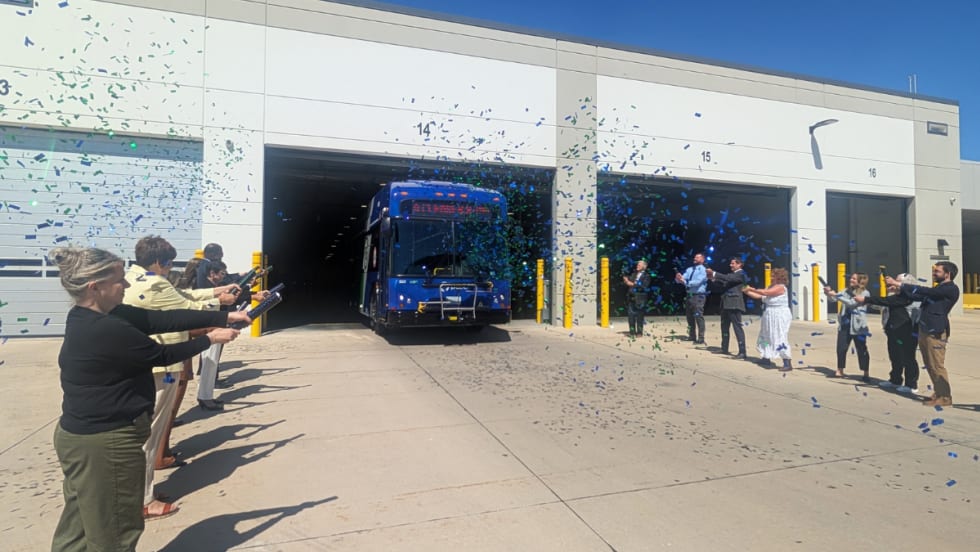
Chicago’s Pace Deploys 24 Hybrid-Electric Buses in Will County
The new buses reduce emissions and fuel consumption while advancing the agency's long-term goal of transitioning to a fully zero-emission fleet.
Read More →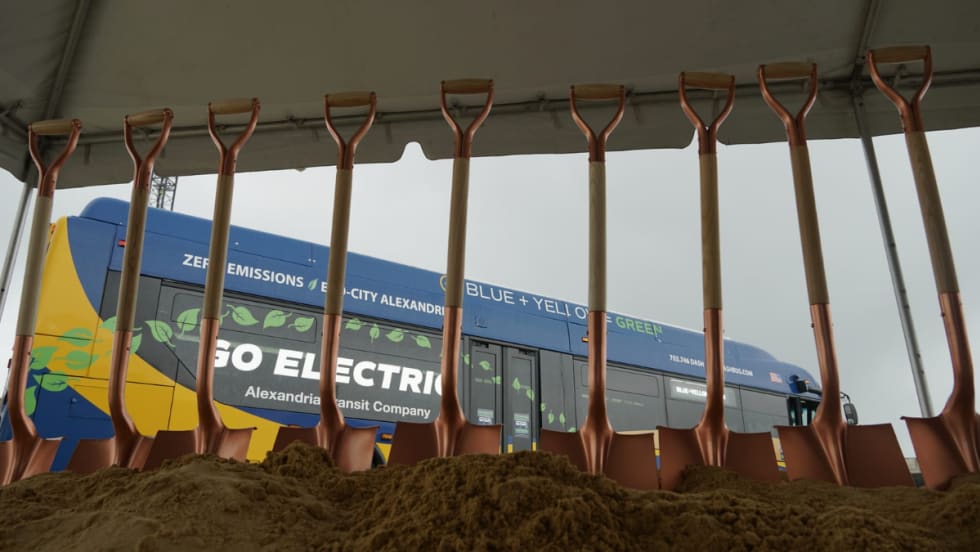
DASH Breaks Ground on First On-Route Electric Bus Chargers in D.C. Region
The fast-charging infrastructure will help extend electric bus range, improve fleet utilization, and support DASH's goal of transitioning to a fully zero-emission fleet.
Read More →