
Metro Magazine

 MENU
MENU SEARCHMENUSEARCH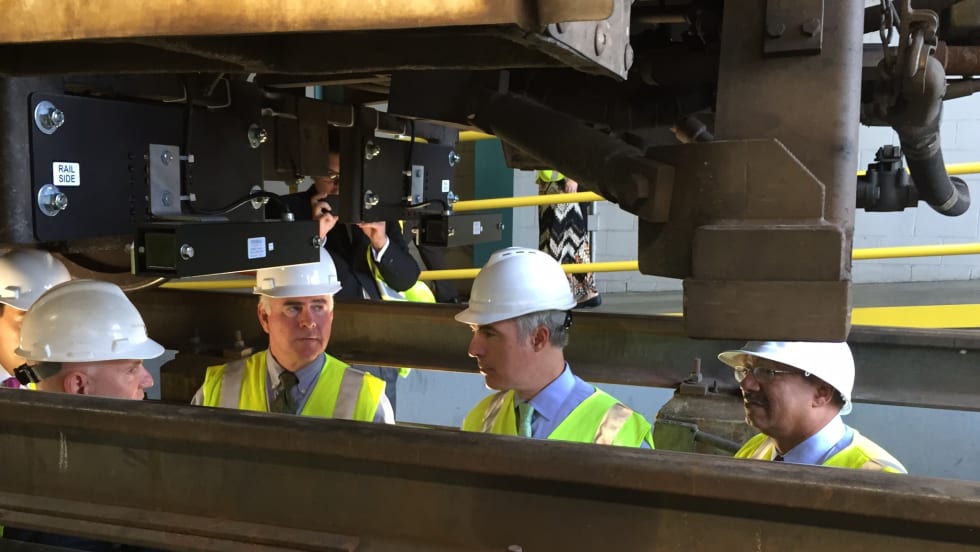
While PTC may have just recently entered the consciousness of the public at-large, it has been an issue for freight and commuter rail systems since Congress passed the Rail Safety Improvement Act (RSIA) (P.L. 110-432) in 2008 following the collision between a Metrolink commuter train and a Union Pacific freight train in Los Angeles. Since that time, rail organizations have been working toward meeting the federally-mandated PTC implementation deadline of December 31, 2015. With less than six months to go, several commuter rail systems have said that, not only will they not meet the deadline, they will need several more years before having full PTC implementation on their trains.
Read More →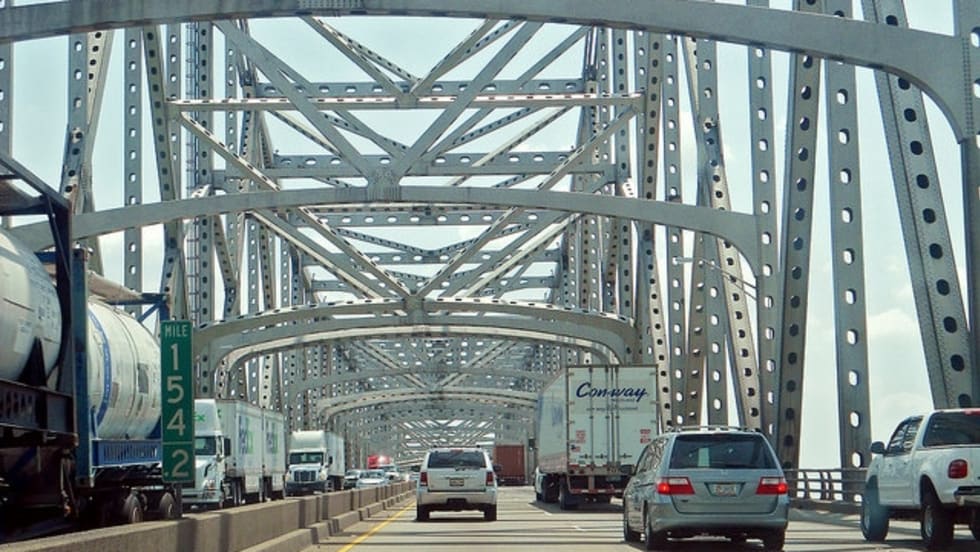
Trains would travel along tracks used for carrying freight stopping at up to seven possible stations, at a top speed of 79 mph. Instead of traveling back and forth up to eight times a day, there would be a morning train leaving in both directions, and an evening train taking passengers home, per revised plans.
Read More →
The Highway Account is anticipated to dip below the $4 billion threshold, triggering cash management procedures and leading to delayed reimbursements to the states. Agency will also have to furlough employees.
Read More →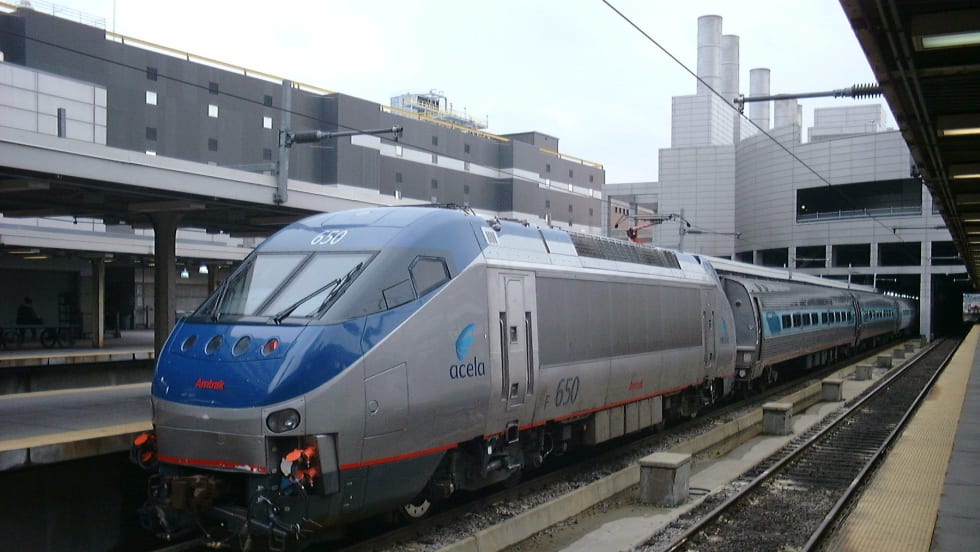
Also reiterates recommendations on audio/image recorders, as well as asked Amtrak to report twice a year on its progress in the installation of the recorders.
Read More →
The new generation of hybrid shunting locomotive will be used at Volkswagen’s Wolfsburg plant for zero-emission freight transport, making a sustainable contribution towards reducing CO2 emissions.
Read More →
The Federal Communications Commission, however, warned the system could face "harmful interference" from rival freight railroad systems along another busy track between Boston and New Haven, Conn.
Read More →
Along with partners REI and Engraph Software, outfitted Cheyenne Transit Agnency's fleet of 19 vehicles with computer aided dispatch and automated vehicle location systems powered by ETA’s landmark SPOT™ technology.
Read More →
In most organizations, 80% to 95% of all bus operators are found to be safe, reliable and courteous, but often, they don’t know it because nobody tells them. If safe bus operation represents a core value for your property, what are you leaders doing to encourage and reinforce the desired behaviors among your bus operators?
Read More →
The company was recognized for exceeding delivery expectations for the fourth year in a row.
Read More →
Overall rider satisfaction has increased due to the availability of real-time arrival predictions via public and mobile websites, as well as the newly-launched SPOT mobile app.
Read More →