
Metro Magazine

 MENU
 SEARCHMENUSEARCH
Loading data...

The innovation is the first global test funded by the US DOE of an on-demand transit product guaranteeing riders will make their connection to a bus or train on-time at Kent Station in Seattle.
Read More →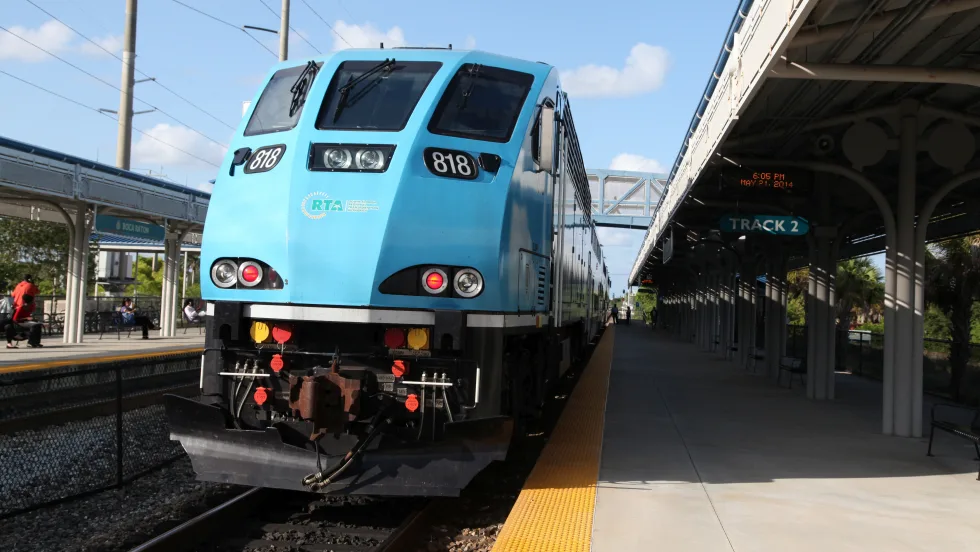


Tri-Rail has achieved pre-pandemic ridership as they served 4.4 million riders in 2024, bringing them over the 4 million mark for the first time since 2019.
Read More →New resolutions may slow clean vehicle adoption, stalling momentum for zero-emission transportation and public health safeguards.
Read More →Why it's time for public transit agencies to shift focus from the size of their budgets to how effectively those funds drive service on the street.
Read More →The Mystery Line Find & Dine is the first event in an 18-month campaign that will highlight the less obvious advantages of riding public transportation.
Read More →In addition to training and performance monitoring, anti-collision systems and lane departure management, are some tools being used by today's passenger carriers to ramp-up safety efforts.
Read More →Flexible in the extreme, BRT can be implemented in stages and allowed to develop its ridership over time -- either as an end unto itself or as a prelude to a rail system. That underlying reality is one of BRT's most appealing virtues: even in the most difficult of financial times, small and large metropolitan regions alike still need public transportation.
Read More →Despite much turbulence, 2023 transit bus deliveries grew for the first time since COVID.
Read More →President Dwight D. Eisenhower's Federal Aid Highway Act, signed in 1956, marked the first time in U.S. history the federal government assumed a greater role in providing transportation infrastructure to the nation. Since then, the devolving role of the federal and state government has resulted in local governments stepping up to maintain and expand our transportation infrastructure.
Read More →