



OCTA CEO: Transportation funding facing a changing landscape
President Dwight D. Eisenhower's Federal Aid Highway Act, signed in 1956, marked the first time in U.S. history the federal government assumed a greater role in providing transportation infrastructure to the nation. Since then, the devolving role of the federal and state government has resulted in local governments stepping up to maintain and expand our transportation infrastructure.
In 1956, President Dwight D. Eisenhower signed the Federal Aid Highway Act, a bill that made it easier for Americans to connect, from the Liberty Bell to the Golden Gate Bridge and the Windy City to the Big Easy.
That legislation marked the first time in U.S. history the federal government assumed a greater role in providing transportation infrastructure to the nation. Funded through the federal gas tax, — previously used to help balance the budget — the Highway Act provided a dedicated and reliable revenue stream to build the interstate highway system.
Constructing the system proved to be an economic boom for the country. However, the success was fleeting because the federal gas tax was insufficient to meet the nation’s growing travel needs. Starting in the 1970s, federal gas tax revenues declined as the nation experienced the first fuel crisis. This led many states to impose their own or raise existing gas taxes to keep pace with dwindling revenues and rising costs.
Gas taxes do not grow with the economy and are an unreliable source of revenue for transportation projects and programs. Today, the issue has become more alarming as improved fuel efficiency of new cars is causing less fuel to be consumed per mile, resulting in less fuel tax collected.
Although the federal government recently passed a continuing resolution to keep federal funds flowing until the end of September, the outlook for transportation funding is bleak.
The situation is similar at the state level given the struggle with lower sales tax revenue. We can anticipate a further decline in transportation funding from the federal and state governments.
The devolving role of the federal and state government has resulted in local governments stepping up to maintain and expand our transportation infrastructure.
Self-help counties, those with local sales-tax measures, are a saving grace for many regions where keeping up with the pace of growth is proving to be a continuing challenge.
The diminishing funds available from federal and state transportation sources gave way to the emergence of self-help counties in the early 1980s. Here in California, for example, 19 self-help counties now encompass 81 percent of the population and provide more than $4.2 billion annually for local transportation improvements.
And in Orange County, Measure M, the half-cent sales tax for transportation improvements, changed the landscape of transportation in Orange County by adding 192 freeway lane miles, improving 170 intersections and 38 freeway interchanges, and implementing commuter-rail throughout the county.
For counties with a strong tax base, local sales-tax measures have proven to be a successful model, but it is not the only solution. There needs to be a unified approach including local, state, federal and private dollars that responds to the fluctuations in the economy while paving the way for long-term growth and stability. In addition, we need to make the development process more efficient to deliver projects faster and reduce costs.
The Federal Aid Highway Act bridged the gap between the four corners of the U.S., but today the challenge lies with preserving that connection and preparing our transportation system to meet the needs of future generations.
In case you missed it...
Read our METRO blog, "California: the last hope for high-speed rail" here.
More Blog Posts
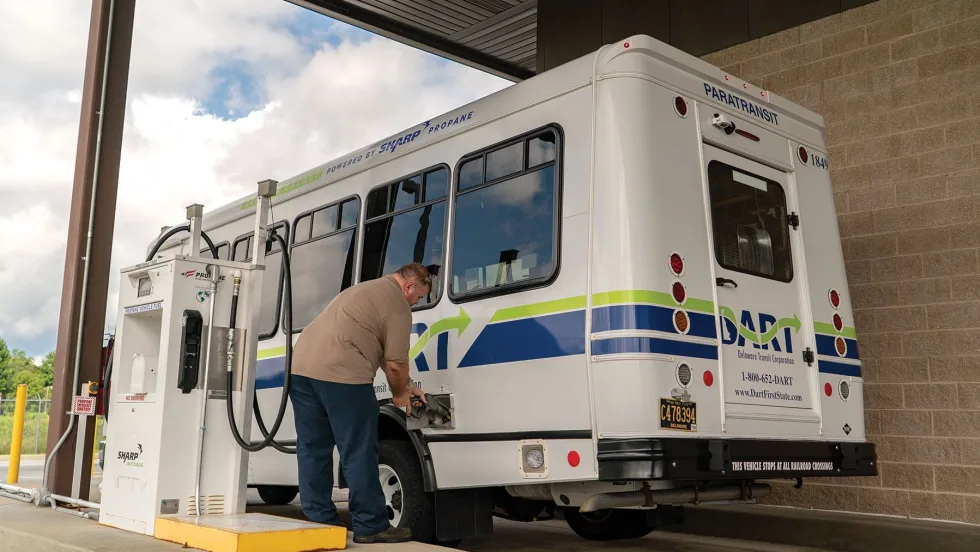
Building a Winning FTA Grant Proposal: Why Propane Autogas is the Pragmatic Choice for Fleet Resilience
With $610 million available through the FY 2026 Buses and Bus Facilities Competitive Program and the Low or No Emission Grant Program, agencies must build a compelling case before the September 21 deadline that balances environmental compliance with operational feasibility.
Read More →
Velo-city Conference 2026: Latest Trends in Cycling as Part of Urban Mobility
The global cycling conference highlighted how cities are integrating bicycles into multimodal transportation networks, expanding cycle tourism and reshaping urban mobility.
Read More →
Kindness Isn’t Soft...It’s Strategic.
Mike Bismeyer — often known as “The Kindness Guy” — has spent more than 17 years in public transit and mobility, serving in industry leadership roles, speaking across North America, and advocating for stronger workplace cultures. But his message doesn’t come from theory. It comes from lived experience.
Read More →
Inside ITF 2026: Transport Reacts to A Challenging World
Transport leaders from around the world gathered in Leipzig, Germany, for the 2026 International Transport Forum to discuss resilience, climate impacts, supply chains and the future of sustainable mobility.
Read More →
Every Ride Tells a Story — But You’re Not Just Selling the Ride
You’re selling the moment, the meaning, and the emotion behind it.
Read More →
How Digital Signage is Reshaping the Traveler Experience at Transportation Hubs
What was once a landscape of static signs has evolved into a responsive, immersive environment powered by real-time visual communication.
Read More →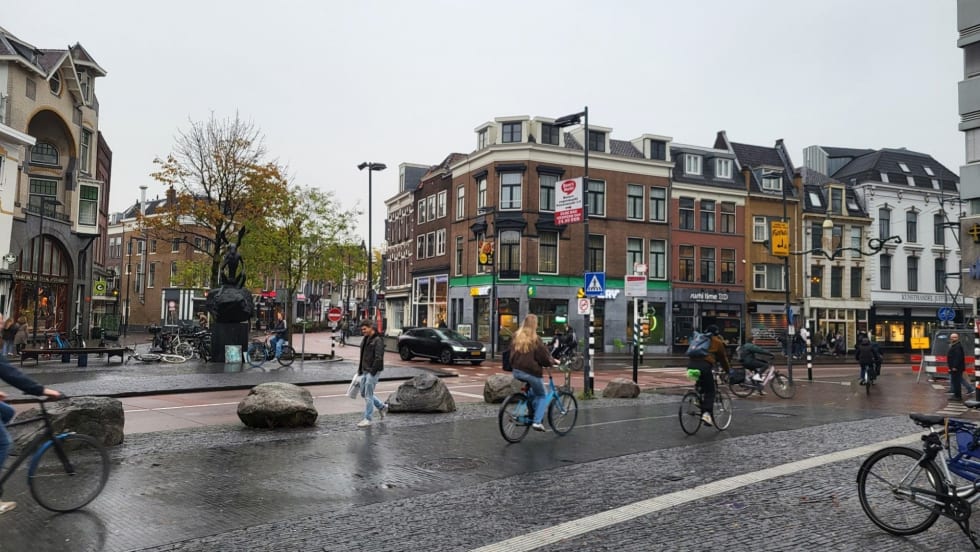
Latest Trends in Urban Mobility from Polis Conference 2025
Polis comprises cities and regions, as well as corporate partners, from across Europe, promoting the development and implementation of sustainable mobility. This year’s event had over a thousand attendees across various policy forums and an exhibition.
Read More →
Why Transit Leaders Require Better Tools for Operational Clarity In Today’s Tech-Fragmented Environment
Across North America and beyond, transit agency officials are contending with a perfect storm of operational headaches and strategic challenges that hamper daily service and long-term progress.
Read More →
The Powerless Brokers: Why California Can’t Build Transit
It is no secret that transit in the U.S. is slow and expensive to build.
Read More →
Why Transport Sustainability Should Focus on People Instead of Cars
Simply incentivizing electrification is not enough to make a meaningful impact; we must shift our focus toward prioritizing public transportation and infrastructure.
Read More →