



From Budget Size to Service Impact: Rethinking Public Transit Investment
Why it's time for public transit agencies to shift focus from the size of their budgets to how effectively those funds drive service on the street.

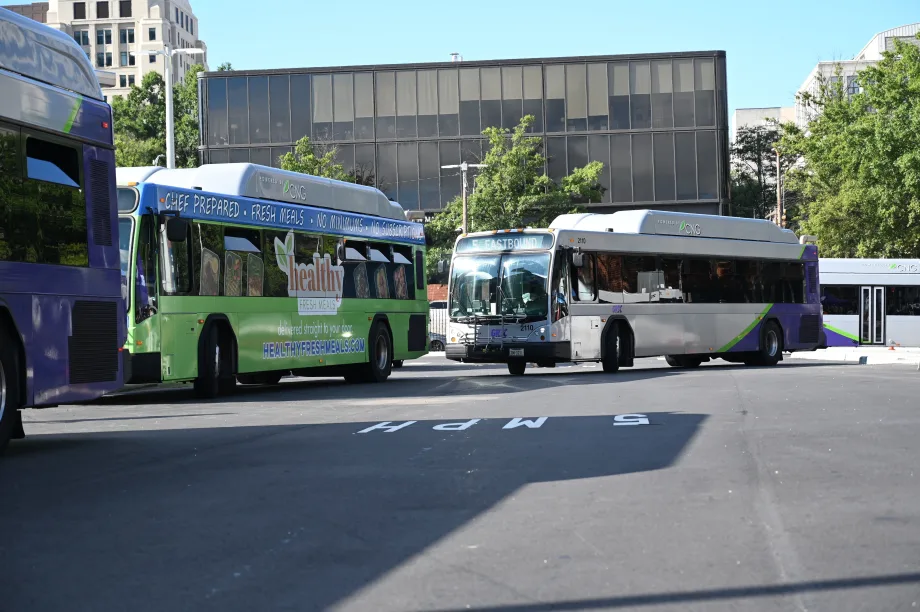
Organizations that earmark 95% for benefits vs. bureaucracy are often most favorably viewed for financial support.
Photo: GRTC
- The article argues for a paradigm shift in public transit agencies, emphasizing the need to prioritize the effectiveness of fund utilization over merely focusing on the budget size.
- It highlights the importance of analyzing how investments translate into actual transit service improvements on the street.
- There is a call for public transit systems to evaluate their impact based on service delivery rather than the magnitude of their financial resources.
*Summarized by AI
In the public transportation industry, the most frequently asked question after "what is your ridership?" is "what is your budget?"
Just as the focus has shifted from measuring volume to balancing ridership with service quality and customer satisfaction, so too should we move beyond simply evaluating budget size and instead examine the percentage of funding allocated directly to service delivery on the street.
A frequently asked question in the not-for-profit industry is what percentage of total donations benefit the people served by the organization. It pays to emphasize direct allocations. Organizations that earmark 95% for benefits vs. bureaucracy are often most favorably viewed for financial support.
The Public Sector Could Benefit from the Same Mindset
We recently worked with one community that was inspired to reallocate nearly 10% of its overall operating budget from administrative spending to actual service on the street. Think of the enormous impact this will have on access to employment and the quality of customer experience.
To successfully adopt a mindset of maximizing service on the street, three fundamental factors must be in place:
Clarity of Outcomes: If the goal of your agency is regulatory compliance and getting a 27/27 in your next FTA Triennial Review, then you might want a much larger administrative spend. If your board has endorsed customer experience, access to jobs, and community value as measurable outcomes, your agency will likely prioritize service over simply spending. It is critical to understand desired outcomes.
Customers vs Capital: If the objective of your agency is to maintain a State of Good Repair of your rolling stock vs delivering an industry-leading Net Promoter Score, then you would likely spend more money on administration, parts inventory, and maintenance. If your agency cares more about the people who use the service than the buses and trains themselves, maximize your spending on happy customers.
Maximize Investment: Much like a not-for-profit reduces overhead costs to maximize mission achievement, shifting mindsets to optimize the resources an agency is provided would be well served to prioritize.
Much like not-for-profit organizations strive to maximize the impact of their resources, public agencies are not inherently underfunded — they are funded to a given level. The essential question is how wisely and effectively those allocated resources are utilized.
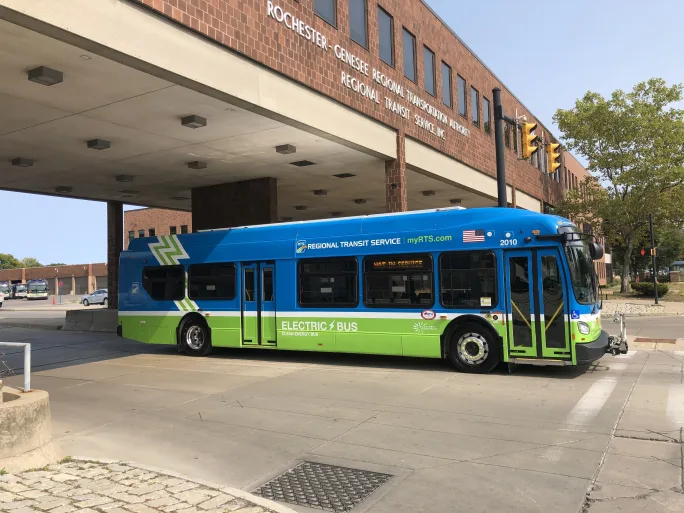
Much like not-for-profit organizations strive to maximize the impact of their resources, public agencies are not inherently underfunded — they are funded to a given level.
Photo: RTS
Choosing Between Maximizing Benefits or Bureaucracy
One community has answered that vital question with a resounding BENEFITS.
As of January, 10% of its operating budget previously allocated to administrative overhead has been redirected to service improvements.
The result is undeniable: tens of thousands of additional service hours now directly serve the community and its customers. Ultimately, the answer must always center on delivering service.
Quick Answers
Focusing on service impact ensures that funds are used more effectively to improve transit operations, enhance rider experience, and meet community needs, rather than simply expanding the budget without measurable benefits.
*Summarized by AI
More Blog Posts
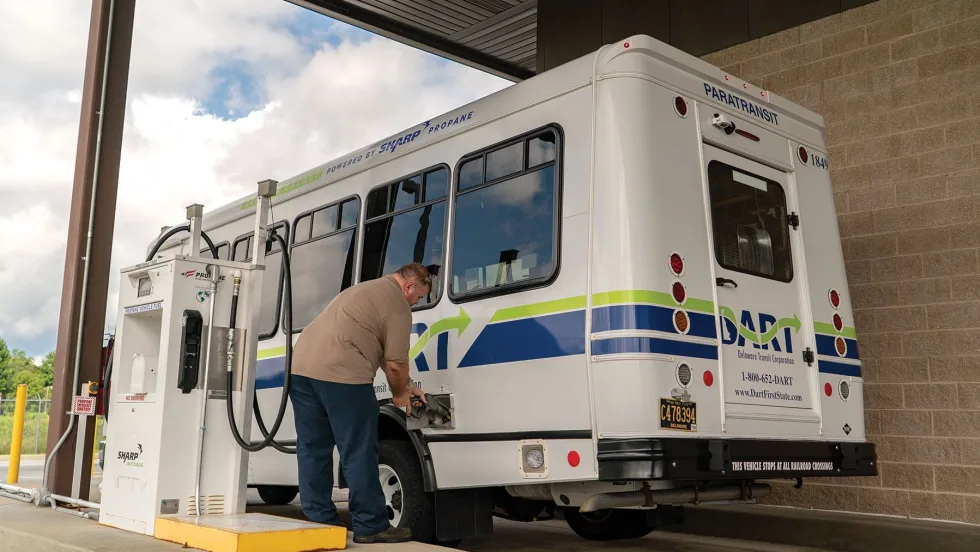
Building a Winning FTA Grant Proposal: Why Propane Autogas is the Pragmatic Choice for Fleet Resilience
With $610 million available through the FY 2026 Buses and Bus Facilities Competitive Program and the Low or No Emission Grant Program, agencies must build a compelling case before the September 21 deadline that balances environmental compliance with operational feasibility.
Read More →
Velo-city Conference 2026: Latest Trends in Cycling as Part of Urban Mobility
The global cycling conference highlighted how cities are integrating bicycles into multimodal transportation networks, expanding cycle tourism and reshaping urban mobility.
Read More →
Kindness Isn’t Soft...It’s Strategic.
Mike Bismeyer — often known as “The Kindness Guy” — has spent more than 17 years in public transit and mobility, serving in industry leadership roles, speaking across North America, and advocating for stronger workplace cultures. But his message doesn’t come from theory. It comes from lived experience.
Read More →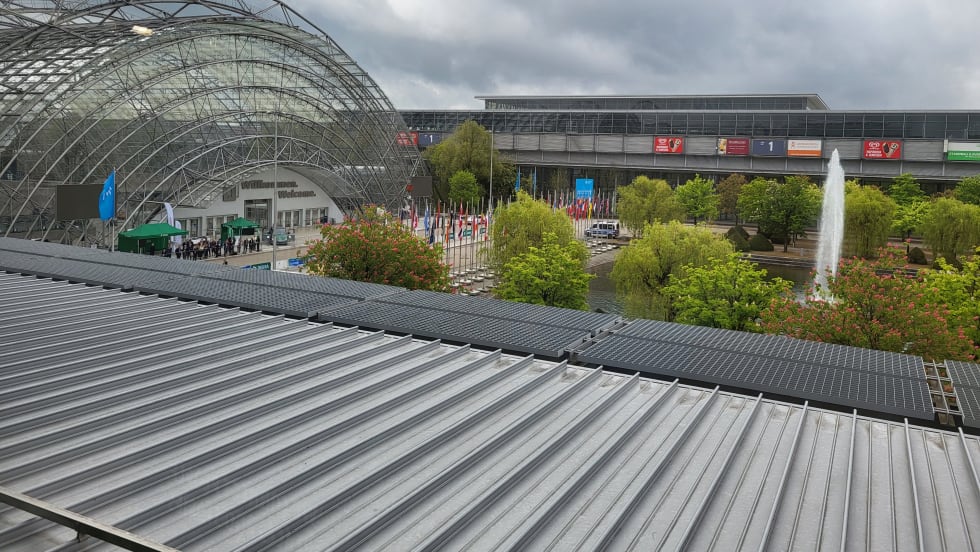
Inside ITF 2026: Transport Reacts to A Challenging World
Transport leaders from around the world gathered in Leipzig, Germany, for the 2026 International Transport Forum to discuss resilience, climate impacts, supply chains and the future of sustainable mobility.
Read More →
Every Ride Tells a Story — But You’re Not Just Selling the Ride
You’re selling the moment, the meaning, and the emotion behind it.
Read More →
How Digital Signage is Reshaping the Traveler Experience at Transportation Hubs
What was once a landscape of static signs has evolved into a responsive, immersive environment powered by real-time visual communication.
Read More →
Latest Trends in Urban Mobility from Polis Conference 2025
Polis comprises cities and regions, as well as corporate partners, from across Europe, promoting the development and implementation of sustainable mobility. This year’s event had over a thousand attendees across various policy forums and an exhibition.
Read More →
Why Transit Leaders Require Better Tools for Operational Clarity In Today’s Tech-Fragmented Environment
Across North America and beyond, transit agency officials are contending with a perfect storm of operational headaches and strategic challenges that hamper daily service and long-term progress.
Read More →
The Powerless Brokers: Why California Can’t Build Transit
It is no secret that transit in the U.S. is slow and expensive to build.
Read More →
Why Transport Sustainability Should Focus on People Instead of Cars
Simply incentivizing electrification is not enough to make a meaningful impact; we must shift our focus toward prioritizing public transportation and infrastructure.
Read More →