
Metro Magazine

 MENU
 SEARCHMENUSEARCH
Loading data...
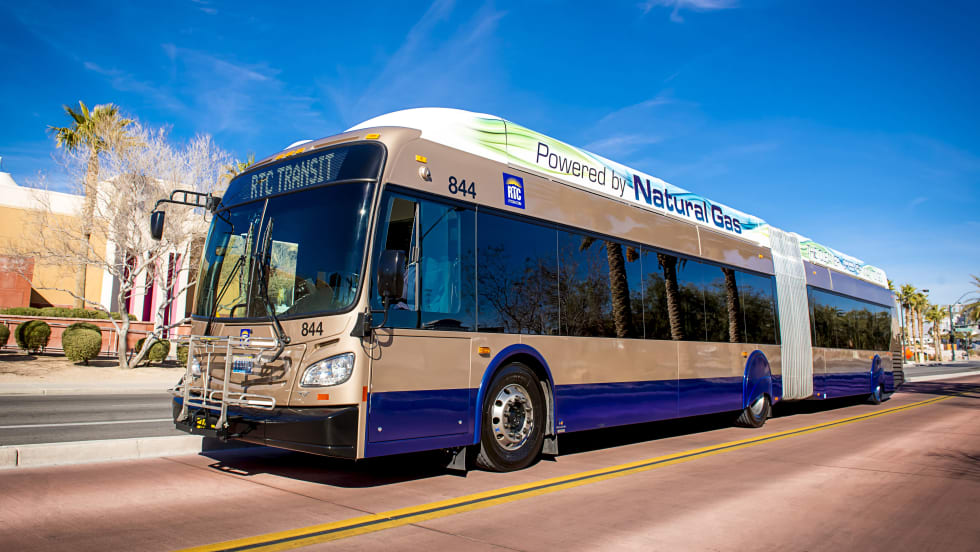
The agency credits expanded security measures, employee training, and technology investments for improvements in transit safety, while security officers have responded to 19 suspected overdoses since July.
Read More →


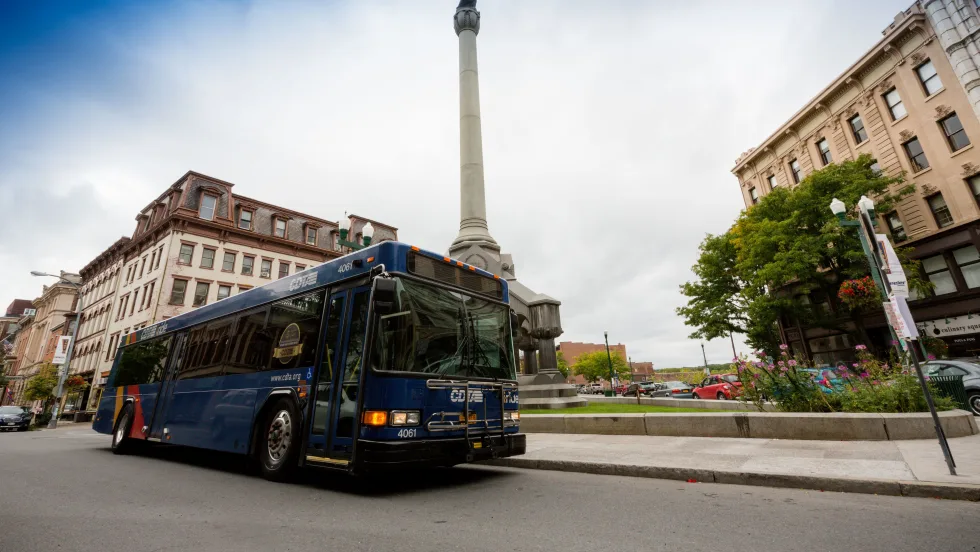

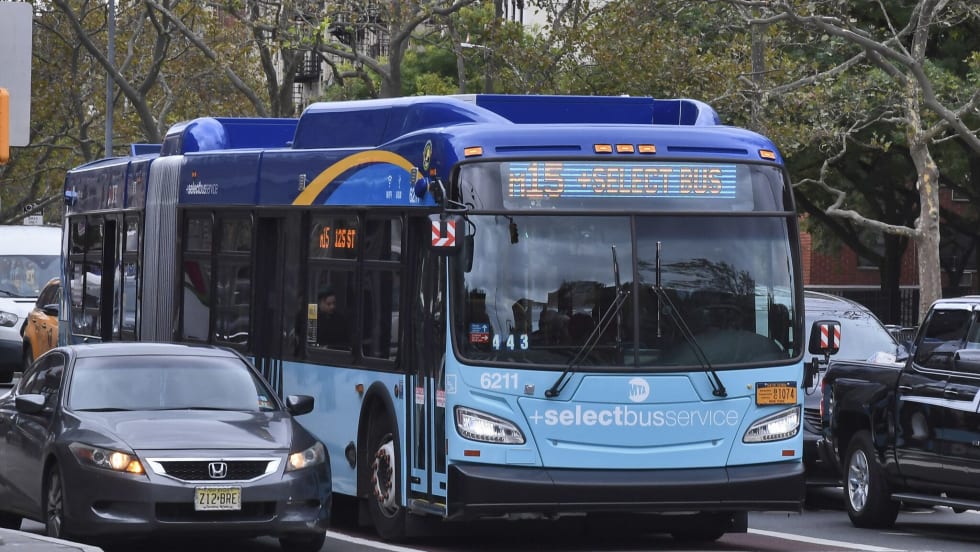
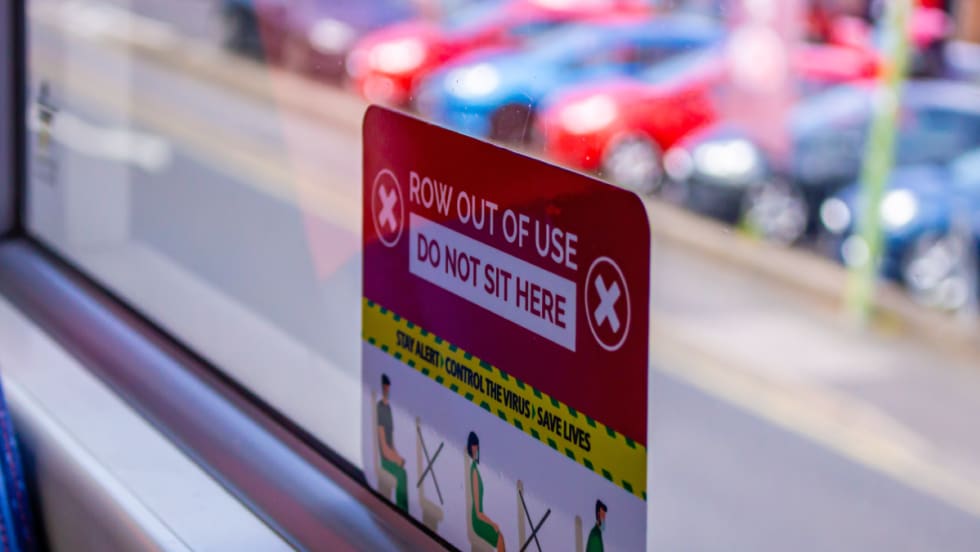

Two safe cleaning and disinfecting options at the top of the list for their effectiveness that also have a reduced impact on the user and the environment are UV-C and electrostatic sprayer technology.
Read More →Researchers have published their findings in Science of The Total Environment, highlighting that using public transport in the UK during a pandemic outbreak has a six-fold increased risk of contracting an acute respiratory infection.
Read More →Health guidance messaging deployed across 3,000 digital screens on subway, 2,000 on buses, and 550 on commuter railroads.
Read More →Agencies are left to figure out how best to provide transit service while minimizing the spread of the virus and contending with expected drops in ridership and driver availability.
Read More →Many of the old ways of doing business in the transit world are now in flux. Funding is not as stable as it was, ridership dropped, and full bus occupancy, once a measure of success, is now a thing to be avoided.
Read More →One advantage to sustained critical incidents like coronavirus is the ability to do things differently and better.
Read More →Public opinion poll among 1,000 Americans found that 48% feel that riding public transit poses a high health risk due to the virus.
Read More →Transit agency executives provide their biggest lesson learned from the COVID-19 pandemic.
Read More →Community Transportation of America (CTAA) Director, Scott Bogren, joins us to discuss how they and their membership are dealing with the COVID-19 pandemic, how surface transportation re-authorization may play out, and how new mobility models differ in smaller cities versus larger metro regions.
Read More →