
Metro Magazine

 MENU
MENU SEARCHMENUSEARCH
Loading data...
The RPM Small Business Educational Series will begin later this month and continue through September.
Read More →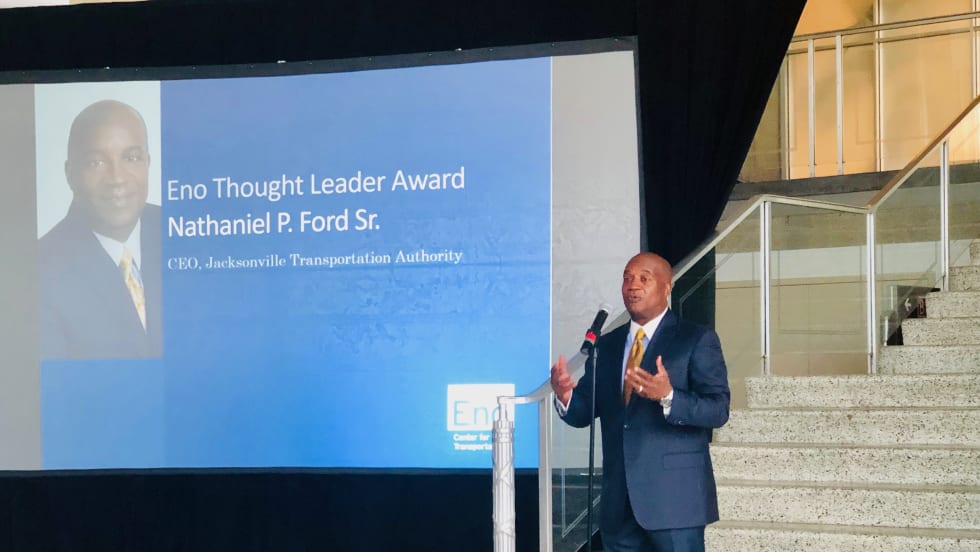



Many of Ford’s endeavors during his APTA chairmanship center upon what he calls the New Mobility Paradigm.
Read More →Study participants rank third-party liability as top risk facing the transit industry.
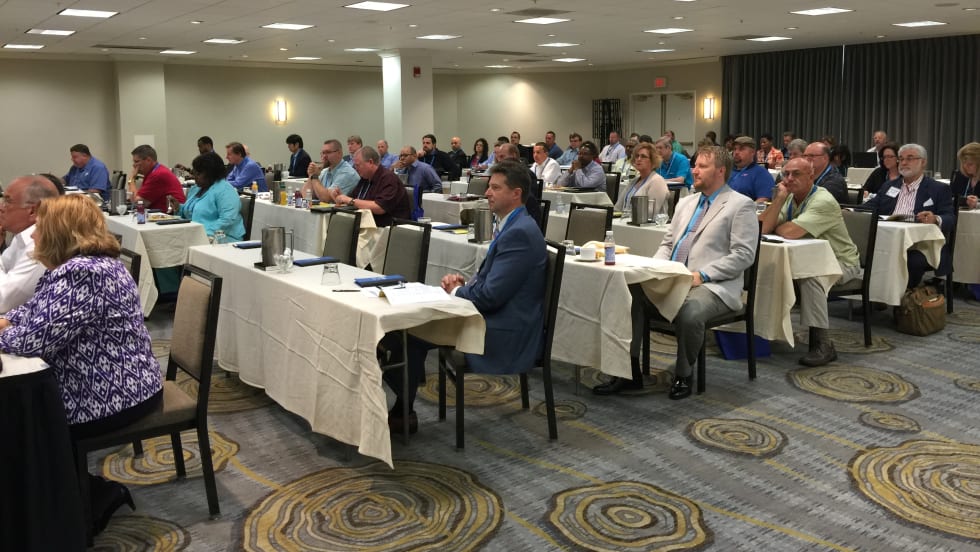
Read More →The RMS occurred last month in Albany, N.Y. and it was a truly remarkable learning experience for those in attendance. The RMS serves as a one-of-a-kind event that brings together transit risk management professionals from all across the country to focus on key topics related to safety, risk management, planning and prevention.
Read More →One topic I have heard discussed in some circles is regarding the amount of training to administer to new-hire candidates that bring some past driving experience with transport vehicles (paratransit, shuttle, etc.).
Read More →Bus operators are not blindfolded. Operators are trained and required to identify potential hazards, based on their forward planning skills. With regard to left turns, these so called “blind spots” are really areas behind the left A-pillar/mirror that are “temporarily” obstructed to the operator, not blind to the operator. The key here is for the operators to utilize their observation and forward planning skills to minimize the time that their vision is temporarily obstructed. The pedestrian that regrettably becomes a victim of bus contact should be in the clear view of the operator long before arriving at the location where the contact occurred. Pedestrians are not “coming out of nowhere!"
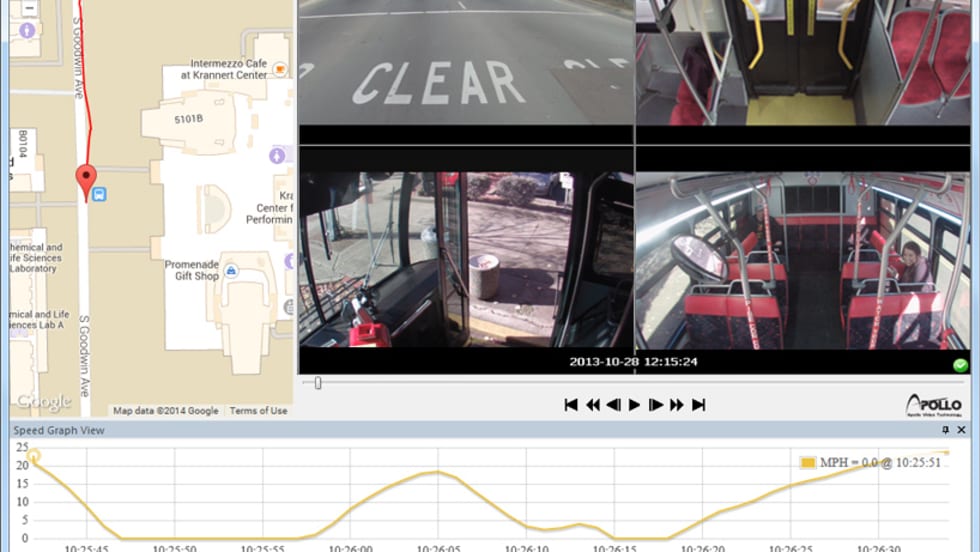
Read More →Video surveillance technology is a vital component to transit and rail operations as agencies recognize the value such solutions offer. A comprehensive system does more than deliver high quality video and audio recordings. Supporting data and software tools increase the efficiency of agencies’ video management operations, substantiate liability claims and investigations, and promote safety for both passengers and operators alike.
Read More →Strategic objectives include managing risks, protecting customers, contractors and employees, and minimizing impact on the environment; cultivating an empowered, customer-focused workforce; and effective, efficient asset management that delivers reliable services in a state of good repair.
Read More →Ongoing research, communication and safety are crucial to finding and maintaining a sound insurance policy. Many coach operators are also taking on more risk and control with captive insurance.
Read More →