
Metro Magazine

 MENU
 SEARCHMENUSEARCH
Loading data...
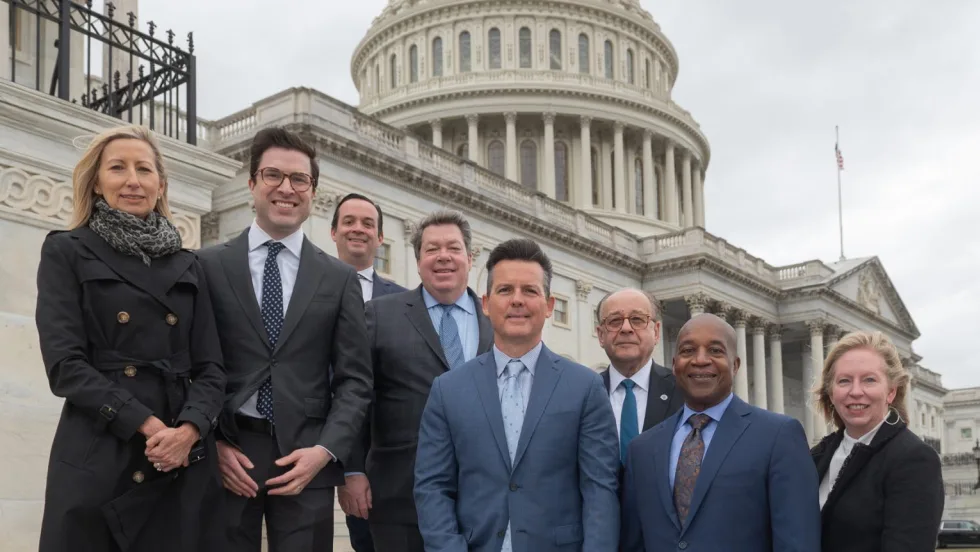
As chair of APTA’s Business Members Board of Governors, Ray Melleady explains how more than 850 business members are partnering with transit agencies to advance funding, innovation, and industry-wide collaboration.
Read More →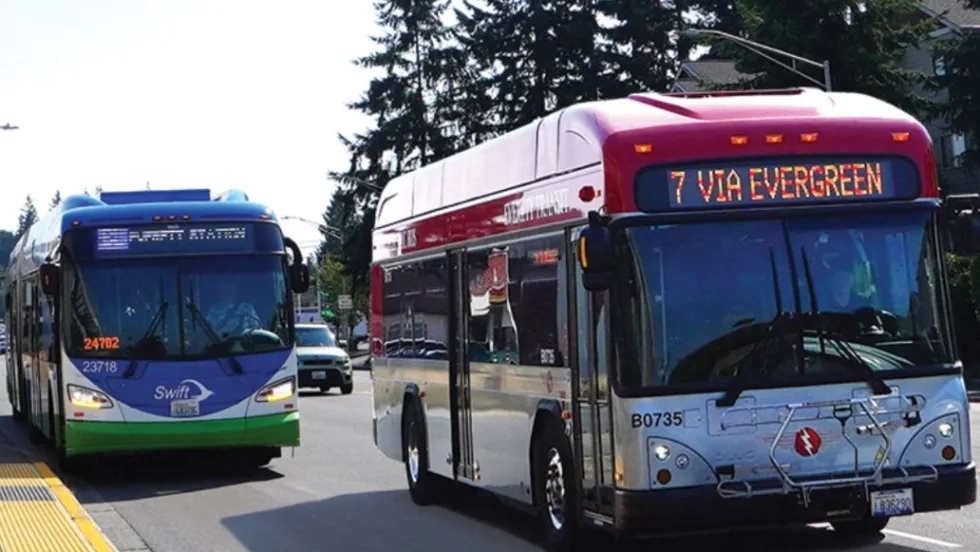


The proposed agreement calls for a 50% increase in bus service in Everett, a new microtransit zone, continued paratransit service, and the transfer of Everett Transit operations to Community Transit.
Read More →The 2026 FIFA World Cup will test transit agencies’ ability to manage unpredictable travel patterns, making real-time data and operational flexibility critical to moving millions of visitors efficiently.
Read More →An Urban Institute evaluation found that a fare-free transit program increased ridership, reduced transportation barriers, and improved access to jobs, healthcare, and other essential services.
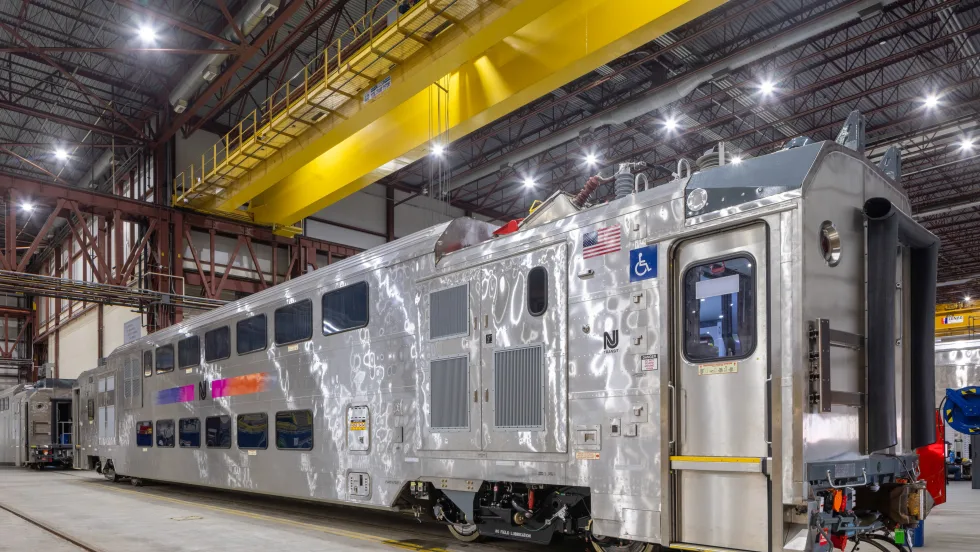
Read More →The Garden State Initiative analysis examines the roles of Amtrak infrastructure, fleet management, and agency operations while recommending a more performance-based approach to improving reliability.
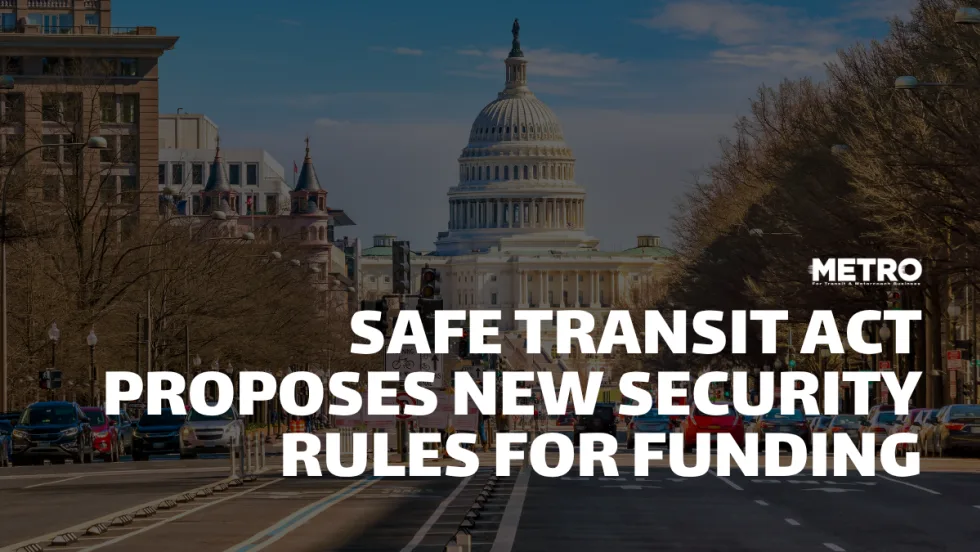
Read More →Proposed legislation would link federal transit dollars to safety measures while requiring security investments, onboard cameras, and new fare collection standards.
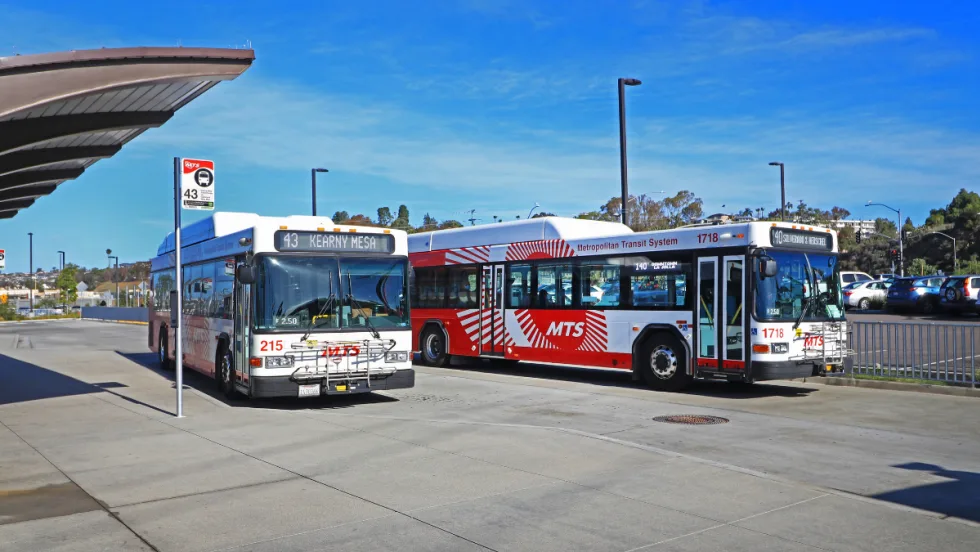
Read More →Named one of APTA’s 2026 Outstanding Public Transportation Systems with 50 million or more annual passenger trips, California’s San Diego Metropolitan Transit System points to gains in ridership, safety, technology, and reliability as foundations of its success.
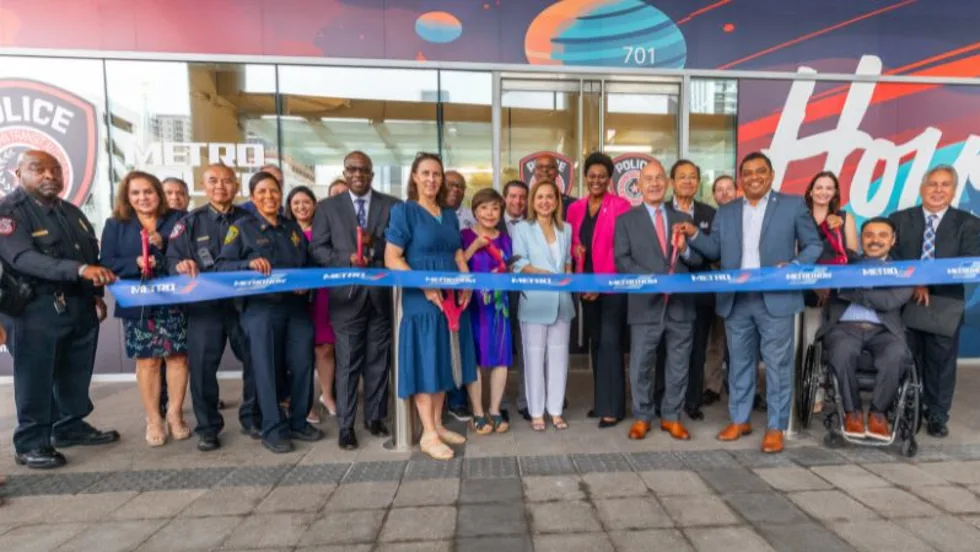
Read More →The substation strengthens METRO Police presence in an area where transit activity, pedestrian movement, and visitor flow converge.
Read More →Between 2021 and 2024, SEPTA held more than 200 public meetings — including 144 in-person sessions — throughout the SEPTA service region.
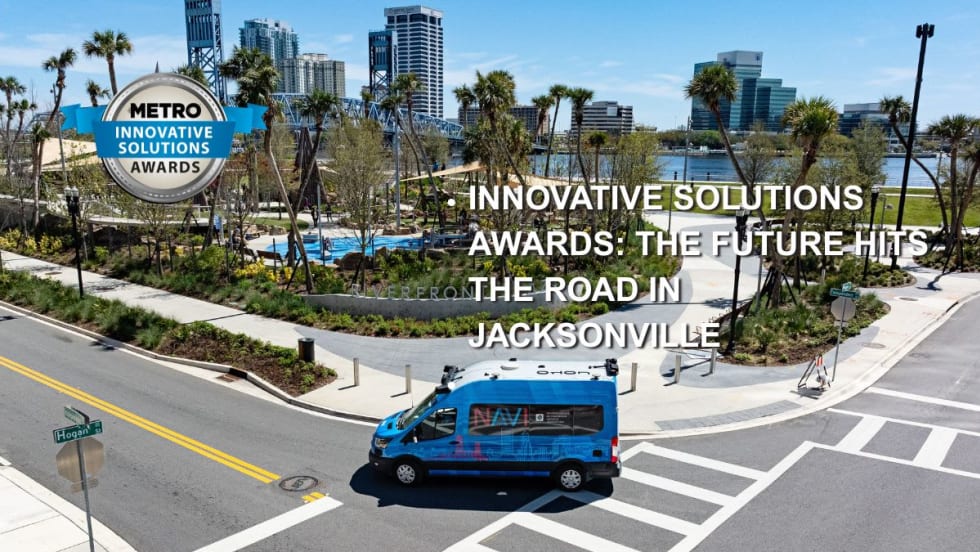
Read More →Through its NAVI program, JTA is showing how autonomous vehicles, intelligent infrastructure, and coordinated operations can work together to deliver everyday public transportation.
Read More →