
Metro Magazine

 MENU
 SEARCHMENUSEARCH
Loading data...
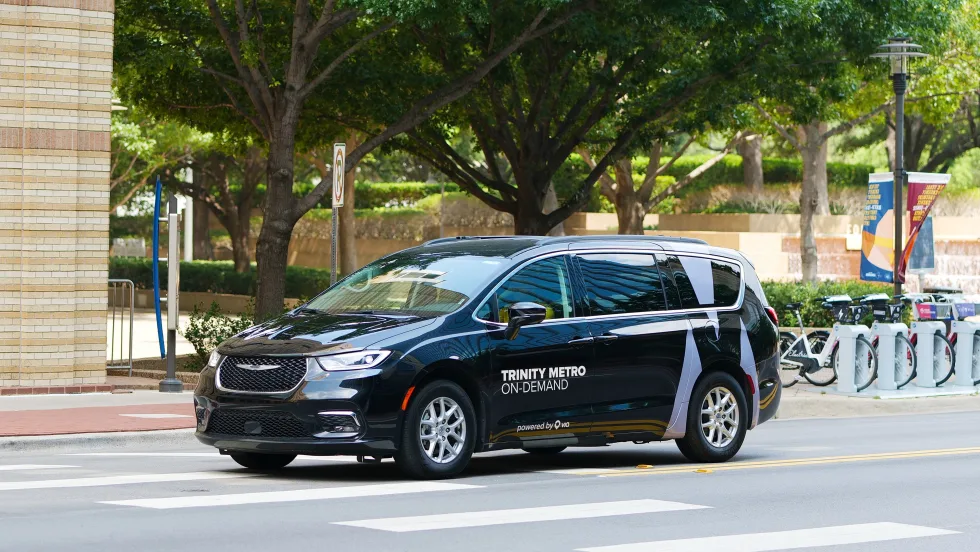
The Scheduling and Supply Studio provides the world’s first fully integrated platform for optimizing vehicle and driver availability to rider demand, said company officials.
Read More →


An Urban Institute evaluation found that a fare-free transit program increased ridership, reduced transportation barriers, and improved access to jobs, healthcare, and other essential services.
Read More →A closer look at ridership trends, demographic shifts, and the broader impacts of service reductions reveals why maintaining, and even improving, bus service levels should be a top priority in 2025.
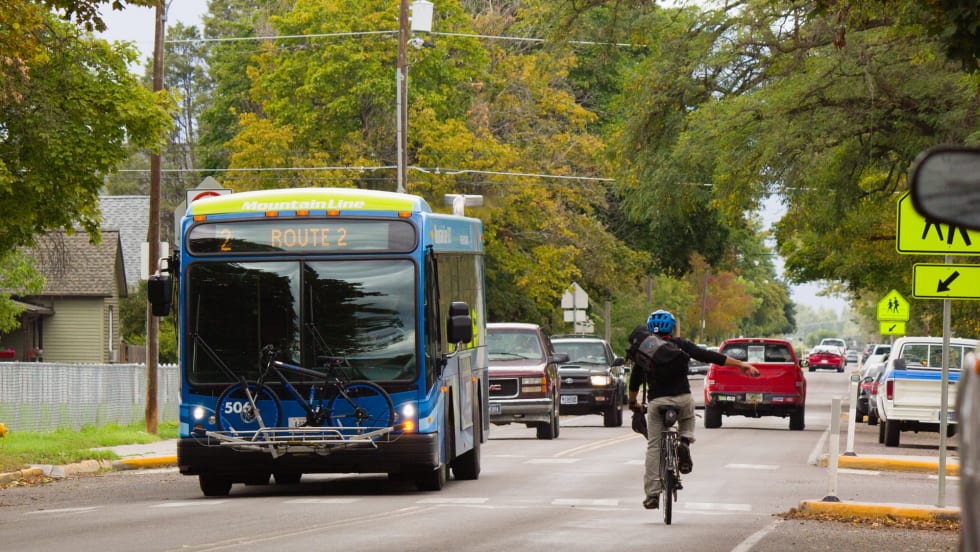
Read More →Mountain Line, a public transit service in Missoula, Mont., has seen a 37% increase in ridership since it stopped collecting fares in January of this year.
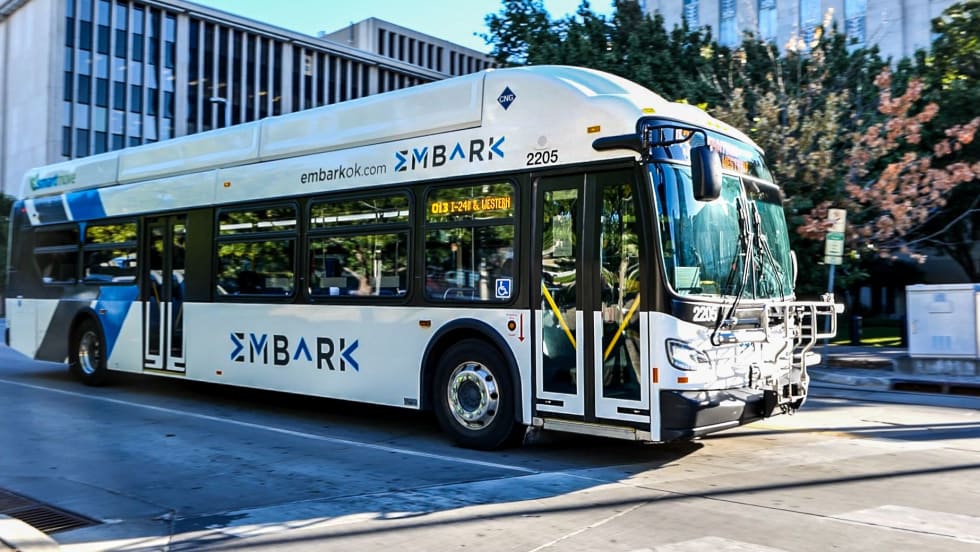
Read More →The OKC transit agency says sponsorship helps subsidize the Third Friday Free initiative while reducing barriers for first-time riders and boosting ridership across buses, streetcars, and river cruises.
Read More →The latest figures represent nearly 14% year-over-year growth for all fixed routes on three service boards combined.
Read More →In its State of the Industry report, the ABA said there will be some incremental growth in 2003 as people begin to increase travel frequency.
Read More →The agency is set to move forward with several projects, including the recently opened BRT system, an 11-mile light rail system set to launch in mid-2014, and an ambitious decade-long project that will convert Metro’s highest ridership bus routes into rapid bus service corridors.
Read More →With an average of seven people using the service a day out, as well as the estimated $40-a-trip cost to run the buses, officials couldn’t justify continuing it beyond the end of the contract.
Read More →Port Authority logged its busiest post-pandemic day in November as commuter rail ridership climbed 3.1% year over year.
Read More →