
Metro Magazine

 MENU
 SEARCHMENUSEARCH
Loading data...
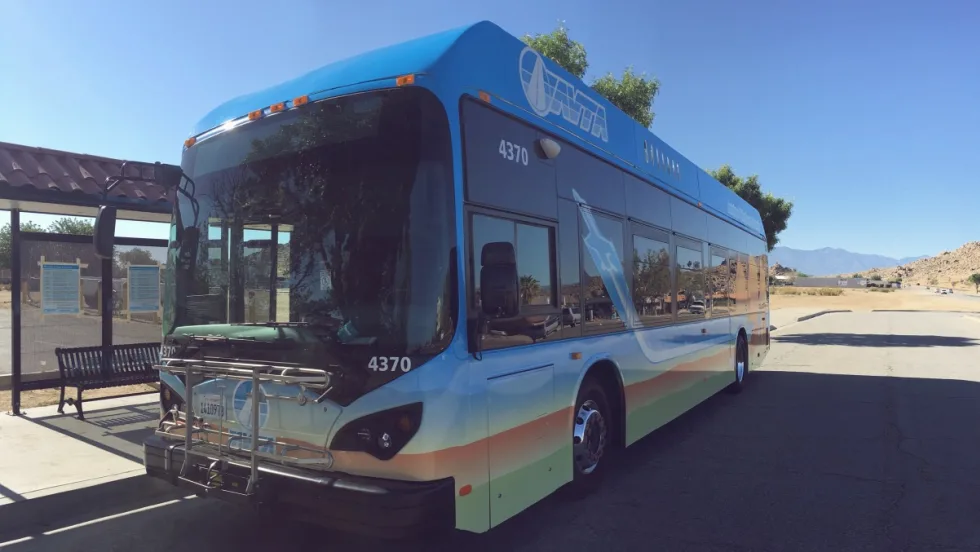
Across North America, transit agencies are under growing pressure to electrify their fleets. Local and state mandates are driving the transition, and public expectations for cleaner, quieter transit are rising.
Read More →
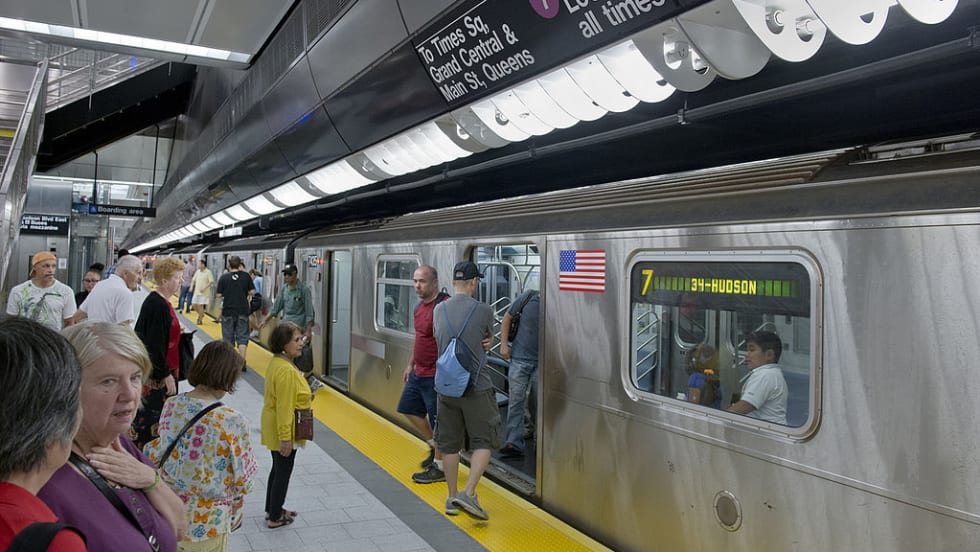

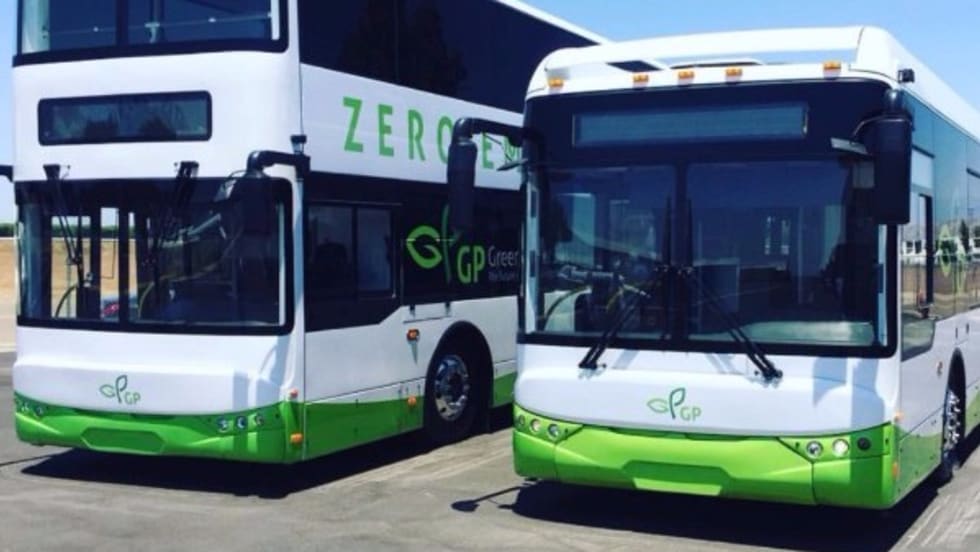
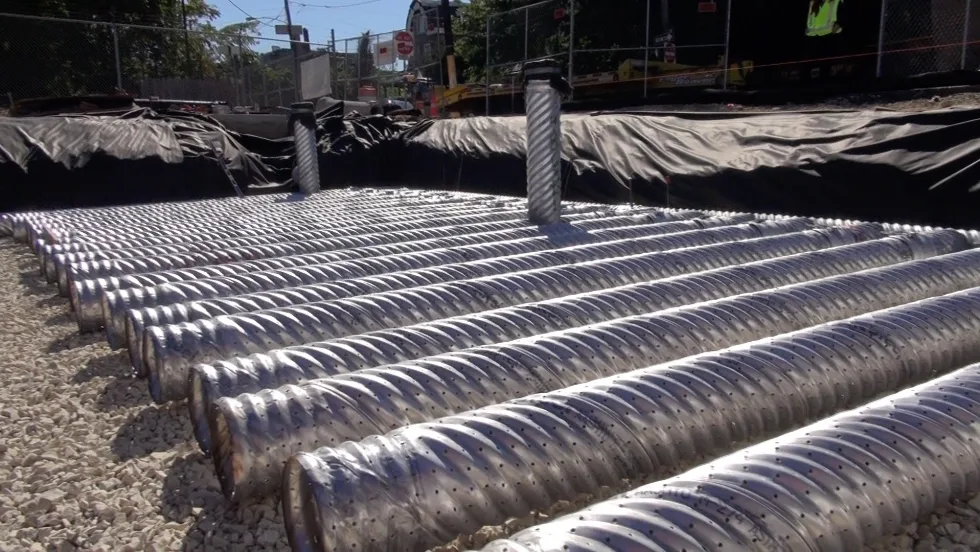
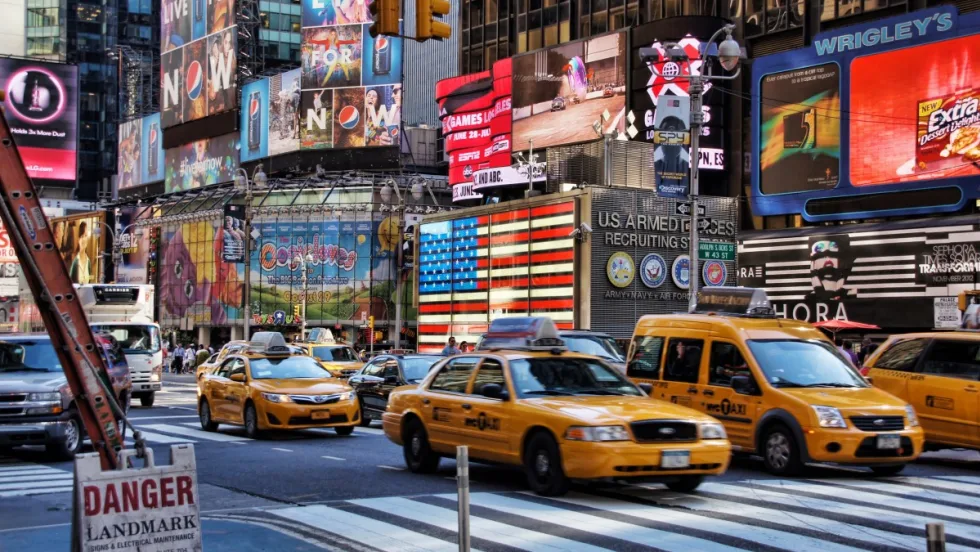
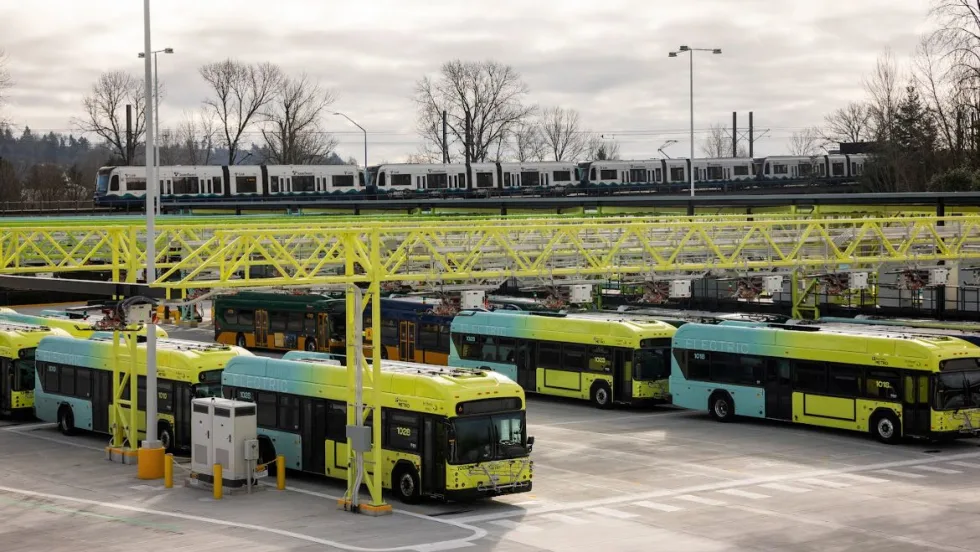
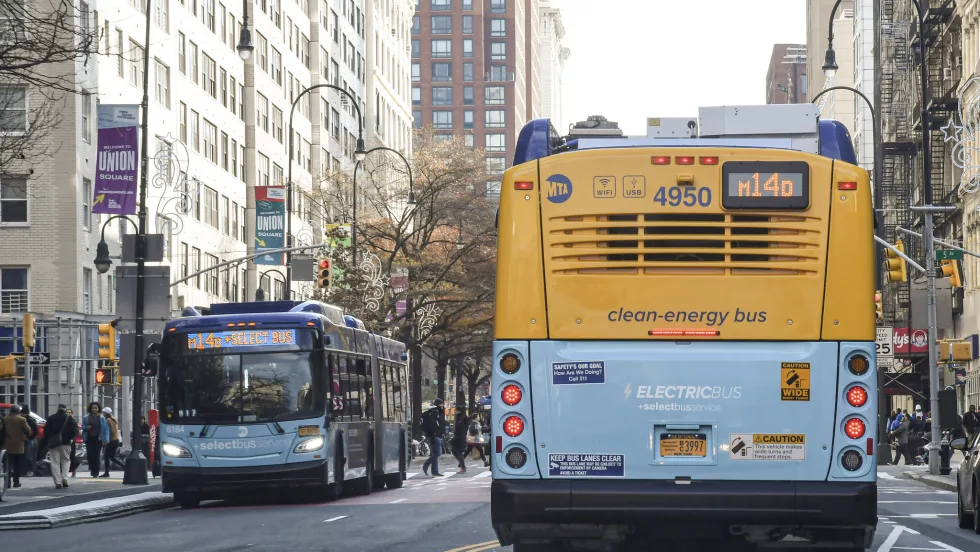
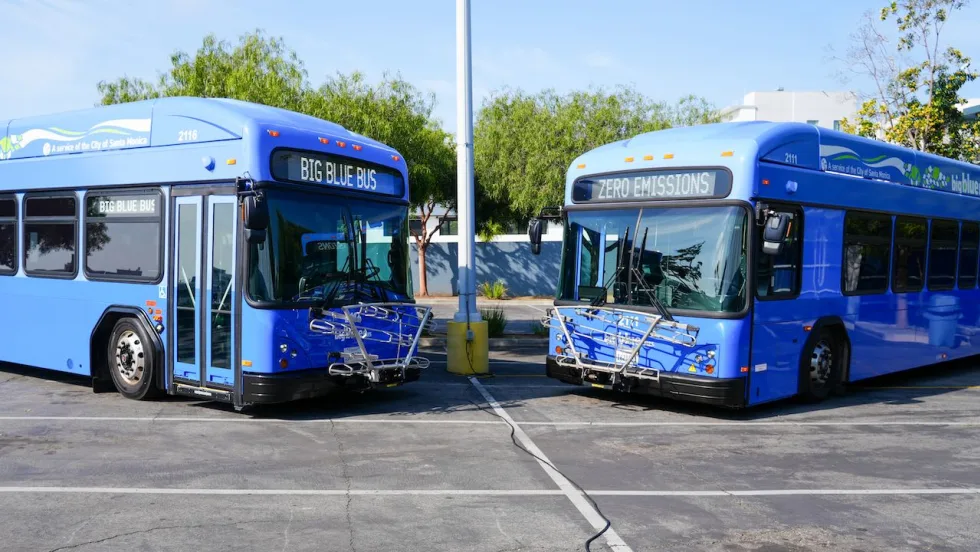
A look at some of the highlights from BusCon 2018, which was held in Indianapolis Oct. 1 to 3.
Read More →Without the funding Congestion Pricing will provide, the projects to make the transit system safer, more reliable, accessible, and equitable are at risk, according to the MTA.
Read More →In a recently completed report, CTE concludes that a nationwide fleet transition is feasible by 2035, at a cost of between $56.22 billion and $88.91 billion.
Read More →The EV Star is an all–electric, emissions–free, 25-foot bus that seats up to 19 people, with an operational range of 125 to 200 miles on one charge and a lifetime of over 20 years.
Read More →The success of the SEPTA’s first Sustainability Program Plan has resulted in the passage of a second-generation plan —“SEP-TAINABLE 2020”— and made sustainability a core principle for the Authority’s day-to-day operations. Even seemingly easy changes, like replacing fluorescent lights with LED lights have made a difference to the triple bottom line. The plan was recently approved by the SEPTA Board.
Read More →By working in tandem, these elements will result in better public transportation infrastructure, more egalitarian access to transit options, affordable or free services, and a healthier environment.
Read More →Stay informed with these quick takes on the projects and companies driving progress across the transportation landscape.
Read More →In this article, we show you how public transportation benefits cities, and what cities can do to make their public transit systems thrive.
Read More →From manufacturers and suppliers to transit agencies and motorcoach operators, these updates offer a snapshot of the projects, partnerships and business moves driving the industry forward.
Read More →