




As cities struggle to popularize public transit, ride-sharing services put an even-greater strain on busy streets, creating more congestion and carbon emissions than ever before.
What Makes Public Transit Systems Successful?
In this article, we show you how public transportation benefits cities, and what cities can do to make their public transit systems thrive.
March 4, 2020
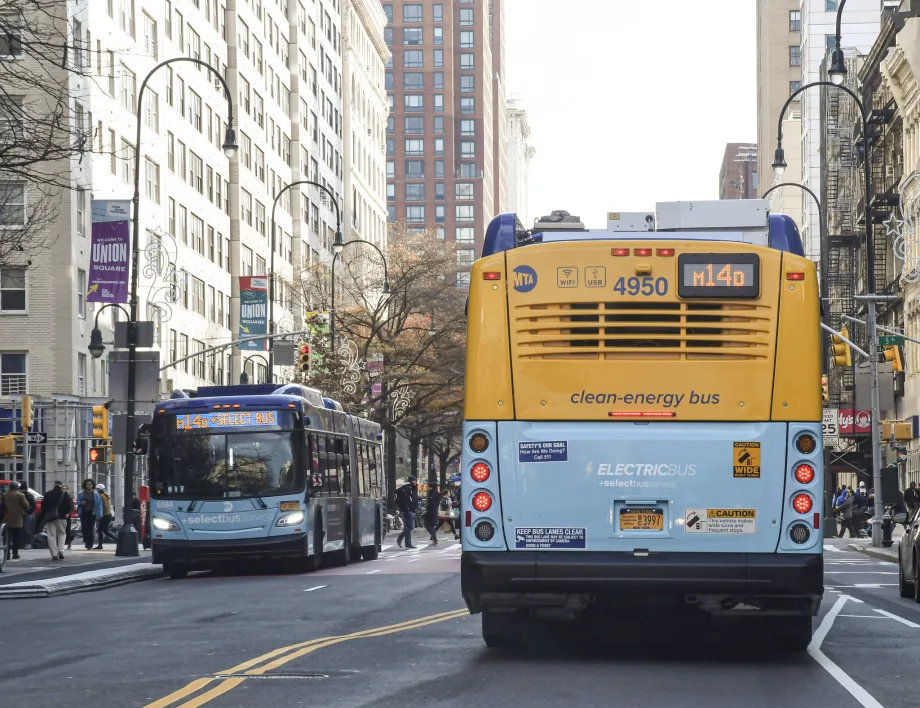
Successful public transit systems benefit citizens, the economy, and the environment.
Photo: Marc A. Hermann
4 min to read
According to a report by the Federal Transit Administration (FTA), 29% of greenhouse gas emissions in the U.S. come from transportation.
Public transportation can alleviate greenhouse gases and cut emissions significantly:
76% reduction for heavy rail transit such as subways and metros
62% reduction for light rail transit systems such as electric trolleys
33% reduction for bus transit
In a time where sustainable transportation practices are critical to our future, however, even environmentally-friendly citizens tend to pull out their phones and tap for a ride-sharing service, such as Uber or Lyft, instead of taking a bus or subway.
As cities struggle to popularize public transit, ride-sharing services put an even-greater strain on busy streets, creating more congestion and carbon emissions than ever before.
In this article, we show you how public transportation benefits cities, and what cities can do to make their public transit systems thrive.
How Public Transit Benefits Cities in the U.S.
Successful public transit systems benefit citizens, the economy, and the environment.
At a human level, public transportation provides advantages that make cities more attractive places to live, providing:
Mobility for people who do not, or cannot, own a vehicle
Convenience for auto owners who prefer to avoid driving in heavy traffic
Easier daily commute for many office workers
Overall cost savings for taxpayers
Nearly 50% of businesses are located near public transportation, according to recent research from Clutch.
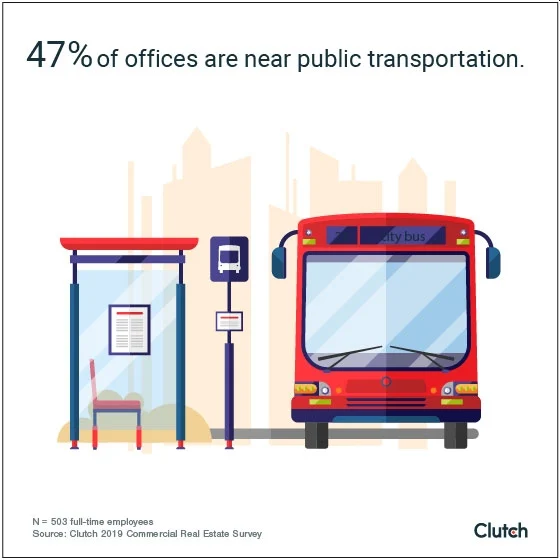
Access to public transit gives businesses a hiring advantage since they are more likely to attract top talent if people can commute to work on a train, rail, or bus.
Public transportation also increases business sales and residential property values for homes and businesses located near transportation systems. These advantages contribute an average of $1.8 billion annually to cities with high-frequency public transit.
According to the FTA, public transportation means better air quality and reduced carbon emissions and greenhouse gases for the city:
Most rail systems emit little to no carbon emissions since they run on electricity.
Many buses use alternative fuels such as compressed natural gas, liquified natural gas, or fuel cells.
Buses traditionally fueled by diesel are getting converted to hybrid- or bio-diesel.
Extensive use of public transportation can make cities more sustainable and have a significant impact on environmental health.
Despite the economic and environmental advantages of public transit, many cities struggle to fund transportation projects, while others build entire transit systems that very few people ever use.
Understanding what causes transportation systems to succeed is critical to cities considering transit development.
What Makes Public Transit Systems Successful
According to a 2019 study by WalletHub, the top three transportation systems in the U.S. are:
1. Seattle
2. Boston
3. San Francisco
Seattle, recognized by many publications as the best public transit system in the country, links its rail system and bus line together to create one comprehensive, efficient system for travelers.
While many systems throughout the country are declining in ridership, Seattle’s public transit system is flourishing for several reasons:
Dedicated transit corridors: Portions of the city’s roadways are blocked off to cars during rush hours and converted to transit-only corridors. This allows buses to move quicker and alternate pickup patterns for more efficient service.
Frequent scheduling and quick routes: Seattle identifies problem areas that slow buses down and finds ways to fix the issues, such as creating transit-only lanes in heavily congested areas.
Advocacy and communication with residents create allies for the city transit system. By offering a pleasant and reliable transit experience for everyone, voters consider public transportation a personal benefit, voting to fund expansion despite increased sales and car taxes.
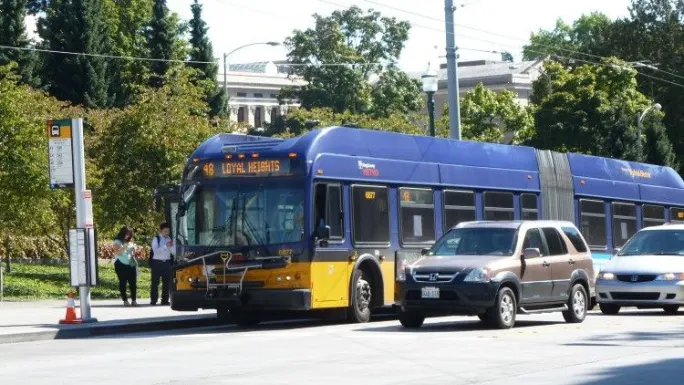
Seattle, recognized by many publications as the best public transit system in the country, links its rail system and bus line together to create one comprehensive, efficient system for travelers.
Photo: University of Washington
Overall, successful public transit systems tend to run through dense areas, provide synced connections, and offer fast and efficient services.
The critical factor to the success of thriving public transit systems is planning routes mapped to denser parts of the city where public transportation creates a significant advantage for the largest group of people.
Sustainable Public Transit Adds to City Appeal and Environmental Health
Public transportation benefits cities economically and environmentally, but only a few cities in the U.S. are successful in getting residents to use buses, trains, and rails instead of ride-sharing services or cars.
Planning public transit that services dense areas, ensuring frequent and fast routes, and advocating public transit to residents significantly contributes to a successful public transit system.
About the Author: Grayson Kemper is a Content and Editorial Manager for Clutch, a B2B research, ratings, and review company in Washington, D.C.
Subscribe to Our Newsletter
More Blog Posts
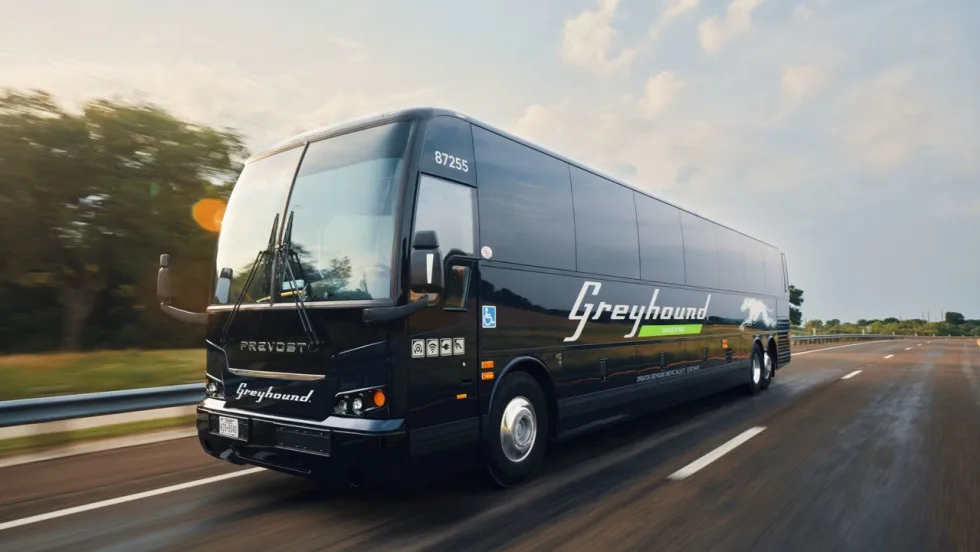
Five Years Later: What’s Changed at Greyhound
Five years after Flix acquired it, Greyhound reflects on fleet modernization, operational improvements, employee empowerment, and a renewed focus on customer experience.
Read More →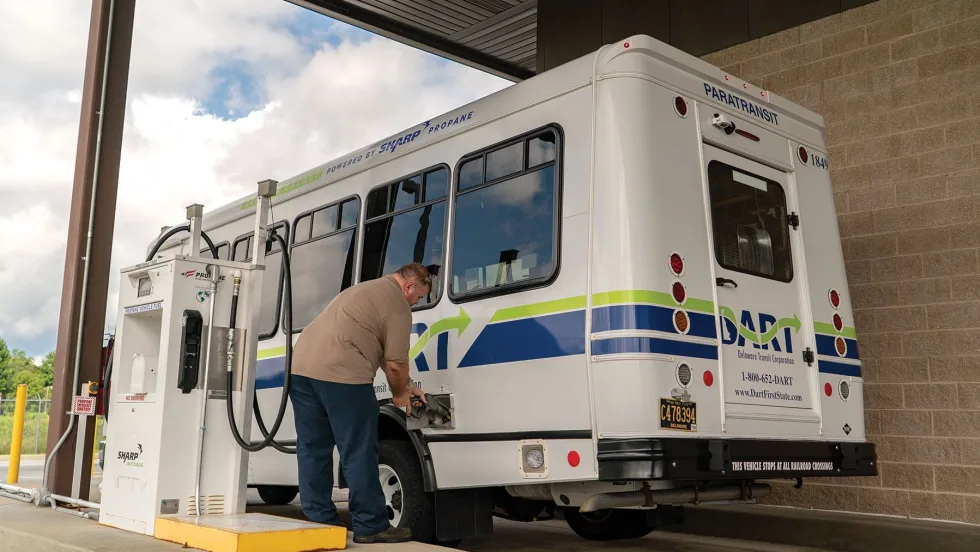
Building a Winning FTA Grant Proposal: Why Propane Autogas is the Pragmatic Choice for Fleet Resilience
With $610 million available through the FY 2026 Buses and Bus Facilities Competitive Program and the Low or No Emission Grant Program, agencies must build a compelling case before the September 21 deadline that balances environmental compliance with operational feasibility.
Read More →
Velo-city Conference 2026: Latest Trends in Cycling as Part of Urban Mobility
The global cycling conference highlighted how cities are integrating bicycles into multimodal transportation networks, expanding cycle tourism and reshaping urban mobility.
Read More →
Kindness Isn’t Soft...It’s Strategic.
Mike Bismeyer — often known as “The Kindness Guy” — has spent more than 17 years in public transit and mobility, serving in industry leadership roles, speaking across North America, and advocating for stronger workplace cultures. But his message doesn’t come from theory. It comes from lived experience.
Read More →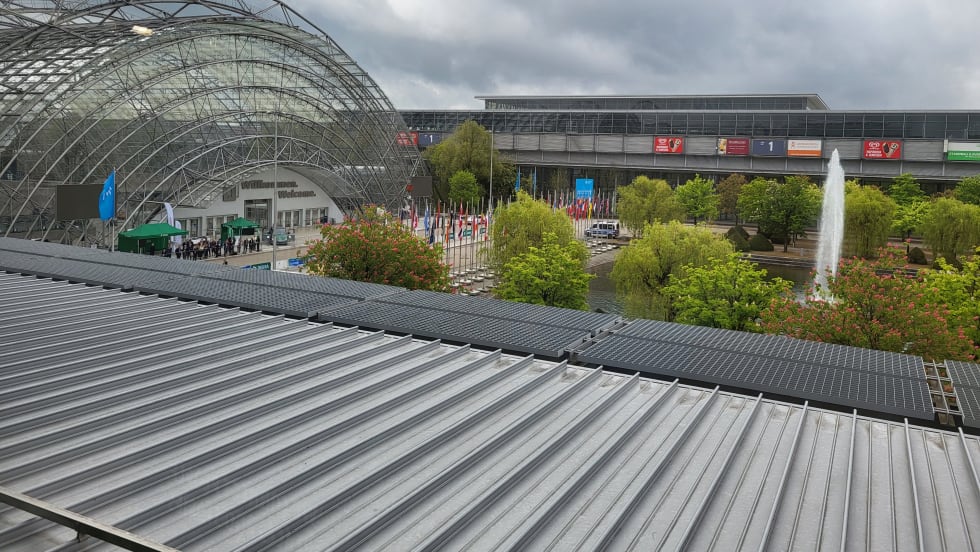
Inside ITF 2026: Transport Reacts to A Challenging World
Transport leaders from around the world gathered in Leipzig, Germany, for the 2026 International Transport Forum to discuss resilience, climate impacts, supply chains and the future of sustainable mobility.
Read More →
Every Ride Tells a Story — But You’re Not Just Selling the Ride
You’re selling the moment, the meaning, and the emotion behind it.
Read More →
How Digital Signage is Reshaping the Traveler Experience at Transportation Hubs
What was once a landscape of static signs has evolved into a responsive, immersive environment powered by real-time visual communication.
Read More →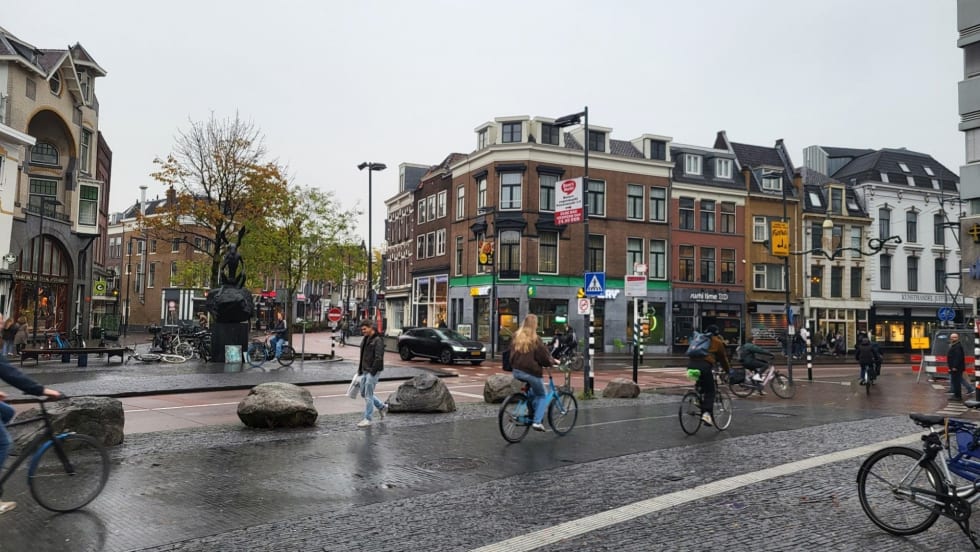
Latest Trends in Urban Mobility from Polis Conference 2025
Polis comprises cities and regions, as well as corporate partners, from across Europe, promoting the development and implementation of sustainable mobility. This year’s event had over a thousand attendees across various policy forums and an exhibition.
Read More →
Why Transit Leaders Require Better Tools for Operational Clarity In Today’s Tech-Fragmented Environment
Across North America and beyond, transit agency officials are contending with a perfect storm of operational headaches and strategic challenges that hamper daily service and long-term progress.
Read More →
The Powerless Brokers: Why California Can’t Build Transit
It is no secret that transit in the U.S. is slow and expensive to build.
Read More →