
Metro Magazine

 MENU
 SEARCHMENUSEARCH
Loading data...
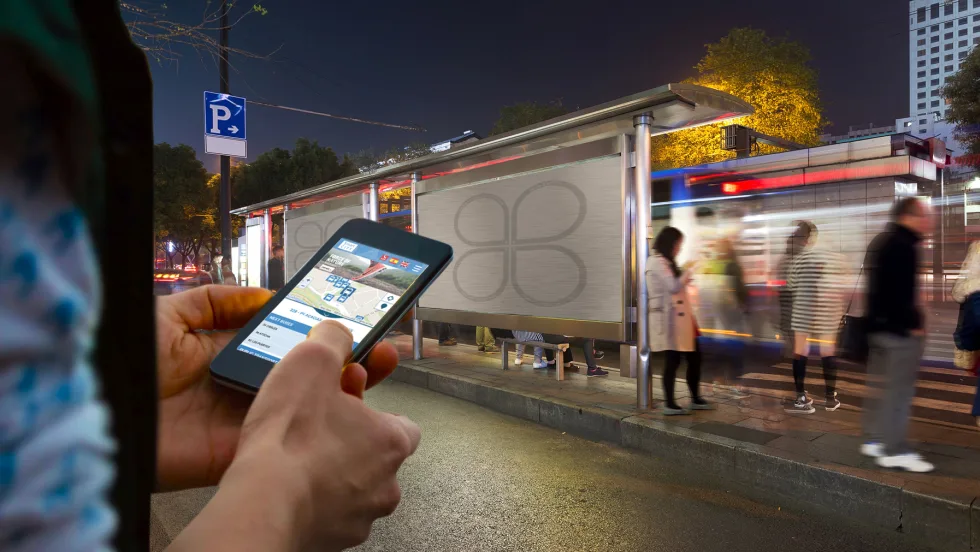
Municipal officials worldwide are leveraging advances in mobile, communications and Internet of Things (IoT) technologies to build so-called “smart cities” to deliver services more efficiently and improve the overall quality of life for their residents. That work begins with the mass transit system.
Read More →
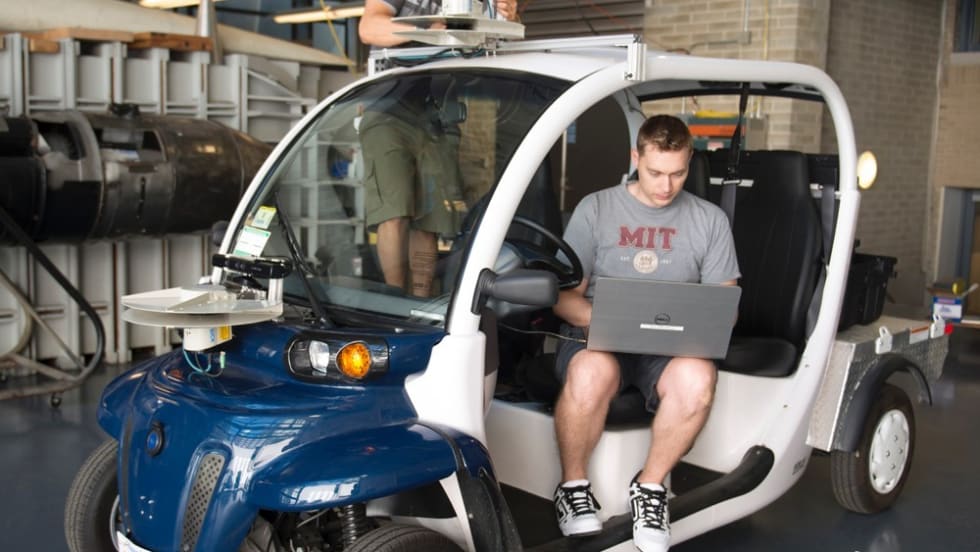





72% of U.S. adults would feel safer riding in a self-driving car if they had the ability to take over control if something goes wrong.
Read More →In the realm of transit, connectivity serves as the lifeline between communities and modes of transportation. Yet, there’s a second transformative connectivity concept that deserves attention — the Single Source of Connectivity.
Read More →The project will introduce a fleet of on-demand electric vehicle shuttles that use LiDAR sensors and cameras to measure pedestrian flow, which ultimately helps predict demand for the shuttles.
Read More →From pandemic recovery to digital upgrades, this family-run motorcoach company adapts to change and drives forward.
Read More →Propane-powered EV charging offers reliability and scalability without sacrificing emissions goals.
Read More →World Sustainable Transport Day serves as a poignant reminder that advancing sustainability demands ongoing efforts to improve transportation systems, particularly by increasing public transit adoption and enhancing both efficiency and environmental performance.
Read More →"Go Metro Los Angeles" offers trip planning, station/stop locations, bus arrival info, maps and notifications.
Read More →Customers have always been able to report concerns through the CATS Customer Service line or the “Report a Problem to CATS” feature in the CATS-Pass mobile app; however, CATS has also integrated a Text-a-Tip line, giving riders multiple, easy-to-use channels to get support.
Read More →The system is upgrading its fare gates for the first time in 20 years. BART has committed to opening 70-plus new fare gates systemwide by the end of 2025.
Read More →