



World Sustainable Transport Day: Untapped Strategies for Sustainable Mobility
World Sustainable Transport Day serves as a poignant reminder that advancing sustainability demands ongoing efforts to improve transportation systems, particularly by increasing public transit adoption and enhancing both efficiency and environmental performance.


By prioritizing accessible, technology-driven solutions and adaptive transit networks, we can unlock new opportunities for sustainable urban mobility while meeting the needs of growing populations and reducing environmental impacts.
Photo: Canva
As cities grapple with meeting climate goals and transforming urban transportation, discussions often center on well-trodden paths: electric buses, shared mobility, and public transit electrification.
However, less explored concepts, including digital innovations, hold the key to significant advancements in urban mobility.
Sustainable mobility is about more than just investing in expensive infrastructure like electric vehicles (EVs) or alternative fuel sources.
Public transit — by its very nature — is one of the greenest transportation options available, requiring us to rethink how we can maximize its potential without prohibitive upfront costs.
World Sustainable Transport Day serves as a poignant reminder that advancing sustainability demands ongoing efforts to improve transportation systems, particularly by increasing public transit adoption and enhancing both efficiency and environmental performance.
By prioritizing accessible, technology-driven solutions and adaptive transit networks, we can unlock new opportunities for sustainable urban mobility while meeting the needs of growing populations and reducing environmental impacts.
The Future of Mobility
The digital transformation of the transport sector has created a shift in how mobility services are planned, offered, and delivered to end users.
Public transport providers are partnering with private companies to provide urban dwellers with comprehensive mobility solutions, capable of meeting current demands and anticipating future needs. They are developing user-friendly platforms that give riders the digital tools they need to plan their journeys better, such as real-time data on road conditions and services, integrated payment systems, and seamless access to a wide range of mobility modes.
A big part of this is promoting shared mobility modes through concepts such as Mobility-as-a-Service (MaaS) models and Mobility-on-demand (MOD) platforms to expand the scope of traditional service and offer riders more travel options.
Mobility Hubs, centralized locations designed to connect multiple modes of transport and digital services, can enhance functionality by integrating new ways for riders to interact with mobility platforms with smart technologies and integrated mobility apps.
As Mobility Hubs become integrated into local transport networks, cities can expand their access to low-carbon mobility modes for first- and last-mile connections.
Cutting-edge technologies, such as Artificial Intelligence (AI) and Machine Learning, are paving the way for better analysis of data, route optimization, and predictive maintenance.
Cities can further improve these mobility ecosystems by integrating multimodal transportation with Intelligent Traffic Management Systems. This alleviates the biggest complaints from riders such as crowded transit vehicles, slow service, constant delays, and long dwell times.
By investing in multimodal transportation, and improving connectivity and reliability, cities could achieve great results in reducing their carbon footprint.

By connecting vehicles, sensors, and devices, the IоT makes it possible to collect and analyze data in real time, resulting in multiple benefits for transportation providers.
Photo: Canva
Paving the Way To Efficient, Intelligent Mobility
Advanced technologies can be an indispensable ally to transportation authorities, helping them achieve substantial results without extensive infrastructure overhauls.
By connecting vehicles, sensors, and devices, the IоT makes it possible to collect and analyze data in real time, resulting in multiple benefits for transportation providers.
Furthermore, IoT technology monitors traffic patterns and optimizes routes, reducing congestion on busy roadways and improving the capacity and effectiveness of transit systems. This also allows transport authorities a cost-effective way to redesign bus routes so they are concentrated in areas with the most demand along with expanding access to low-density areas.
Dedicated lanes and Transit Signal Priority (TSP) have proven to be affordable and effective solutions that enhance the speed of transit fleets, making them more reliable. Financially-strapped agencies can leverage cloud-based solutions as a way to better understand ridership trends. They can use the speed and scale of cloud infrastructure to analyze gathered data and extract valuable insights that improve services in the long run.
Advanced CAD/AVL allows for improved route optimization, reducing idle time, and ensuring transport operators are adhering to schedules.
Advanced sensors, data analytics and machine learning algorithms can further assist agencies in predictive maintenance, tracking their performance and maintenance needs. This way they can get ahead of any needed repairs, reducing the chance of breakdowns, extending the lifespan of fleets, and reducing fuel consumption.
The Benefits of Flexible Vehicle Policies
Government regulations and administrative policies often require transit vehicles to adhere to rigid service functions. This leads to inefficiencies, especially when assets are underutilized outside of peak hours or are tied to specific fixed-service routes.
Flexible vehicle policies offer innovative ways to optimize transit assets by maximizing vehicle use and addressing community needs for first- and last-mile connections.
For instance, buses typically used for fixed routes during peak hours could be reassigned to provide on-demand mobility or microtransit services during off-peak times. This will allow cities to expand their network’s geographic and demographic reach, accommodating regions whose needs were previously unmet and providing services to low-income households.
In the past, microtransit services relied on fixed routes similar to how buses operate, which didn’t initially lead to success.
Modern microtransit incorporates real-time dynamic routing that is highly flexible and adaptable, serving and transporting riders anywhere within the on-demand service zone. Advanced algorithms apply real-time information from the grid to allocate people travelling in the same direction, repurposing vehicles in the vicinity in a loop of picking up and dropping people off.
Providers of microtransit services can benefit from merging with the larger public transportation ecosystems to offer riders comprehensive mobility solutions that are efficient, responsive, and environmentally friendly.
New public transport buses come equipped with the latest technologies, are capable of facilitating digital payments, and can connect to broader traffic management systems in cities to maximize efficiency.
The Need to Create Human-centric Cities
Greenway projects, which create networks of pedestrian and bicycle paths that promote green spaces and environmental sustainability, have emerged as a solution to urban challenges, such as bad air quality and congestion, as well as lack of infrastructure.
If we want to see tangible results in terms of sustainability, we have to be diligent in establishing more feasible ways of using and reorganizing public space and land.
The notion of greenways goes beyond just preserving the environment, it’s an essential step in creating multipurpose pathways for greener mobility modes by linking communities to transit hubs, and green areas for shared, active, and car-free commuting.
The East Coast Greenway Plan stands as an exemplary model for how we can transform urban space to connect people to outdoor spaces and other locations.
The initiative strives to provide over 3,000 miles of bike and pedestrian trails along the Atlantic seaboard, with additional segments planned for future expansion.
Mobility hubs will set new standards for future mobility by integrating multiple modes of shared transportation, with public transit and communities.
In the U.S., Union Station in Denver serves as a notable model for other cities looking to establish successful mobility hubs. The station, which currently serves as a hub for Amtrak, provides visitors with various transportation options, including light rail, bike-sharing, and car-sharing services.
When it comes to improving inclusivity in transit, we can learn a lot from Los Angeles. Their Universal Basic Mobility Program is currently the largest in the nation, providing affordable and accessible access to a range of mobility options for all residents of the city.
Customization is a central theme in the UBM Programs, and transit agencies can design and introduce solutions that cater to the unique needs and requirements of each community.
Data gathered from discounted programs and prepaid cards offers valuable insight that can be used for future service offerings. This will make transportation more accessible to everyone, enhancing sustainability, and promoting more inclusivity and social equity.

Backend innovation is dependent on the agency’s investment and deployment of new technology, however, the success of such efforts will be underlined by the public’s willingness to participate and engage with them.
Photo: Canva
Transport Authorities Should Prioritize Digital Literacy, Inclusivity
As transit agencies embrace sustainable technologies like real-time data, flexible vehicle policies, and adaptive routing, it will become increasingly important that they also prioritize collaboration with private companies and technology providers to foster a culture of digital literacy, ensuring solutions remain user-friendly and accessible.
Backend innovation is dependent on the agency’s investment and deployment of new technology, however, the success of such efforts will be underlined by the public’s willingness to participate and engage with them. Only then can we see results, capable of contributing to meeting climate targets such as reduced emissions, more resilient, and sustainable mobility networks, as well as enhanced operational efficiency.
Agencies can drive the adoption of new services and solutions by working closely with tech vendors and sharing data that helps them understand riders’ needs and preferences to make technology intuitive, inclusive, and engaging for all members of society, including those with limited digital literacy.
Digital equity means providing assistance and education in the form of services, such as mobile app tutorials and multilingual support, as well as resources for marginalized communities. It also implies ensuring no one gets left behind and offering integrated assistive technology for individuals with disabilities.
By encouraging users to engage with digital tools, such as contactless payments, on-demand transit, or flexible vehicle services, cities can initiate a shift toward more sustainable and efficient transportation systems with minimal physical infrastructure investment.
Final Thoughts
According to the UN, ‘’World Sustainable Transport Day is a time to “recognize the importance of safe, affordable, accessible, and sustainable transport systems for everyone,’’ and we must remember this going forward.
As countries strengthen their commitments to meeting climate targets, transit agencies and urban planners need to rethink conventional transport planning and embrace new prospects and possibilities, including a more strategic, data-based approach, paired with advances in technology. This will allow cities to make meaningful strides that not only enhance sustainability but reinforce positive behavior change by engaging citizens in helping build the future of urban mobility.
More Blog Posts
Building a Winning FTA Grant Proposal: Why Propane Autogas is the Pragmatic Choice for Fleet Resilience
With $610 million available through the FY 2026 Buses and Bus Facilities Competitive Program and the Low or No Emission Grant Program, agencies must build a compelling case before the September 21 deadline that balances environmental compliance with operational feasibility.
Read More →
Velo-city Conference 2026: Latest Trends in Cycling as Part of Urban Mobility
The global cycling conference highlighted how cities are integrating bicycles into multimodal transportation networks, expanding cycle tourism and reshaping urban mobility.
Read More →
Kindness Isn’t Soft...It’s Strategic.
Mike Bismeyer — often known as “The Kindness Guy” — has spent more than 17 years in public transit and mobility, serving in industry leadership roles, speaking across North America, and advocating for stronger workplace cultures. But his message doesn’t come from theory. It comes from lived experience.
Read More →
Inside ITF 2026: Transport Reacts to A Challenging World
Transport leaders from around the world gathered in Leipzig, Germany, for the 2026 International Transport Forum to discuss resilience, climate impacts, supply chains and the future of sustainable mobility.
Read More →
Every Ride Tells a Story — But You’re Not Just Selling the Ride
You’re selling the moment, the meaning, and the emotion behind it.
Read More →
How Digital Signage is Reshaping the Traveler Experience at Transportation Hubs
What was once a landscape of static signs has evolved into a responsive, immersive environment powered by real-time visual communication.
Read More →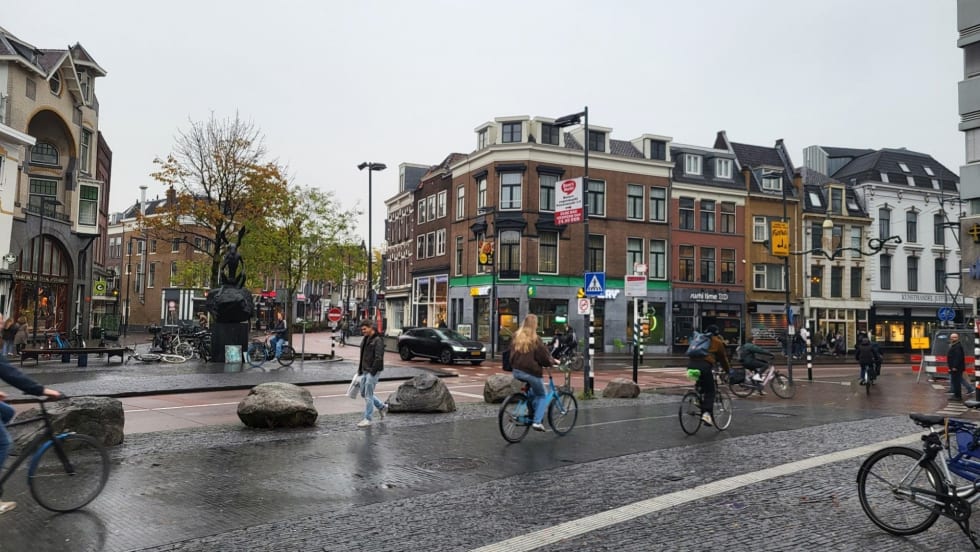
Latest Trends in Urban Mobility from Polis Conference 2025
Polis comprises cities and regions, as well as corporate partners, from across Europe, promoting the development and implementation of sustainable mobility. This year’s event had over a thousand attendees across various policy forums and an exhibition.
Read More →
Why Transit Leaders Require Better Tools for Operational Clarity In Today’s Tech-Fragmented Environment
Across North America and beyond, transit agency officials are contending with a perfect storm of operational headaches and strategic challenges that hamper daily service and long-term progress.
Read More →
The Powerless Brokers: Why California Can’t Build Transit
It is no secret that transit in the U.S. is slow and expensive to build.
Read More →
Why Transport Sustainability Should Focus on People Instead of Cars
Simply incentivizing electrification is not enough to make a meaningful impact; we must shift our focus toward prioritizing public transportation and infrastructure.
Read More →