
Metro Magazine

 MENU
 SEARCHMENUSEARCH
Loading data...
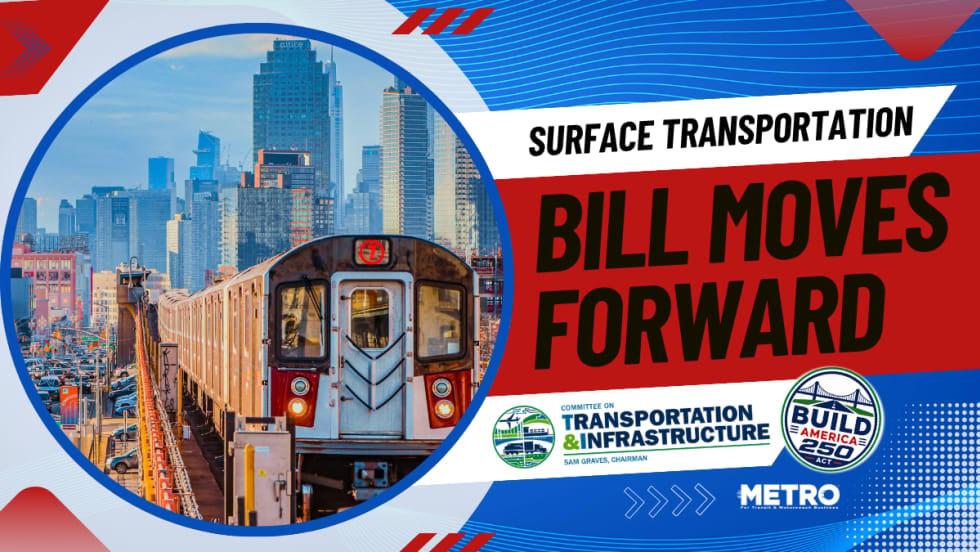
A bipartisan transportation package moving through Congress could redefine how the U.S. funds highways, transit, and motorcoach travel, while igniting new fights over electrification, regulation, and federal priorities.
Read More →


The budgets continue investments in infrastructure and equipment to maintain the system in a state of good repair and enhance the overall customer experience.
Read More →The order directs state agencies to streamline transit project delivery, improve coordination, and expand access to bus and passenger rail services across California.
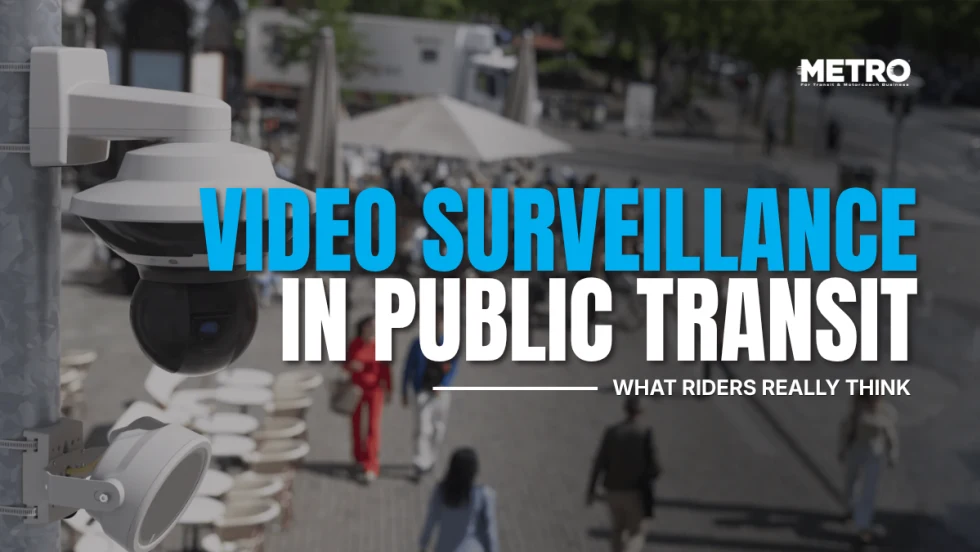
Read More →As video surveillance gains public acceptance, new research from Axis Communications reveals what transit riders expect from agencies when it comes to safety, privacy, and AI.
Read More →The Société de transport de Montréal, the Toronto Transit Commission, and TransLink have filed a joint pre-budget submission with three clear asks: restore the CPTF, accelerate shovel-ready projects, and make long-term transit funding predictable.
Read More →The stopgap keeps federal transportation programs moving, but missing advance funding could complicate the transit and rail projects agencies are planning next.
Read More →The family-friendly transit dashboard is part of a broader effort by the FTA and U.S. Department of Transportation to increase transparency, accountability, and service quality across the nation's public transportation systems, said officials.
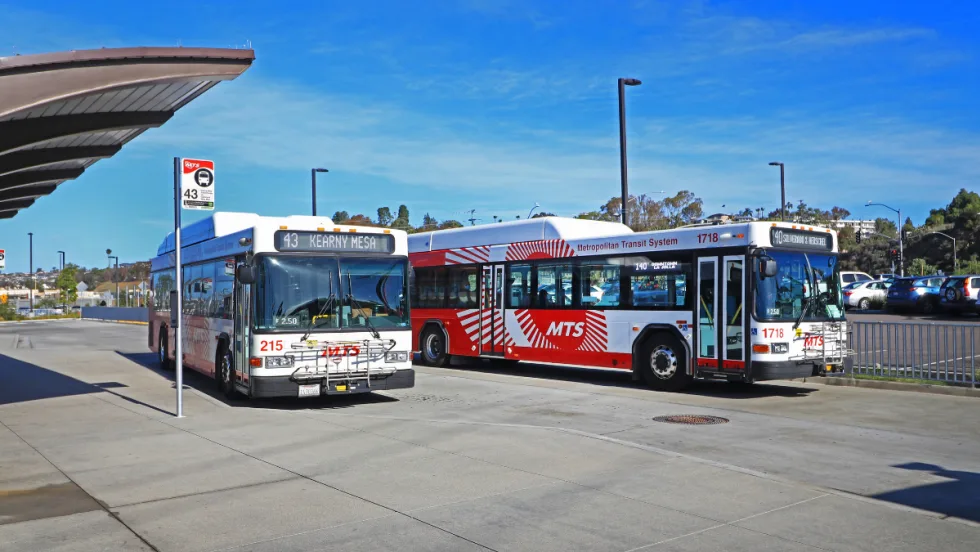
Read More →Named one of APTA’s 2026 Outstanding Public Transportation Systems with 50 million or more annual passenger trips, California’s San Diego Metropolitan Transit System points to gains in ridership, safety, technology, and reliability as foundations of its success.
Read More →Eric Reese discusses how interoperability, open architecture, and modular design can help transit agencies control costs, reduce vendor lock-in, and upgrade technology without starting over.
Read More →The analysis finds that a $4.6 trillion investment across all levels of government over 20 years ($230 billion per year) would be required to build, operate, and maintain a transit network that approaches the level of service within a cohort of 17 global cities with world-class transit systems.
Read More →