



FTA Plans Family-Friendly Transit Scorecard for Agencies Nationwide
The family-friendly transit dashboard is part of a broader effort by the FTA and U.S. Department of Transportation to increase transparency, accountability, and service quality across the nation's public transportation systems, said officials.

The proposed dashboard would provide transit agencies, policymakers, and the public with a standardized way to evaluate system performance across a range of quality-of-life measures that directly affect families and everyday riders.
FTA/METRO
- The Federal Transit Administration is creating a public dashboard to assess family-friendly metrics in transit systems nationwide.
- Key performance measures for the dashboard include safety, cleanliness, accessibility, service data availability, and reliability.
- The initiative aims to enhance transit systems for families and promote knowledge sharing among states.
*Summarized by AI
The Federal Transit Administration (FTA) is developing a new public dashboard that measures key family-friendly metrics on transit systems across America.
Transit systems can use this dashboard to track their progress in becoming more family-friendly, said the FTA
Launching the Initiative
To kickstart this initiative, the FTA is requesting input on five key quality performance measures:
- Safety and security.
- Cleanliness.
- Universal accessibility.
- Real-time service data availability.
- System reliability.
“American families deserve transit systems that actually work for them. That means a safe, clean, and reliable experience every time,” said U.S. Transportation Secretary Sean P. Duffy. “By focusing on these family-friendly features, transit systems will be putting the needs of American families first. It will also help states learn from one another on what efforts are already helping communities elsewhere.”
Building on Past Actions
The family-friendly transit dashboard is part of a broader effort by the FTA and U.S. Department of Transportation to increase transparency, accountability, and service quality across the nation's public transportation systems, said officials.
In recent months, the agency has launched several initiatives to improve safety, reliability, and the overall rider experience, while encouraging transit agencies to adopt best practices.
The proposed dashboard would provide transit agencies, policymakers, and the public with a standardized way to evaluate system performance across a range of quality-of-life measures that directly affect families and everyday riders.
Federal officials say the tool could also help transit systems identify areas for improvement and learn from successful strategies implemented by peer agencies around the country.
FTA is accepting public comments on the proposed performance measures through August 3. Feedback received during the comment period will help shape the final framework and determine whether additional metrics or data sources should be included before the dashboard is launched.
The agency has not announced a timeline for the dashboard's release, but says the initiative is intended to support ongoing efforts to make public transportation safer, cleaner, more accessible, and more reliable for riders nationwide.
Quick Answers
The purpose of the new FTA public dashboard is to measure and track key family-friendly metrics on transit systems across America, helping transit systems to become more family-friendly.
*Summarized by AI
More Security and Safety

CSA Group Releases Climate Resilience Standard for Transit, Passenger Rail
Developed with support from the Standards Council of Canada, CSA D700 guides assessing climate-related risks and planning adaptation measures for transit and passenger rail systems.
Read More →
San Diego MTS Approves New Fare Evasion Penalty Program
The new administrative process will move eligible violations out of the criminal court system, cap penalties at $125, and provide flexible payment options for riders.
Read More →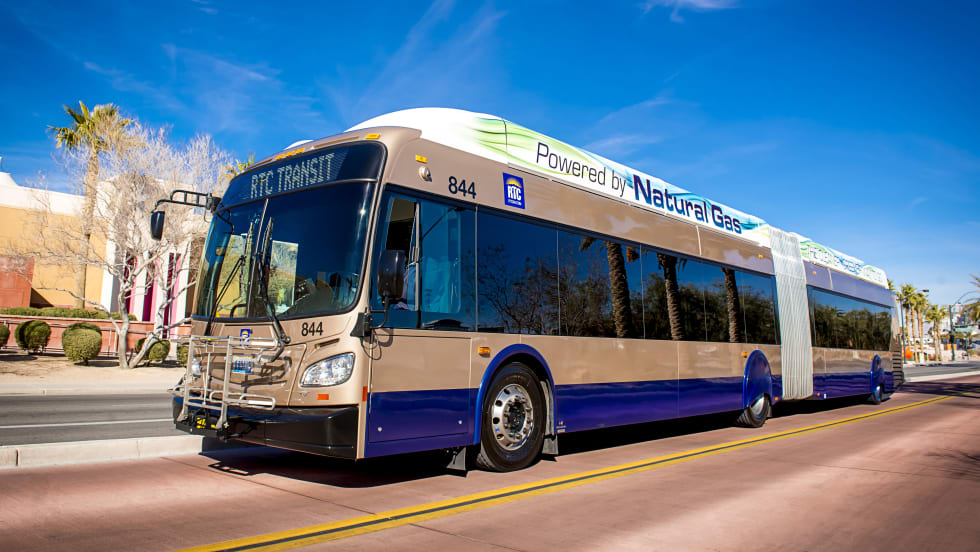
RTC of Southern Nevada Reports 29% Drop in Transit Operator Assaults
The agency credits expanded security measures, employee training, and technology investments for improvements in transit safety, while security officers have responded to 19 suspected overdoses since July.
Read More →
Public Transit Conference Returning to GFX in 2027, Call for Papers Now Open
The Call for Papers is now open, allowing transit agency professionals and industry experts to help shape the PTC educational program by submitting session ideas for consideration.
Read More →
Safe Transit Act Proposes New Security Requirements for Federal Transit Funding
Proposed legislation would link federal transit dollars to safety measures while requiring security investments, onboard cameras, and new fare collection standards.
Read More →
FTA Ends Direct Oversight of MBTA Safety Actions
The federal agency closed its remaining special directive to the Massachusetts Department of Public Utilities following a safety review that began in 2022.
Read More →
Transit Agencies Highlight Safety Gains at National Summit
Leaders from 15 major transit systems shared crime-reduction results and safety initiatives while discussing the role of continued federal support.
Read More →
DART Launches Major Security, Fare Enforcement Initiative
The 90-day demonstration will deploy coordinated security teams at five light rail stations while testing controlled access and gathering data to guide future investments.
Read More →
RTD Launches NextRide App to Consolidate Trip Planning, Fares, Security Reporting
The app expands on RTD’s existing NextRide web application and allows customers to view real-time vehicle locations and service alerts, purchase and store digital fares, and access customer support.
Read More →
TAPTCO Updates OSHA Compliance Training for Transit Maintenance Operations
The revamped program addresses 26 OSHA standards for maintenance facilities, with TAPTCO pointing to training, documentation, and everyday shop hazards as continuing challenges for transit operations.
Read More →