
Metro Magazine

 MENU
MENU SEARCHMENUSEARCH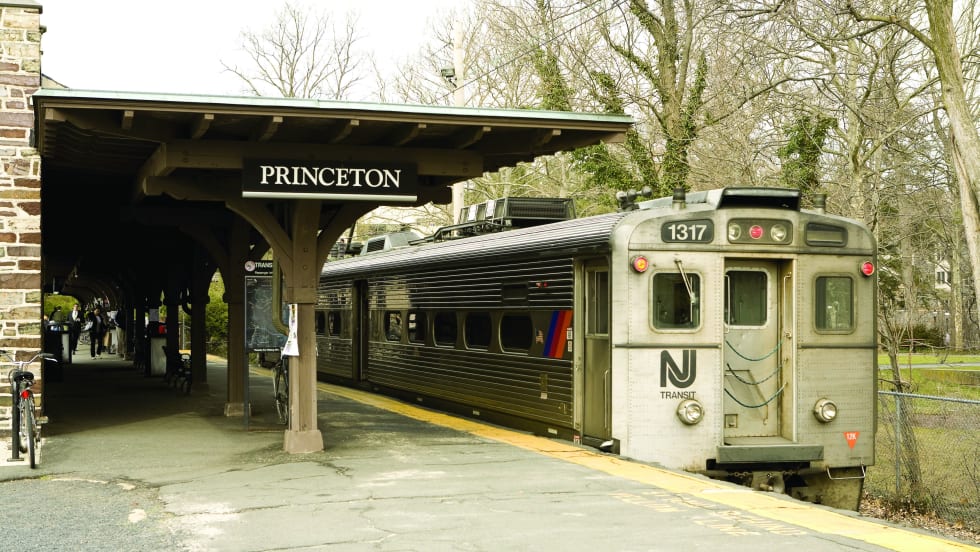
The university is currently awaiting approval on plans for a new arts complex that could not only save the historic train from being removed, but also increase ridership as well.
Read More →
In a study released earlier this week, the American Public Transportation Association (APTA) predicted that public transportation ridership would grow to record numbers as gasoline prices continue to spike.
Read More →Just two days into a strike by the faculty association ridership to the university has not decreased, since students make up a large part of the system's ridership.
Read More →If regular gas prices reach $4 a gallon across the nation, many experts have forecast an additional 670 million passenger trips could be expected, resulting in more than 10.8 billion trips per year.
Read More →Factors contributing to the success include a moderately improved economic environment allowing some recovery of business travel along the Northeast Corridor, sustained high gasoline prices, the increased appeal and popularity of rail travel, effective marketing campaigns and the introduction of Wi-Fi on the high-speed Acela Express trains.
Read More →Metro is a non-profit, tax-funded public service of SORTA, providing about 17 million rides per year. Metro provides fixed-route and paratransit services in Greater Cincinnati.
Read More →The agency also achieved an on-time record of 97.7 percent for the year, the sixth year in a row that trains performed at 97.5 percent on-time or better.
Read More →Data shows that placing jobs near transit is more effective in boosting ridership than having housing near transit. Additionally, while transit ridership is increasing in California, the state has failed so far to reap the benefits of its large investment in rail transit.
Read More →
Ridership potential is the number one factor in determining if a corridor is suitable for investment, according to a new study. It proposes that the federal government prioritize investments where the potential for ridership demand is greatest.
Read More →
As the University moves parking to the perimeters of campus in an effort to become more pedestrian-friendly and ease traffic, the Baylor University Shuttle and the DASH have gained a 30 percent increase in ridership.
Read More →