
Metro Magazine

 MENU
MENU SEARCHMENUSEARCH
Loading data...

The bus seating and fire protection supplier makes the change to reflect its expanded safety solutions offerings, including PPE.
Read More →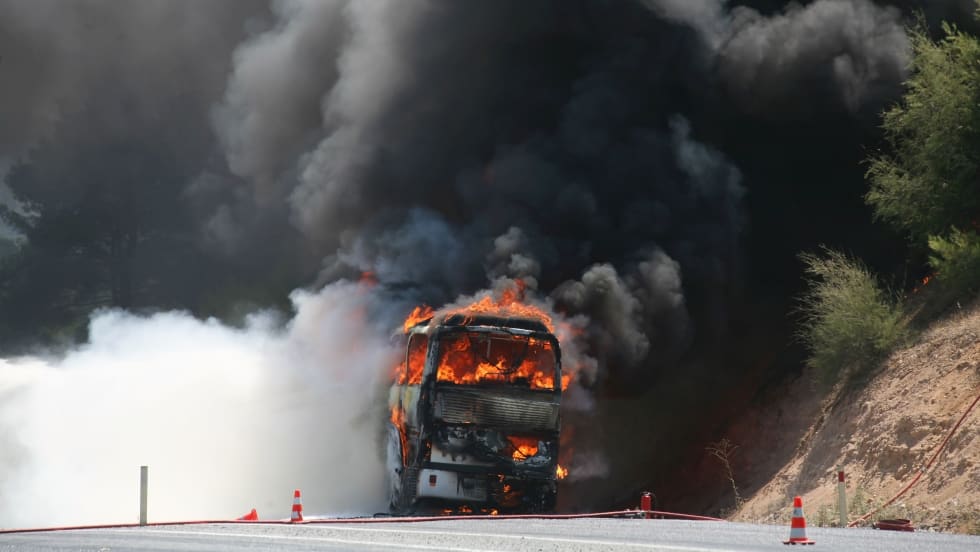
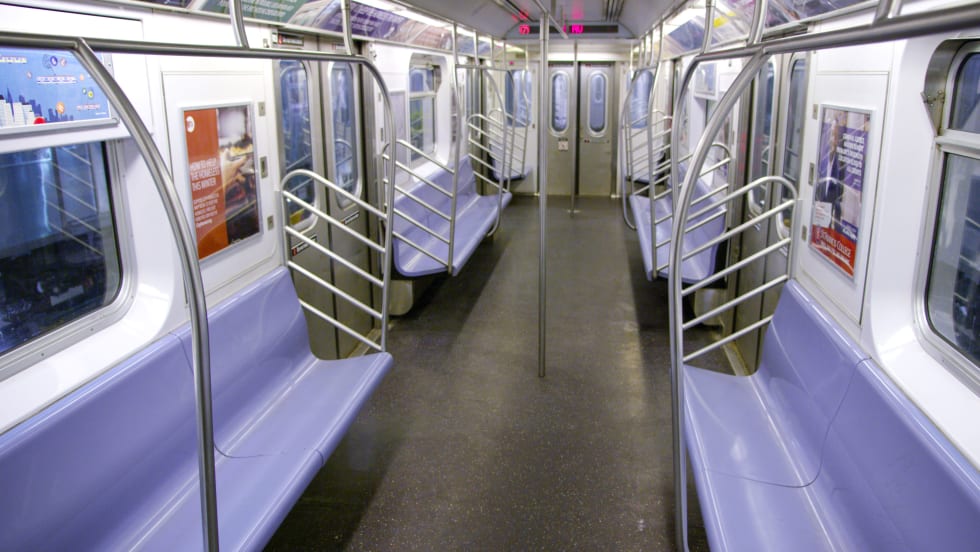
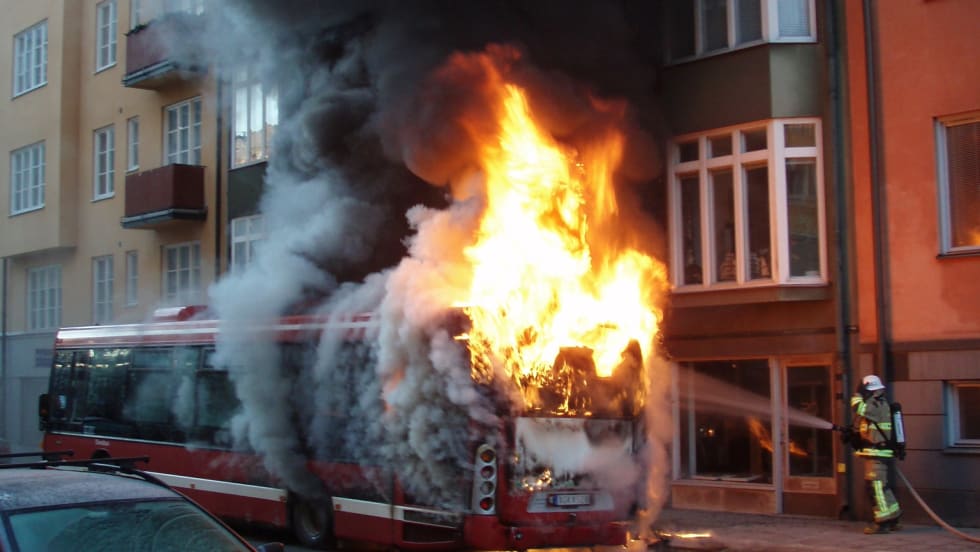
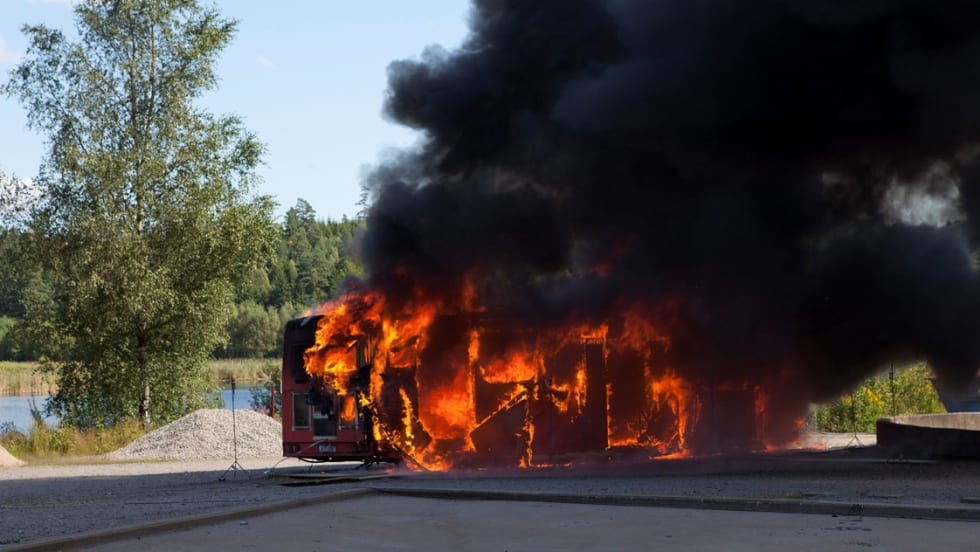
In bus interiors, the key combustible components are seating materials, and the federal regulations for seat cushioning and covers are grossly insufficient and outdated for fire safety.
Read More →In such a demanding environment, material choice for flooring plays an essential role in the overall longevity and durability of transportation.
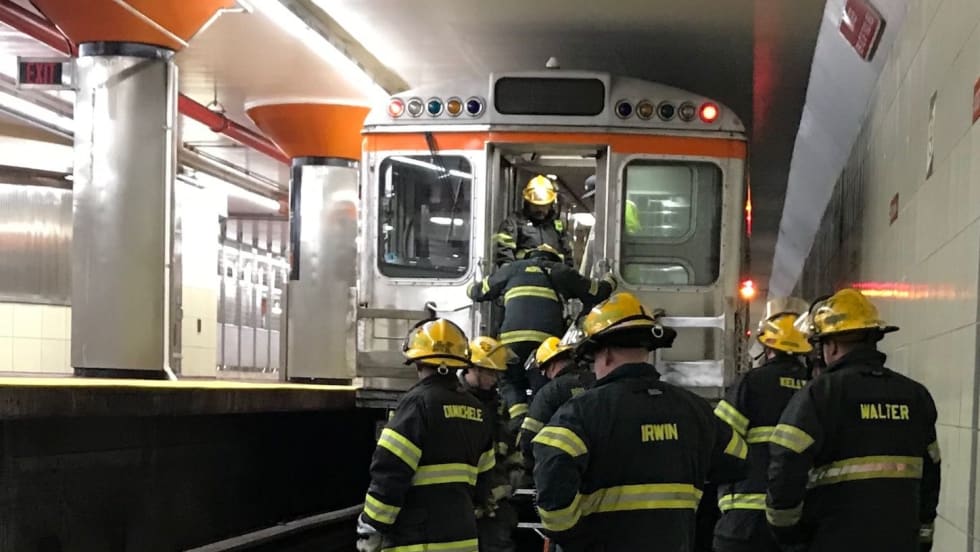
Read More →Working in subway tunnels is difficult under any circumstances and when you have to maneuver around an electrified third rail in an environment with less lighting, the task is even more daunting. Now imagine what it is like during an emergency...
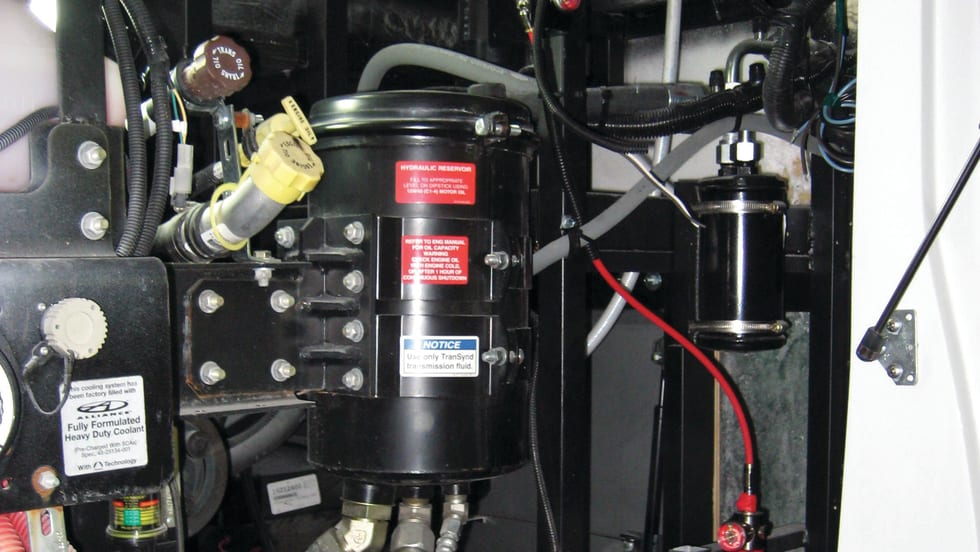
Read More →About two-thirds of all bus fires start in the engine compartment, according to researchers. Various types of suppression agents are used, including different sorts of dry chemical, water mist, foam, aerosol, gaseous agents, or sometimes combinations of those.
Read More →New and improved systems help detect any signs of a fire, even before flames come into play. Better detection leads to a quicker and more efficient response to out-of-the-ordinary conditions with different modes of suppression, depending on the needs of the vehicle.
Read More →SP Fire Research is leading the way for more effective fire suppression systems by establishing a certification process and test method for testing fire suppression systems against known fire threats and environmental conditions specific to bus engine environments.
Read More →Today, Firetrace systems can be found in transit and military vehicles, wind turbines, fume hoods, electrical cabinets and laboratory applications focusing on the protection of micro-environments, targeting the heart of the fire.
Read More →