



Practice is Key for Incident Response on Rail Systems
Working in subway tunnels is difficult under any circumstances and when you have to maneuver around an electrified third rail in an environment with less lighting, the task is even more daunting. Now imagine what it is like during an emergency...

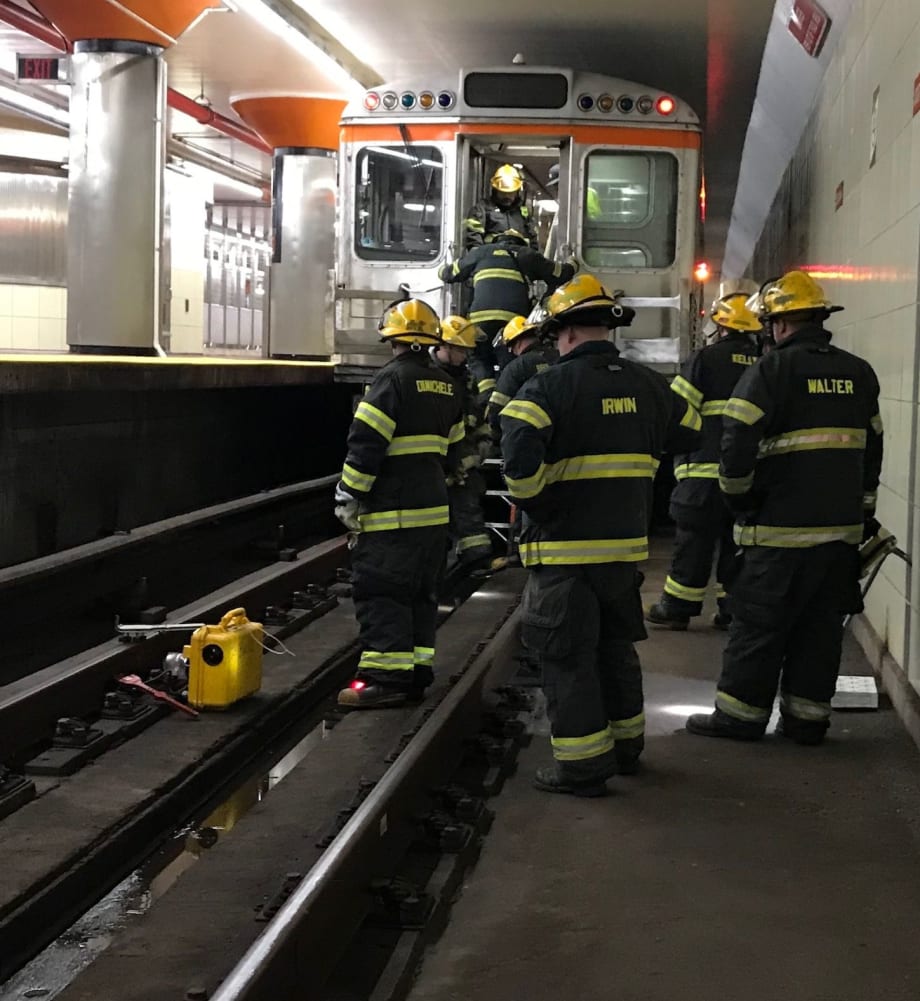
SEPTA provides awareness training that allows firefighters and paramedics to practice their response procedures for rail incidents. Photo: SEPTA
SEPTA provides awareness training that allows firefighters and paramedics to practice their response procedures for rail incidents. Photo: SEPTA
Working in subway tunnels is difficult under any circumstances and when you have to maneuver around an electrified third rail in an environment with less lighting, the task is even more daunting. Now imagine what it is like during an emergency — a train with equipment issues, someone struck, or smoke in the tunnel — and you need to evacuate a vehicle packed with passengers. For transportation crews that work on the trains every day, their equipment familiarity is key to a safe, quick incident response.
But what about fire and rescue personnel called to the scene of a crisis? They are well-prepared to handle injuries and fires, but where do they access the tracks, hook up hoses, or open vehicle doors?
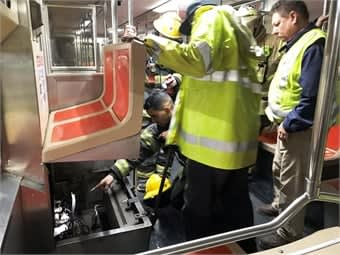
A training seat is part of the exercise. Photo: SEPTA
Every year, the Southeastern Pennsylvania Transportation Authority (SEPTA) partners with the Philadelphia Fire Department (PFD) on awareness training that allows firefighters and paramedics to practice their response procedures to an emergency on SEPTA’s Broad Street Line subway.
“We are fortunate to live in a city that has one of the most elite fire response agencies in the nation,” said Jim Fox, SEPTA’s assistant GM, System Safety. “Allowing PFD crews to work with our station and vehicle equipment before an incident occurs not only enhances their skills, the exercise assures our passengers that emergency personnel are ready for any situation they might encounter.”
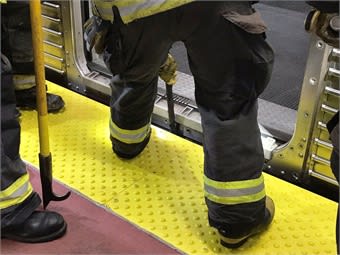
Firefighters review how to open doors of SEPTA trains. Photo: SEPTA
Over the course of a month, SEPTA System Safety officers conducted subway awareness training sessions for firefighters and medics whose stations have first alarm assignments to those locations.
“We value our partnership with SEPTA,” said Adam K. Thiel, PFD Commissioner. “This specialized training is critically important to our mission of keeping people safe 24x7x365.”
RELATED: From Mobility to Emergencies: Public Transit's Role
The exercises are designed as a refresher and to reach firefighters and paramedics that are new to the PFD or to firehouses near Broad Street Line stations. SEPTA representatives review the locations of alarms and hose hook-ups, the process for requesting third rail power shut off, how to open doors of trains that are disabled without power and evacuating passengers from a train, including reviewing the location of emergency exits from street level.
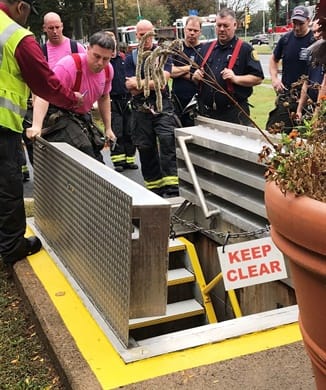
Emergency exit training. Photo: SEPTA
SEPTA also supplies PFD firehouses located near subway stations with keys that open tunnel emergency exits and radios that provide a direct line of communication with Authority personnel during an emergency. The awareness exercises allowed SEPTA to ensure PFD has the correct tools and that they are functional.
“You have to be able to get to and into the train as quickly as possible, to get your evacuation procedure up and running," Fox said. "You don’t want to get to the scene of an incident and find that your equipment isn’t working or that you have to really search for anything you will need.”
After the last session in mid-October, SEPTA had trained more than 400 PFD firefighters and medics in 2017.
Heather Redfern is the Public Information Manager for the Southeastern Pennsylvania Transportation Authority.
More Blog Posts
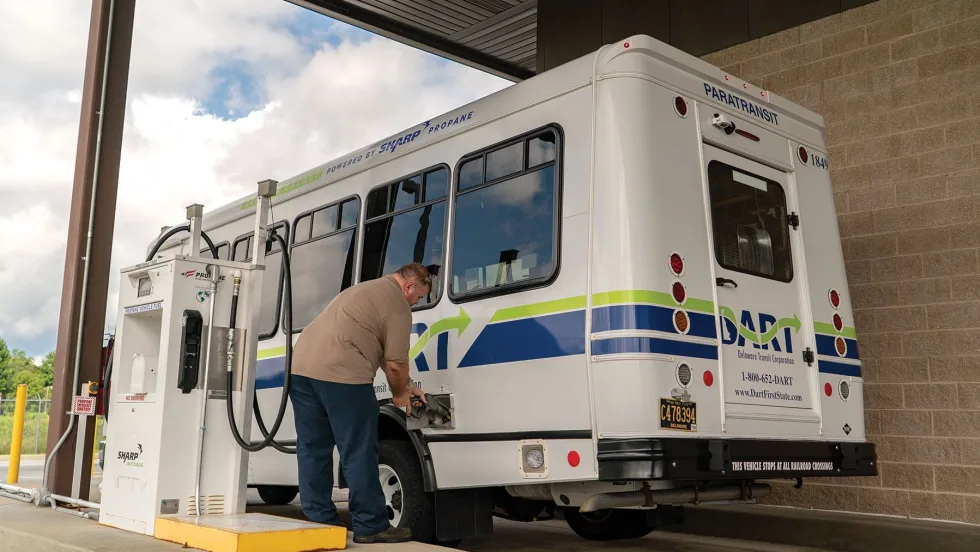
Building a Winning FTA Grant Proposal: Why Propane Autogas is the Pragmatic Choice for Fleet Resilience
With $610 million available through the FY 2026 Buses and Bus Facilities Competitive Program and the Low or No Emission Grant Program, agencies must build a compelling case before the September 21 deadline that balances environmental compliance with operational feasibility.
Read More →
Velo-city Conference 2026: Latest Trends in Cycling as Part of Urban Mobility
The global cycling conference highlighted how cities are integrating bicycles into multimodal transportation networks, expanding cycle tourism and reshaping urban mobility.
Read More →
Kindness Isn’t Soft...It’s Strategic.
Mike Bismeyer — often known as “The Kindness Guy” — has spent more than 17 years in public transit and mobility, serving in industry leadership roles, speaking across North America, and advocating for stronger workplace cultures. But his message doesn’t come from theory. It comes from lived experience.
Read More →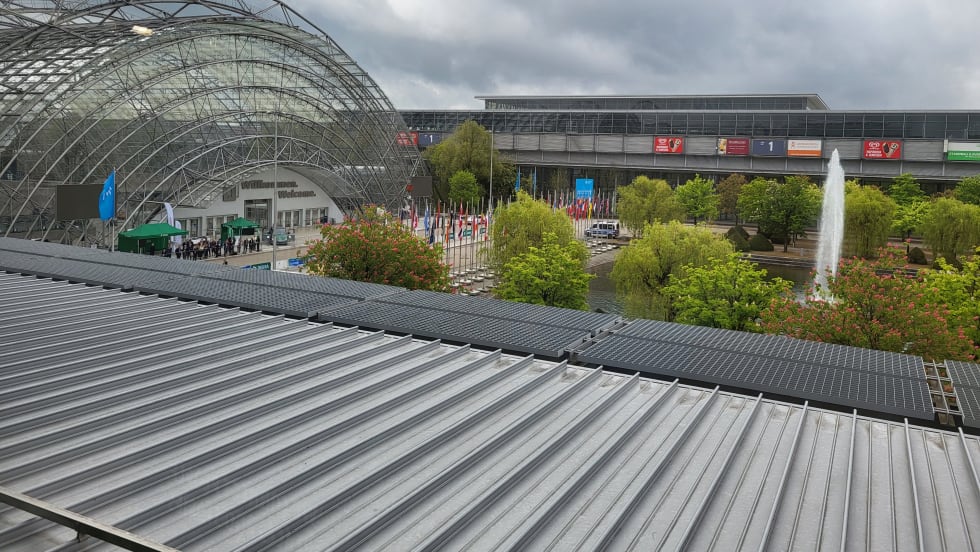
Inside ITF 2026: Transport Reacts to A Challenging World
Transport leaders from around the world gathered in Leipzig, Germany, for the 2026 International Transport Forum to discuss resilience, climate impacts, supply chains and the future of sustainable mobility.
Read More →
Every Ride Tells a Story — But You’re Not Just Selling the Ride
You’re selling the moment, the meaning, and the emotion behind it.
Read More →
How Digital Signage is Reshaping the Traveler Experience at Transportation Hubs
What was once a landscape of static signs has evolved into a responsive, immersive environment powered by real-time visual communication.
Read More →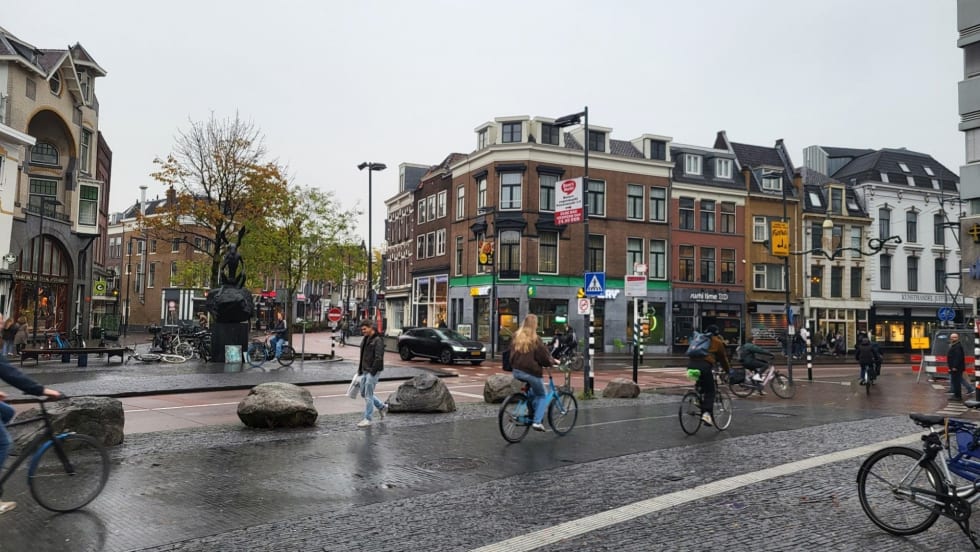
Latest Trends in Urban Mobility from Polis Conference 2025
Polis comprises cities and regions, as well as corporate partners, from across Europe, promoting the development and implementation of sustainable mobility. This year’s event had over a thousand attendees across various policy forums and an exhibition.
Read More →
Why Transit Leaders Require Better Tools for Operational Clarity In Today’s Tech-Fragmented Environment
Across North America and beyond, transit agency officials are contending with a perfect storm of operational headaches and strategic challenges that hamper daily service and long-term progress.
Read More →
The Powerless Brokers: Why California Can’t Build Transit
It is no secret that transit in the U.S. is slow and expensive to build.
Read More →
Why Transport Sustainability Should Focus on People Instead of Cars
Simply incentivizing electrification is not enough to make a meaningful impact; we must shift our focus toward prioritizing public transportation and infrastructure.
Read More →