
Metro Magazine

 MENU
MENU SEARCHMENUSEARCH
Loading data...

Public transport systems are becoming more dependent on digital technology, making the risk of cyberattacks increasingly real. Therefore, operators must prioritize security measures to protect these digital systems from malicious actors.
Read More →

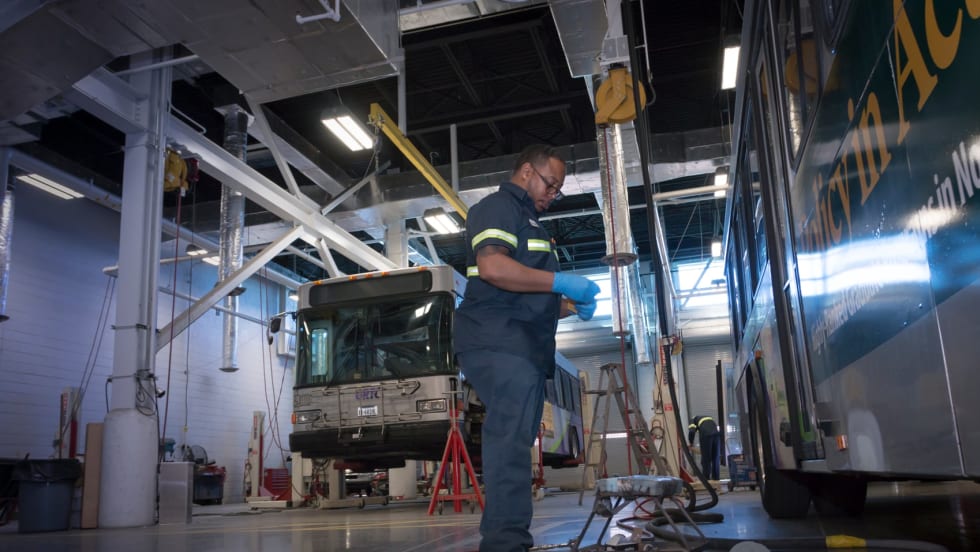





Just as transportation hubs orchestrate the travel of passengers between rail, bus, and other transit options, smart cities employing multimodal transport hubs could organize EV charging within their borders to benefit a wide variety of constituents.
Read More →Will leverage the internet of things to build connectivity in sharing public roadways.
Read More →Budgets for maintaining assets and vehicles are often strained, forcing managers to make difficult repair-or-replace decisions...
Read More →The risks to railways are well-documented and substantial, and many governments around the world have adopted an aggressive posture when it comes to protecting critical infrastructure.
Read More →System will be used to collect technical data in real-time from the vehicles and from the driver's performance.
Read More →The Internet of Things and evolution of smart cities means that transportation is primed to undergo some rapid and disruptive changes in the near future.
Read More →While physical assets and roadside infrastructure are a vital part of connected transportation systems, in many cities and states, it is the underlying technology network that is most lagging.
Read More →The two companies use real-time, multi-screen displays to help city residents and visitors navigate infrastructure and urban transportation.
Read More →The rapid growth of the Internet of Things (IoT) device ecosystem, and the spread of high-speed broadband internet access combine to offer cities of all sizes the opportunity to modernize their mass transit systems. Doing so will enable officials to accomplish two long-standing goals: drive up the usage of public transportation and spur local economic development.
Read More →