
Metro Magazine

 MENU
MENU SEARCHMENUSEARCH
Loading data...
Propane-powered EV charging offers reliability and scalability without sacrificing emissions goals.
Read More →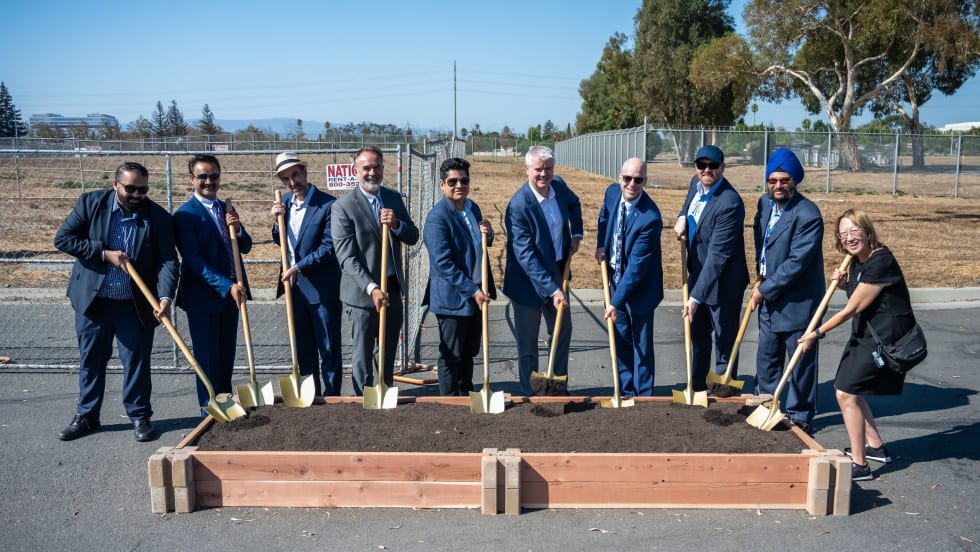


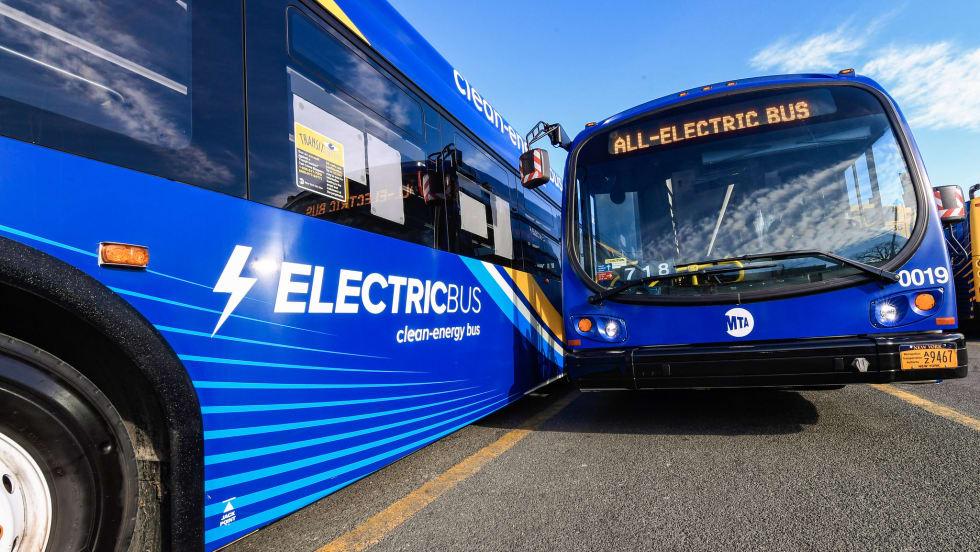

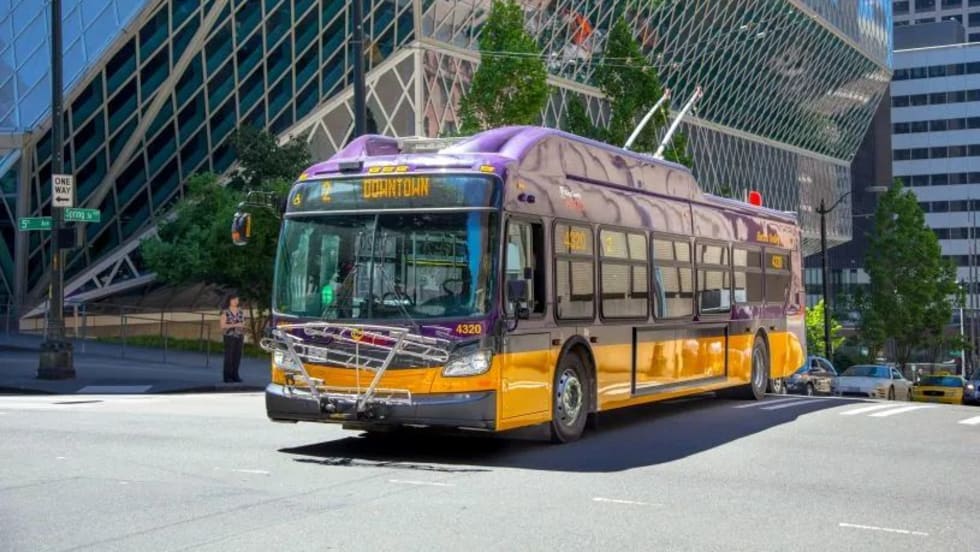
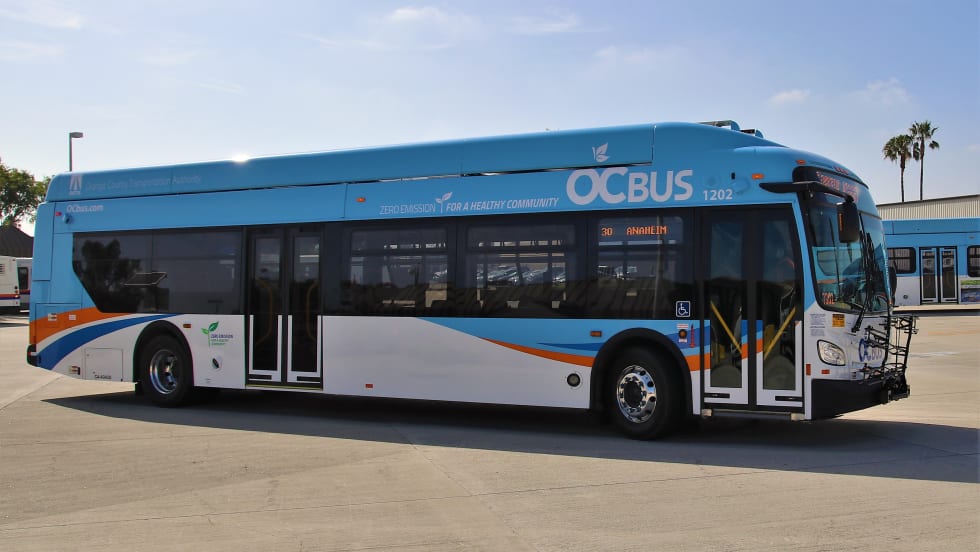
The Cerone Microgrid Project pairs bus charging infrastructure with solar panels and a microgrid, which stores electricity onsite in large batteries and can keep buses accused in the event of a major blackout.
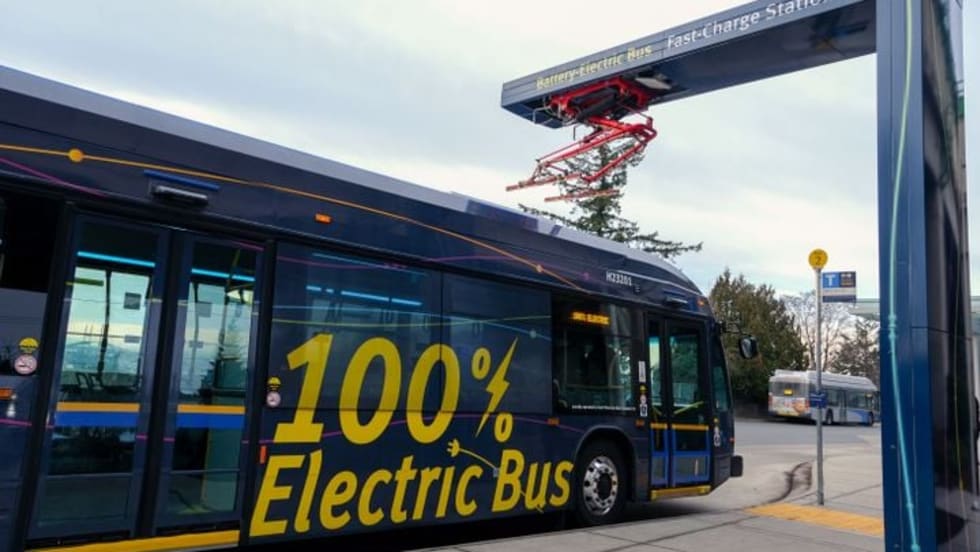
Read More →With $479 million in newly approved funding, TransLink is set to expand its battery-electric bus fleet, replace aging diesel vehicles, build out charging infrastructure, and move closer to a zero-emission future.
Read More →METRO’s Executive Editor Alex Roman spoke to CALSTART’s Brian Ballschmidt, Brian Lee, Katrina Sutton about key findings from its recent report for the FTA, what the future may hold for wireless charging, and more.
Read More →The company's Series A round was led by experienced venture and growth firms, including Aligned Climate Capital, Ecosystem Integrity Fund, and Remarkable Ventures Climate.
Read More →The choice to go electric for your zero-emission bus fleet doesn’t need to be overwhelming. A modular approach can be the best route to lower your risk while advancing your decarbonization goals.
Read More →The purchase builds on the 60 zero-emission buses that came last year and is in addition to the 205 zero-emission buses slated to come beginning late this year.
Read More →METRO spoke to Daniel Hilson about the company's recent TTC project, the current issues with implementing electric charging infrastructure, and much more.
Read More →In addition to being selected to provide the new batteries, Kiepe Electric is also the manufacturer of the original propulsion systems for Metro’s trolley fleet.
Read More →The purchase, unanimously approved by the board, includes 40 hydrogen fuel-cell electric buses and 10 battery-electric buses, which will replace buses at the end of their useful lifespan that run on compressed natural gas.
Read More →