



Strategic Safety Measures at CATS Lead to Drop in Transit Crime
Under the leadership of the CATS Chief Safety and Security Officer, the organization has marked a pivotal transformation.
June 1, 2026


Since WeDriveU, formerly National Express, assumed management of bus operations in 2024, several new critical safety protocols specific to bus operations have been implemented on the CATS system.
Photo: CATS
3 min to read
- CATS has experienced a significant drop in transit crime due to strategic safety measures.
- The safety improvements were initiated under the direction of CATS' Chief Safety and Security Officer.
- This development marks a crucial transformation for the organization in enhancing security.
*Summarized by AI
North Carolina’s Charlotte Area Transit System (CATS) released updated data showing a significant decline in crime and assaults across the transit system, reflecting the impact of comprehensive security initiatives implemented over the past year.
Initiatives Bearing Fruit
Under the leadership of the CATS Chief Safety and Security Officer, the organization has marked a pivotal transformation.
Following a consolidated contract with Professional Security Services and an enhanced partnership with the Charlotte- Mecklenburg Police Department (CMPD), the system is seeing measurable results in passenger and operator protection.
Key Data Highlights (Q1 2026 vs. Q1 2025):
- 69% decrease in crime on the Blue Line.
- 67% reduction in overall assaults on bus operators and passengers.
- Zero major assaults (requiring medical response) were recorded for operators or passengers.
- Zero passenger-on-passenger assaults in Q1 2026 (down from three in 2025).
“The data shows the security enhancements we have implemented are taking hold and yielding meaningful improvements,” said CATS Interim CEO Brent Cagle. “While we recognize that safety and security are moving targets, CATS today is in a very different place than it was three years ago. We remain firmly committed to the safety of our employees and customers.”
New Safety Protocols in Place
Since WeDriveU, formerly National Express, assumed management of bus operations in 2024, several new critical safety protocols specific to bus operations have been implemented:
- Strengthened Communication: Radio controllers now have real-time video access to vehicles and undergo enhanced training to ensure rapid deployment of emergency services.
- Onboard Awareness: Expanded announcements notify passengers that audio/video recording is active and that aggressive behavior toward operators will result in criminal charges.
- Optimized Response Times: The average response time for Bus Communications to capture a call has been reduced to approximately 35 seconds, with bus-originated calls now color-coded and prioritized over schedule alerts.
- Escalation Procedures: New protocols for high-level events ensure that on-duty lead controllers coordinate responses to threats of violence immediately.
- Operator Empowerment: Operators are equipped with both overt and covert emergency buttons and receive real-time coaching to safely manage disruptive situations.
Rider Enhancements
Enhancements have also been made to reporting functions for customers, including:
- Text a Tip: CATS has integrated a Text-a-Tip line, giving riders an additional way to request support, in addition to reporting a problem via the CATS website homepage. The 'Report a problem to CATS' button within the CATS-Pass app has also been updated for better visibility.
- Promotion of reporting tools: New signage has been integrated throughout the system, listing the various ways to request support, as well as overhead audio announcements.
"Our proactive safety and security measures are delivering tangible results, and seeing systemwide crime numbers drop is a major step forward,” said CATS Chief Safety and Security Officer Eric Osnes. "We will keep building on this momentum, adjusting our strategies in real-time to protect our community and stay ahead of the curve."
CATS said it continues to scale up its security presence by deploying additional off-duty CMPD and Mecklenburg County Sheriff’s deputies.
Future-focused initiatives include securing a dedicated fare enforcement unit and partnering with CPCC and UNCC to develop and test new AI-driven security technologies.
These enhancements are fully integrated into the current and proposed FY2027 operating and capital budgets, as well as the CATS Integrated Public Safety and Security Plan.
Quick Answers
The organization discussed is CATS (Charlotte Area Transit System).
*Summarized by AI
More Security and Safety

Public Transit Conference Returning to GFX in 2027, Call for Papers Now Open
The Call for Papers is now open, allowing transit agency professionals and industry experts to help shape the PTC educational program by submitting session ideas for consideration.
Read More →
Safe Transit Act Proposes New Security Requirements for Federal Transit Funding
Proposed legislation would link federal transit dollars to safety measures while requiring security investments, onboard cameras, and new fare collection standards.
Read More →
FTA Ends Direct Oversight of MBTA Safety Actions
The federal agency closed its remaining special directive to the Massachusetts Department of Public Utilities following a safety review that began in 2022.
Read More →
Transit Agencies Highlight Safety Gains at National Summit
Leaders from 15 major transit systems shared crime-reduction results and safety initiatives while discussing the role of continued federal support.
Read More →
DART Launches Major Security, Fare Enforcement Initiative
The 90-day demonstration will deploy coordinated security teams at five light rail stations while testing controlled access and gathering data to guide future investments.
Read More →
RTD Launches NextRide App to Consolidate Trip Planning, Fares, Security Reporting
The app expands on RTD’s existing NextRide web application and allows customers to view real-time vehicle locations and service alerts, purchase and store digital fares, and access customer support.
Read More →
TAPTCO Updates OSHA Compliance Training for Transit Maintenance Operations
The revamped program addresses 26 OSHA standards for maintenance facilities, with TAPTCO pointing to training, documentation, and everyday shop hazards as continuing challenges for transit operations.
Read More →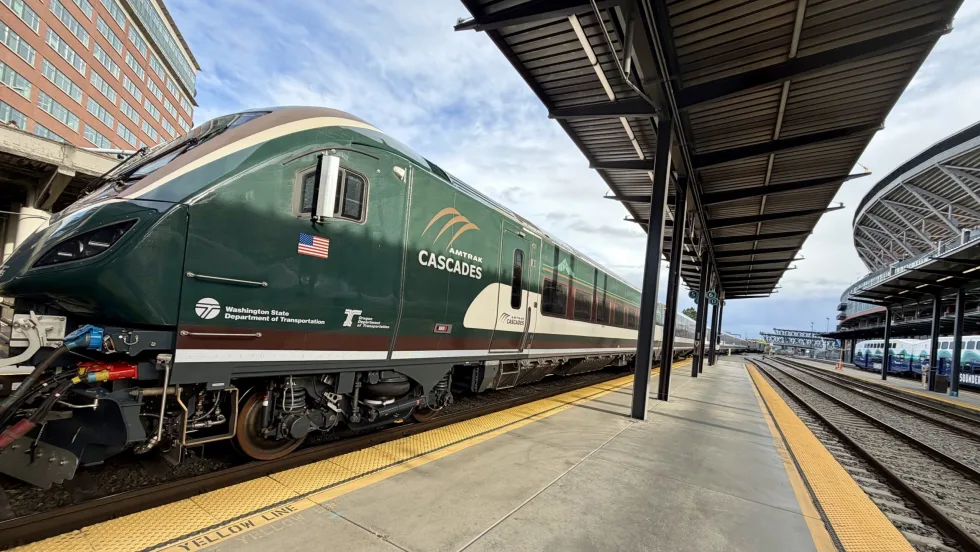
FRA Announces $5.3B in Rail Investments, Including $2B for Amtrak
Funding will support grade-crossing improvements, infrastructure upgrades, and new Amtrak equipment in 23 states.
Read More →
Chicago, Maryland Expand Non-Law-Enforcement Safety, Rider Support
The CTA and MTA are launching new programs aimed at de-escalation, crisis response, rider assistance, and greater transparency.
Read More →
LA Metro, City of West Hollywood, and Partners Advance Smarter Bus Lane Enforcement
The award-winning partnership combines AI-powered detection with human oversight to improve bus reliability, accessibility, and enforcement efficiency.
Read More →