



Feds call for development of highway-rail grade crossing safety plans
Proposed rule would require all states and D.C., to develop and implement a new or updated action plan.

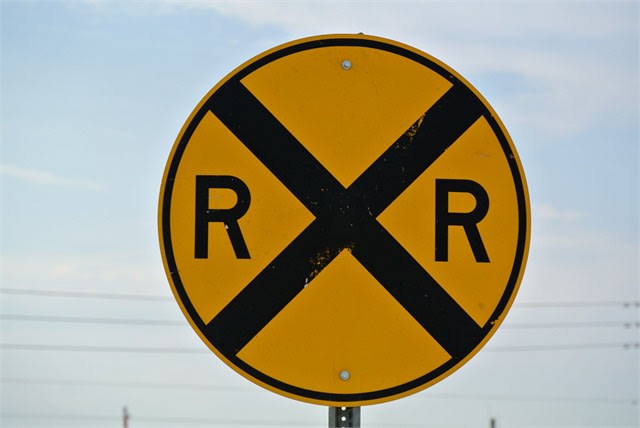
FRA will review states’ action plans for sufficiency and, upon approval, will publish the plans on the internet
CC0 Public Domain
FRA will review states’ action plans for sufficiency and, upon approval, will publish the plans on the internet
CC0 Public Domain
The U.S. DOT announced significant plans to advance highway-rail grade crossing safety.
The publication of a Notice of Proposed Rulemaking (NPRM) will look to improve safety at public highway-rail grade crossings nationwide. The proposed rule would require all states and the District of Columbia to develop and implement a new or updated highway-rail grade crossing action plan no later than one year after the effective date of the final rule.
FRA will review states’ action plans for sufficiency and, upon approval, will publish the plans on the internet. The action plans will enable states to prioritize infrastructure and equipment investments at railway crossings using a variety of resources, including federal formula funds and grants.
The Highway-Rail Crossing Handbook has also been updated and revamped for the first time in over 10 years. The important resource for constructing and maintaining safer highway-rail grade crossings offers guidance for best practices and new standards to improve safety at the Nation’s 130,000 public rail and road junctures.
The third edition of the Highway-Rail Crossing Handbook provides important information on highway-rail crossings and characteristics of the crossing environment and users, and was developed in conjunction with stakeholders and safety advocates. The guidance focuses on the physical and operational improvements that can be made at highway-rail grade crossings to enhance the safety and operation of both highway and rail traffic over crossing intersections.
In addition to this, the Department this year conducted the 4th annual multi-million-dollar targeted railroad crossing safety campaign called “Stop. Trains Can’t.” to increase public awareness of railroad crossings and to reduce injuries and death. The campaign focused on cities that have the highest vehicle/train incidents in the past 10 years.
For further information and instructions on how to comment on the proposed rulemaking, see the NPRM as published in the Federal Register.
More Security and Safety
CSA Group Releases Climate Resilience Standard for Transit, Passenger Rail
Developed with support from the Standards Council of Canada, CSA D700 guides assessing climate-related risks and planning adaptation measures for transit and passenger rail systems.
Read More →
San Diego MTS Approves New Fare Evasion Penalty Program
The new administrative process will move eligible violations out of the criminal court system, cap penalties at $125, and provide flexible payment options for riders.
Read More →
RTC of Southern Nevada Reports 29% Drop in Transit Operator Assaults
The agency credits expanded security measures, employee training, and technology investments for improvements in transit safety, while security officers have responded to 19 suspected overdoses since July.
Read More →
Public Transit Conference Returning to GFX in 2027, Call for Papers Now Open
The Call for Papers is now open, allowing transit agency professionals and industry experts to help shape the PTC educational program by submitting session ideas for consideration.
Read More →
Safe Transit Act Proposes New Security Requirements for Federal Transit Funding
Proposed legislation would link federal transit dollars to safety measures while requiring security investments, onboard cameras, and new fare collection standards.
Read More →
FTA Ends Direct Oversight of MBTA Safety Actions
The federal agency closed its remaining special directive to the Massachusetts Department of Public Utilities following a safety review that began in 2022.
Read More →
Transit Agencies Highlight Safety Gains at National Summit
Leaders from 15 major transit systems shared crime-reduction results and safety initiatives while discussing the role of continued federal support.
Read More →
DART Launches Major Security, Fare Enforcement Initiative
The 90-day demonstration will deploy coordinated security teams at five light rail stations while testing controlled access and gathering data to guide future investments.
Read More →
RTD Launches NextRide App to Consolidate Trip Planning, Fares, Security Reporting
The app expands on RTD’s existing NextRide web application and allows customers to view real-time vehicle locations and service alerts, purchase and store digital fares, and access customer support.
Read More →
TAPTCO Updates OSHA Compliance Training for Transit Maintenance Operations
The revamped program addresses 26 OSHA standards for maintenance facilities, with TAPTCO pointing to training, documentation, and everyday shop hazards as continuing challenges for transit operations.
Read More →