



Fla.'s PSTA opens first inductive wireless charging station on East Coast
The new WAVE wireless charging station includes a primary charging plate aimed at reducing wait time for electric buses to be fully charged.
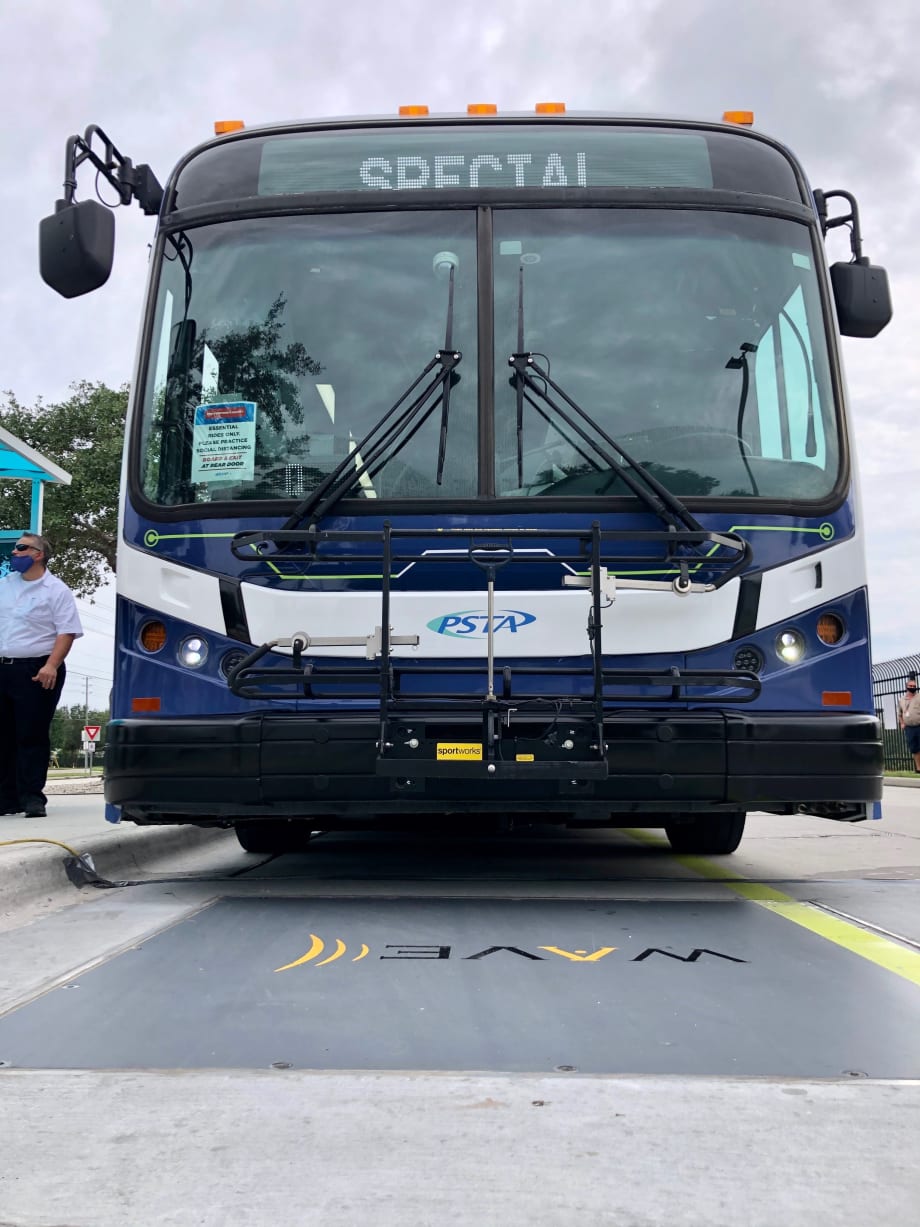
The process works by an electric bus stopping over the charge plate and aligning with it.
PSTA
Fla.’s Pinellas Suncoast Transit Authority (PSTA) officially opened the first inductive wireless charging station on the East Coast.
The new WAVE wireless charging station, the 250-kilowatt Inductive Power Transfer Technology (IPT), includes a primary charging plate aimed at reducing wait time for electric buses to be fully charged. Our fleet of two electric buses, with four more expected in of 2020, currently charge by using a plug-in charger taking approximately four hours to fully recharge. The new technology now cuts the wait-time by more than half.
“This innovative technology is one giant step forward for not only PSTA, but transit agencies across the nation. Being the first electric charging station of its kind in Florida sets the standard of transportation agencies becoming more environmentally-friendly,” said Brad Miller, PSTA CEO. “At PSTA we are committed to reducing our carbon-footprint while still providing the best service possible to our community.”
The process works by an electric bus stopping over the charge plate and aligning with it. The only training drivers will need is how to properly align with the charger, which connects with the bus wirelessly. Once the driver is aligned with plate, he or she will just have to press a button and a 10-minute charge will begin. PSTA’s electric buses average 180 miles or 15 hours before having to re-charge.
Project construction and installation was awarded to A & K Energy Conservation Inc. to not exceed a total cost of $192,000. Funding is derived from Pinellas County's Deepwater Horizon oil spill settlement.
More Technology

Building a Flexible Path to Transit Electrification with BAE's John Hroncich
John Hroncich discusses BAE Systems’ modular and scalable approach, lessons learned from decades of real-world operations, and how agencies can identify electrification strategies that fit their fleets.
Read More →
Scenes from APTA TRANSform & EXPO 2026
Transit leaders, manufacturers, and industry professionals gathered in Chicago to explore new technologies, share ideas, and discuss the future of public transportation.
Read More →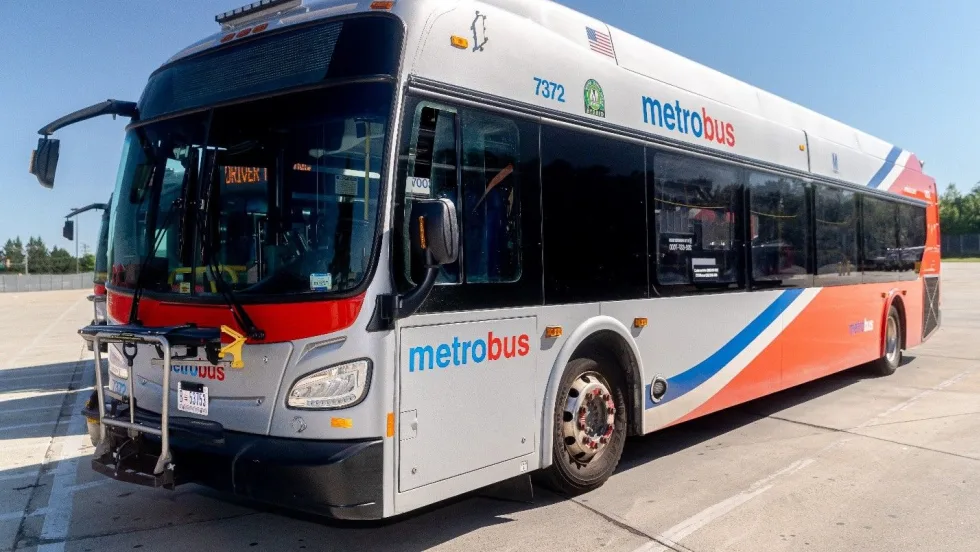
Biz Briefs: New Flyer Secures Additional 100-Bus Order from WMATA and More
In METRO's latest installment, we also take a look at recent news from Masabi, MCI, Samsara, and more partnerships making headlines across the transportation sector.
Read More →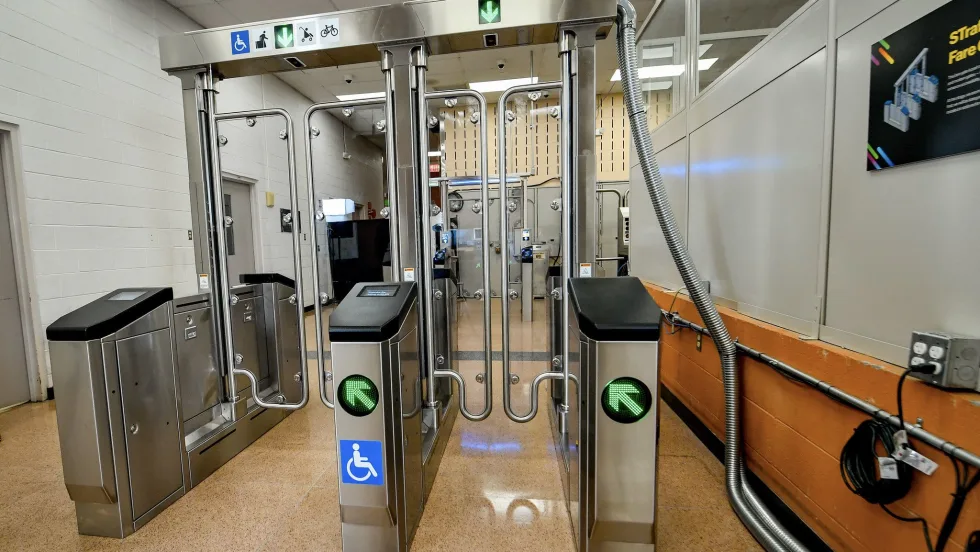
MTA Fare Gate Pilot Reduces Fare Evasion by 35%
Following a 20-station pilot, the agency plans to install new fare gates at 20 additional subway stations as part of a $1.1 billion modernization initiative.
Read More →
California Law Extends AC Transit’s Bus Lane Camera Enforcement
The new law allows AC Transit to continue using forward-facing bus cameras to enforce parking violations in bus-only lanes and at bus stops.
Read More →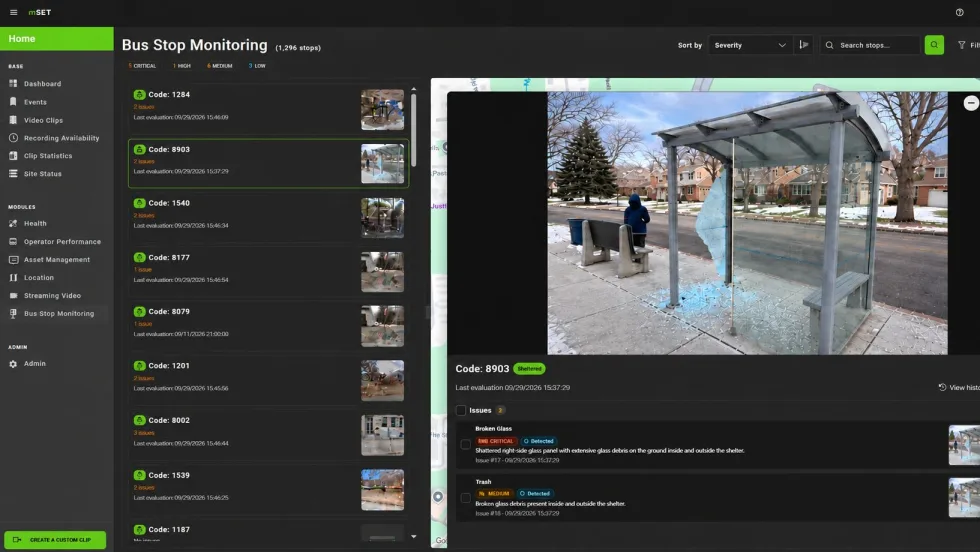
Biz Briefs: Luminator Launches AI Technology to Monitor Bus Stop Conditions and More
In METRO's latest installment, we also take a look at recent news from Masabi, Troman Industries, ioki, CCW, and more partnerships making headlines across the transportation sector.
Read More →
Public Transit Conference Returning to GFX in 2027, Call for Papers Now Open
The Call for Papers is now open, allowing transit agency professionals and industry experts to help shape the PTC educational program by submitting session ideas for consideration.
Read More →
ENC Lands MATA Contract and More in Biz Briefs
In this edition of Biz Briefs, we spotlight the latest developments shaping the future of mobility.
Read More →
Strada360’s Steve Lassey on Turning Transit Data Into Better Decisions
From breaking down data silos to preparing for AI, Strada360 CEO Steve Lassey discusses how transit agencies can use technology to improve operations, customer information, and long-term decision-making.
Read More →
Almaviva Looks to Open Architecture to Advance Transit Technology
Eric Reese discusses how interoperability, open architecture, and modular design can help transit agencies control costs, reduce vendor lock-in, and upgrade technology without starting over.
Read More →