



ENC showcases new Axess fuel-cell bus
The resulting energy storage is twice that of a battery-electric bus. It has increased range, extending beyond 300 miles.

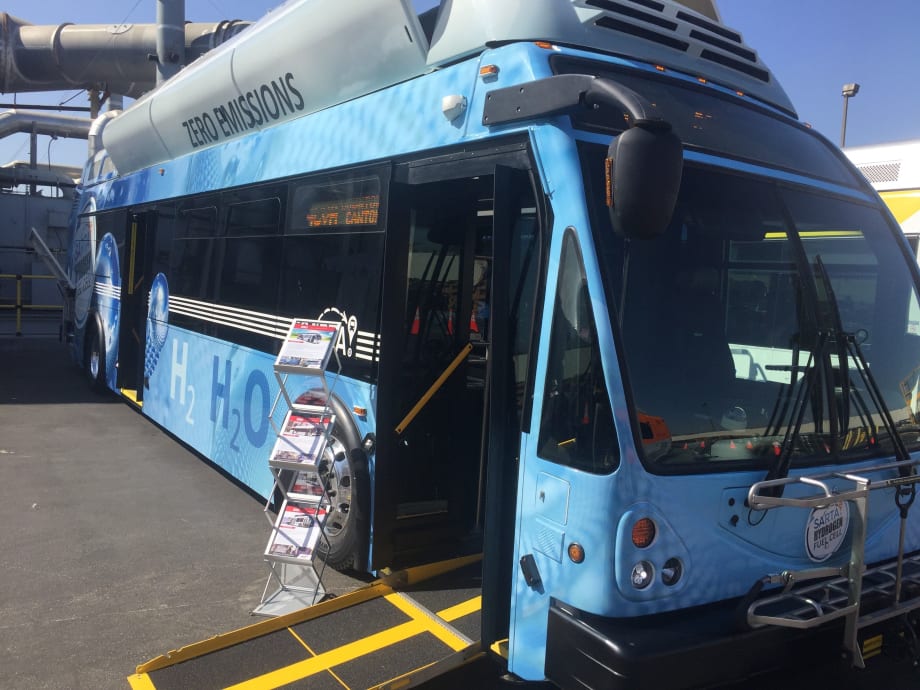
The latest Axess FC, a hydrogen fuel-cell bus, which is otherwise known as “Battery Dominant Fuel Cell Bus,” offers an innovative alternative fuel solution relying on compressed hydrogen to power.
ENC
The latest Axess FC, a hydrogen fuel-cell bus, which is otherwise known as “Battery Dominant Fuel Cell Bus,” offers an innovative alternative fuel solution relying on compressed hydrogen to power.
ENC
ElDorado National-California (ENC), a subsidiary of REV Group, held an open house to present its zero-emission Axess FC, a fuel-cell electric bus and the first 12-year/500,000-mile Altoona-tested fuel-cell bus.
The latest Axess FC, a hydrogen fuel-cell bus, which is otherwise known as “Battery Dominant Fuel Cell Bus,” offers an innovative alternative-fuel solution relying on compressed hydrogen to power. Electric fuel cells produce electricity, and that energy is stored in Hydrogen tanks. The resulting energy storage is twice that of a battery-electric bus. It has increased range, extending beyond 300 miles, and a faster fueling time, which means no major disruption to the bus facility.
Each zero-emission bus, over a 12-year period, can eliminate 1,690 tons of carbon dioxide, 10 tons of nitrogen oxide, and 350 pounds of diesel particulate matter.
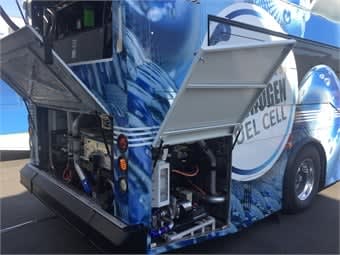
ElDorado National-California has been working with fuel-cell technology for over 10 years and delivered its first fuel-cell bus back in 2014.
ENC
ENC is already partnering with SunLine Transit Agency in Palm Desert, Calif.; SARTA in Stark County, Ohio; OCTA and UC in Irvine, Calif.; as well as an FTA Demonstration Project in Flint, Mich. and Boston’s MBTA at Harvard University.
ElDorado National-California has been working with fuel-cell technology for over 10 years and delivered its first fuel-cell bus back in 2014.
More Zero Emissions
Ohio’s METRO RTA Turns Electric Buses into Mobile Power Sources at PorchROKR
See how three Gillig battery-electric buses powered festival stages while the agency’s new Park & Ride service carried approximately 1,000 attendees, demonstrating another potential use for transit agencies’ electric fleets.
Read More →
CALSTART and Forth Combine to Form Catalyst Mobility
The new name represents a renewed vision for the nonprofit focused on advancing clean, equitable, and affordable transportation solutions that move people and goods.
Read More →
Building a Flexible Path to Transit Electrification
John Hroncich discusses BAE Systems’ modular and scalable approach, lessons learned from decades of real-world operations, and how agencies can identify electrification strategies that fit their fleets.
Read More →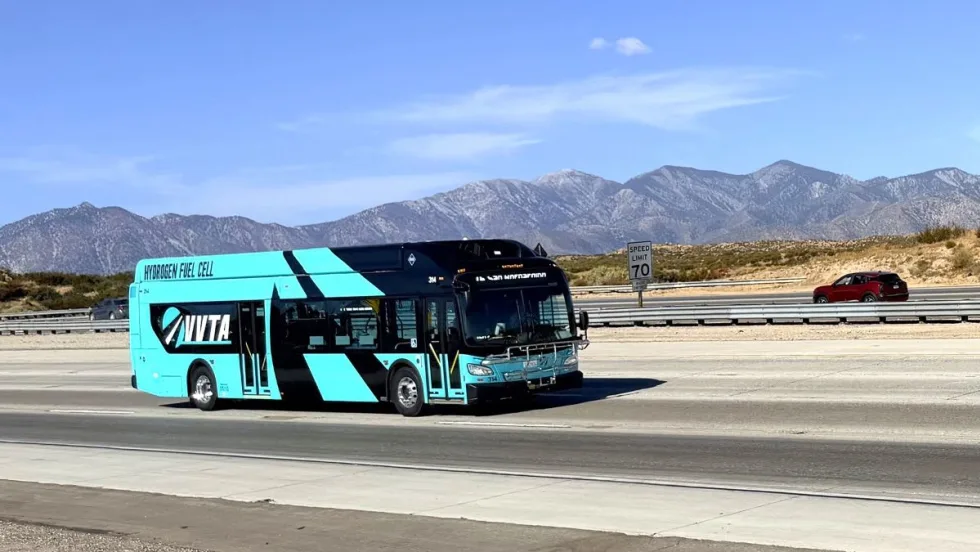
California's VVTA Begins Phased Rollout of Hydrogen Fuel Cell Buses
The agency is introducing 13 zero-emission buses into revenue service while evaluating performance across its urban, rural, and long-distance routes.
Read More →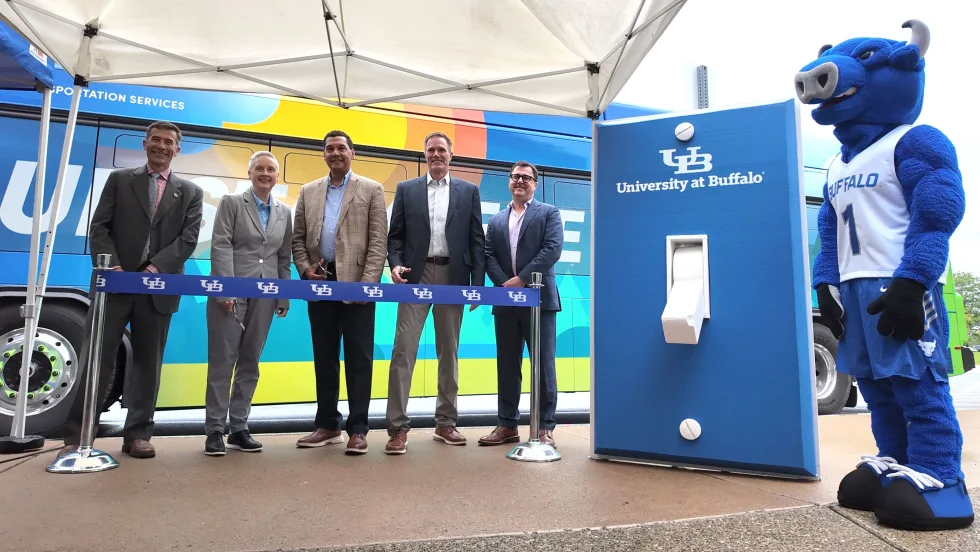
Inside Look: University at Buffalo Puts First 8 Electric Buses Into Stampede Service
UB, transportation solutions provider WeDriveU, and fleet electrification specialist Zenobē marked the deployment in the presence of students, university administrators, and local officials.
Read More →
Biz Briefs: OCTA Taps Clean Energy for Hydrogen Station, Stadler to Supply Via Rail Vehicles, and More
From manufacturers and suppliers to transit agencies and motorcoach operators, these updates offer a snapshot of the projects, partnerships and business moves driving the industry forward.
Read More →
AC Transit’s Cecil Blandon on Building the Next Generation of Transit Maintenance Leaders
The agency’s maintenance chief discusses leadership, workforce development, zero-emission technology, and preparing technicians for the future of public transportation.
Read More →
CTDOT Taps STV for Electric Bus Facility Design
The firm will work with CTDOT and RVT to define the facility layout, operational requirements, and long-term flexibility for RVT’s growing electric fleet.
Read More →
Chicago’s Pace Deploys 24 Hybrid-Electric Buses in Will County
The new buses reduce emissions and fuel consumption while advancing the agency's long-term goal of transitioning to a fully zero-emission fleet.
Read More →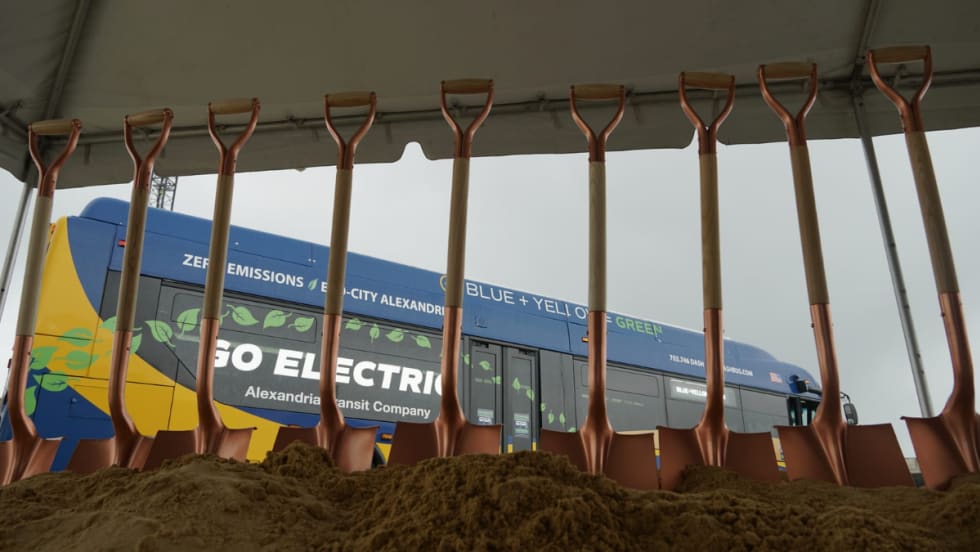
DASH Breaks Ground on First On-Route Electric Bus Chargers in D.C. Region
The fast-charging infrastructure will help extend electric bus range, improve fleet utilization, and support DASH's goal of transitioning to a fully zero-emission fleet.
Read More →