



BYD, industry urge Calif. to accelerate zero-emission vehicle transition
Executives from Calif. companies building electric trucks, buses, and powertrains, as well as global manufacturers signed letter to Gov.

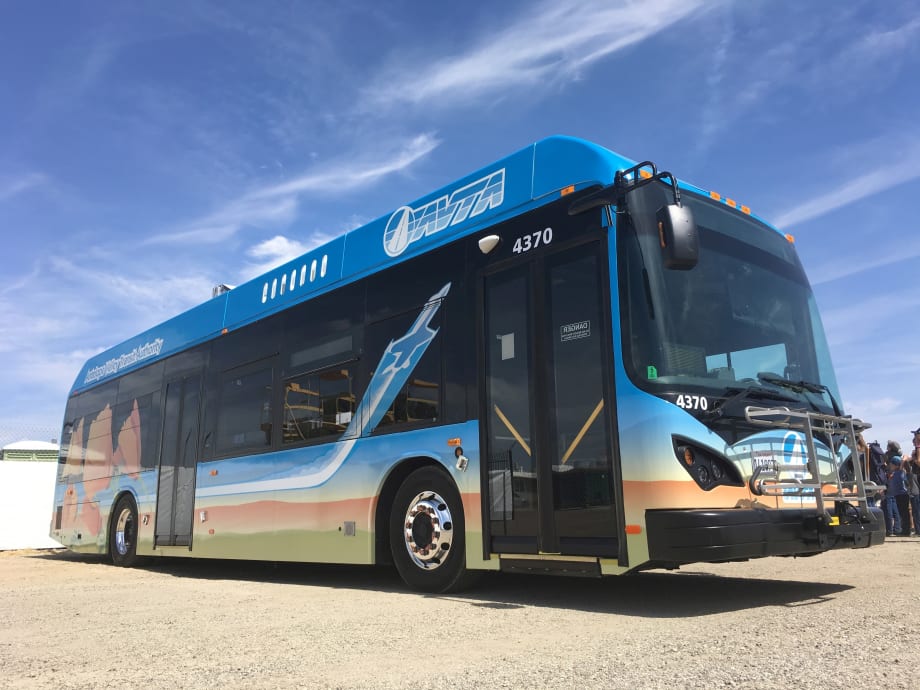
In a letter to Gov. Newsom, the executives say California has not kept up with the demand for zero-emission vehicles.
BYD
In a letter to Gov. Newsom, the executives say California has not kept up with the demand for zero-emission vehicles.
BYD
BYD North America President Stella Li joined 10 other executives in the U.S. commercial industry in calling on California Gov. Gavin Newsom to commit to a multi-year investment strategy that accelerates the adoption of zero-emission medium- and heavy-duty vehicles.
In their letter to Newsom, the executives say California has not kept up with the demand for zero-emission vehicles, noting that the 2019 vouchers for medium-and heavy-duty vehicles (M-HDV) and off-road equipment ran out mid-year and the vouchers for 2020 are already reserved.
Meeting the demand for such vehicles requires at least $2.9 billion over the next five years, the letter notes. That funding level would put nearly 25,000 zero-emission vehicles on the road by 2025 and enable 5,000 vouchers for zero-emission freight and goods movement equipment.
“We write to urge you to cement your commitment to the cleanest transportation future possible and to the investments that will benefit all Californians,” the letter said. “An aggressive strategy will spur new manufacturing and jobs, improve public health, and take California’s longstanding climate legacy to the next level.”
Li and the other executives are asking for a minimum allocation of 13.5% of the total Greenhouse Gas Reduction Fund for fiscal years 2020-2021 and through 2025-2026 for medium-and heavy-duty vehicles and off-road equipment.
“To date, we observe that the state’s GHG reduction commitments have not been backed up with a commitment to the type of consistent, reliable funding needed to transform the complex commercial vehicle sector,” the letter said. “Now is a critical time to maintain and increase the pace of investment.”
The federal government does not provide incentive funding for zero-emission trucks. As a result, most zero-emission trucks are being deployed in California. BYD has deployed over 100 zero-emission heavy-duty trucks, mostly in California.
Other executives signing the letter include CEOs from California companies building electric trucks, buses, and powertrains, as well as global manufacturers.
More Zero Emissions

Caltrain’s Electrification Drives a New Era of Ridership Growth
The railroad’s shift to electric service has brought more frequent trains, stronger customer satisfaction, and increased ridership, earning it APTA’s Outstanding Public Transportation System award.
Read More →
Building a Flexible Path to Transit Electrification with BAE's John Hroncich
John Hroncich discusses BAE Systems’ modular and scalable approach, lessons learned from decades of real-world operations, and how agencies can identify electrification strategies that fit their fleets.
Read More →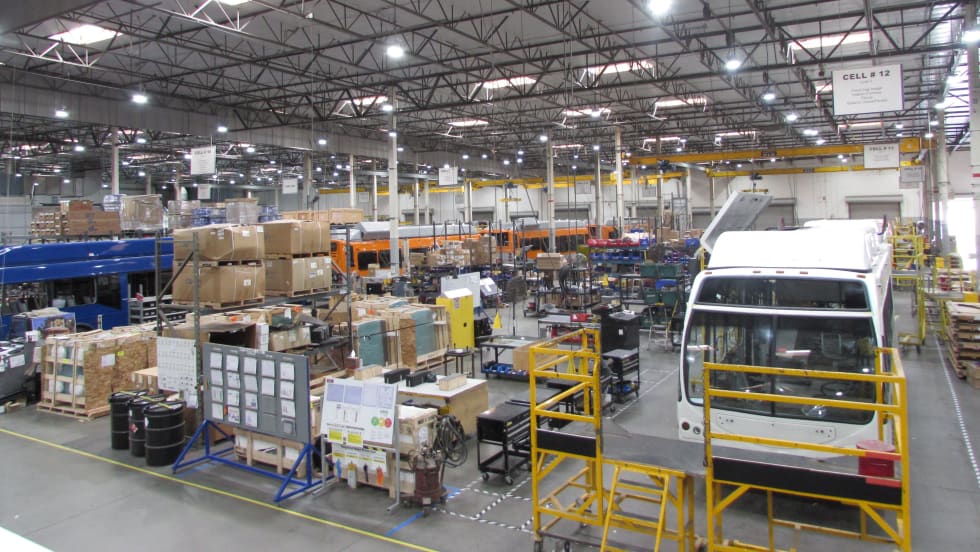
LA Metro Board Awards 220 Battery-Electric Bus Contract to ENC
The contract, which is the largest base award of battery-electric buses by a U.S. transit agency, will be built in Southern California, sustaining good jobs as LA prepares to welcome the world in 2028
Read More →
Public Transit Conference Returning to GFX in 2027, Call for Papers Now Open
The Call for Papers is now open, allowing transit agency professionals and industry experts to help shape the PTC educational program by submitting session ideas for consideration.
Read More →
Report: Transit Bus Manufacturing Supports 34,100 Jobs, $5.1B in GDP
The “Buses Mean Business” report examines the transit bus manufacturing industry’s economic footprint, supply chain, and rising demand for vehicle replacements.
Read More →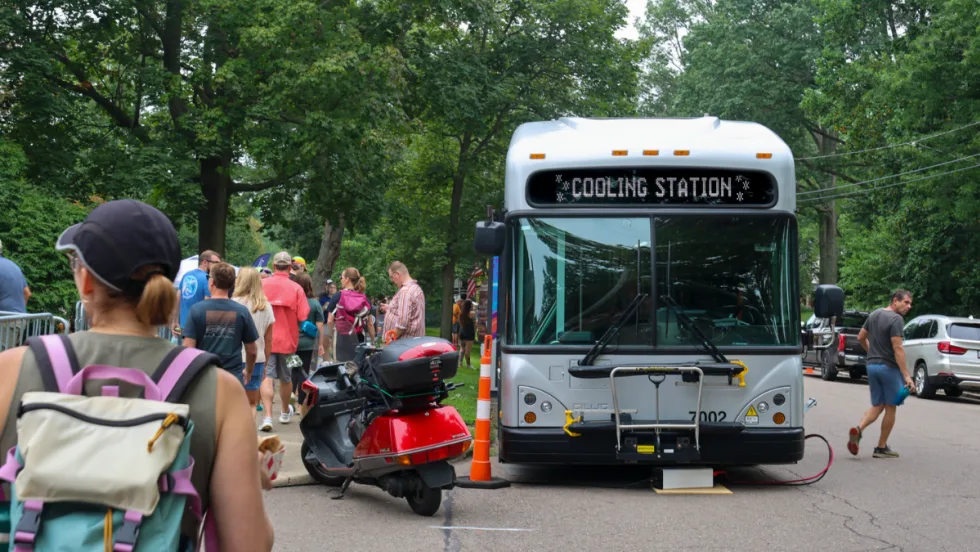
Ohio’s METRO RTA Turns Electric Buses into Mobile Power Sources at PorchROKR
See how three Gillig battery-electric buses powered festival stages while the agency’s new Park & Ride service carried approximately 1,000 attendees, demonstrating another potential use for transit agencies’ electric fleets.
Read More →
CALSTART and Forth Combine to Form Catalyst Mobility
The new name represents a renewed vision for the nonprofit focused on advancing clean, equitable, and affordable transportation solutions that move people and goods.
Read More →
Building a Flexible Path to Transit Electrification
John Hroncich discusses BAE Systems’ modular and scalable approach, lessons learned from decades of real-world operations, and how agencies can identify electrification strategies that fit their fleets.
Read More →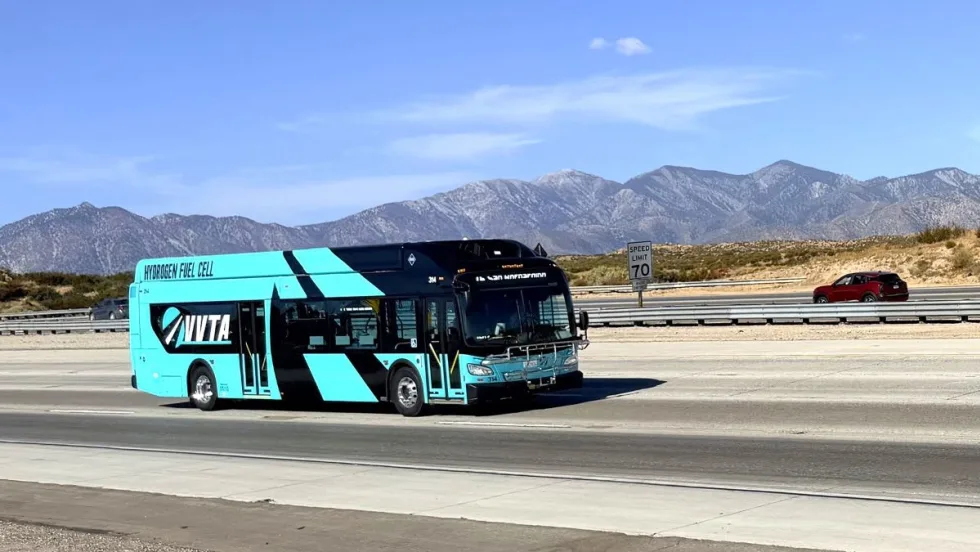
California's VVTA Begins Phased Rollout of Hydrogen Fuel Cell Buses
The agency is introducing 13 zero-emission buses into revenue service while evaluating performance across its urban, rural, and long-distance routes.
Read More →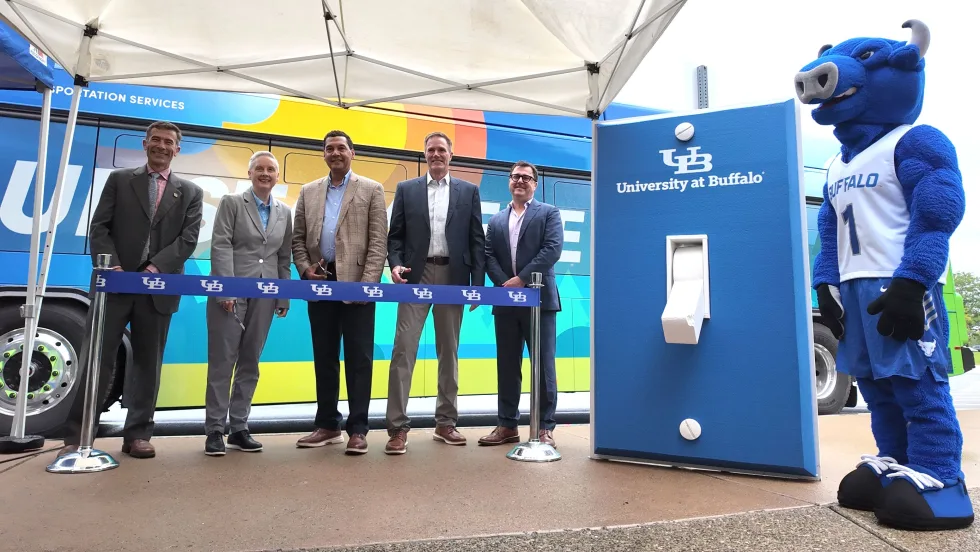
Inside Look: University at Buffalo Puts First 8 Electric Buses Into Stampede Service
UB, transportation solutions provider WeDriveU, and fleet electrification specialist Zenobē marked the deployment in the presence of students, university administrators, and local officials.
Read More →